








News
Fabric Ducts: A Smarter Way to Move Air in South African Conditions
Air distribution plays a bigger role in building performance than most people realise. The system chosen affects energy use, air quality and comfort for years to come. Across South Africa, more engineers and facility managers are moving away from traditional galvanised steel ductwork and turning to fabric duct systems instead.
Why Fabric Ducts Outperform Traditional Systems
Traditional metal ductwork has served the HVAC industry for decades, but it comes with real limitations. A steel duct system is heavy, costly to install and prone to corrosion over time. It also requires insulation and regular cleaning to prevent dust and bacteria build-up inside the duct.
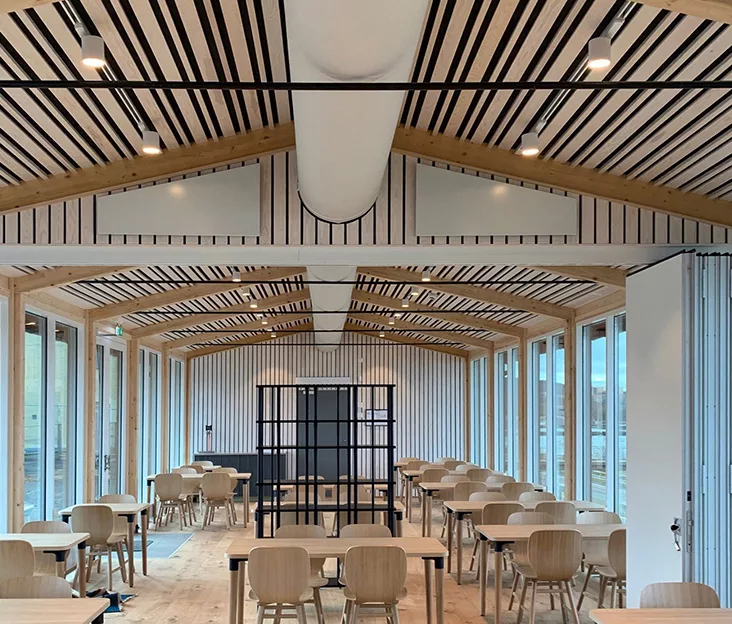
Fabric ducts solve many of these problems. Made from engineered textiles, they distribute air evenly along their length through calibrated permeability and diffusion nozzles. This reduces temperature stratification and eliminates the cold or hot spots common in metal systems.
A fabric duct system also weighs a fraction of its steel equivalent, which lowers installation costs and structural load. Cleaning is simple: most fabrics can be machine washed or wiped down, without the need for specialised access panels. For industries where hygiene matters, such as food production or pharmaceuticals, this makes a measurable difference.
Built for South African Conditions
South Africa’s climate varies widely, from the humid coast of KwaZulu-Natal to the dry heat of the Karoo and the cold winters of the Highveld. Buildings need ventilation systems that can adapt to these swings without losing efficiency.
Fabric ducts handle this well. Their lightweight construction suits large industrial and agricultural spaces, including warehouses, poultry houses and dairy barns, where long duct runs are common. In warmer regions, fabric ducts help distribute cool air evenly across wide floor areas, reducing the strain on cooling systems. In colder areas, they support even heat distribution without the condensation issues that metal ducts often develop.
Local industries such as mining, food processing and agriculture also benefit from the corrosion resistance of fabric ducting. Unlike steel, fabric does not rust in humid or chemically aggressive environments, which extends system lifespan and reduces maintenance costs over time.
FabricAir South Africa
FabricAir is a global company with 17 subsidiaries, serving more than 120 markets around the world. Backed by over 50 years of experience, our local team has worked with South African customers since 2014. Then, in 2022, Environmental Ducting Solutions (EDS) became FabricAir.
Under the leadership of Dave Mitchell, Country Manager of FabricAir South Africa, the company continues to bring the same service customers know and trust.
“FabricAir prides itself on being close to our customers and knowing their needs,” says Brian Refsgaard, CEO at FabricAir. The South African subsidiary was the 9th opened by FabricAir in the past decade, a reflection of the company’s core value: staying close to its clients.
Receive valuable content first
Enter your email and be among the first to get tips and articles from our experts about HVAC industry topics.