








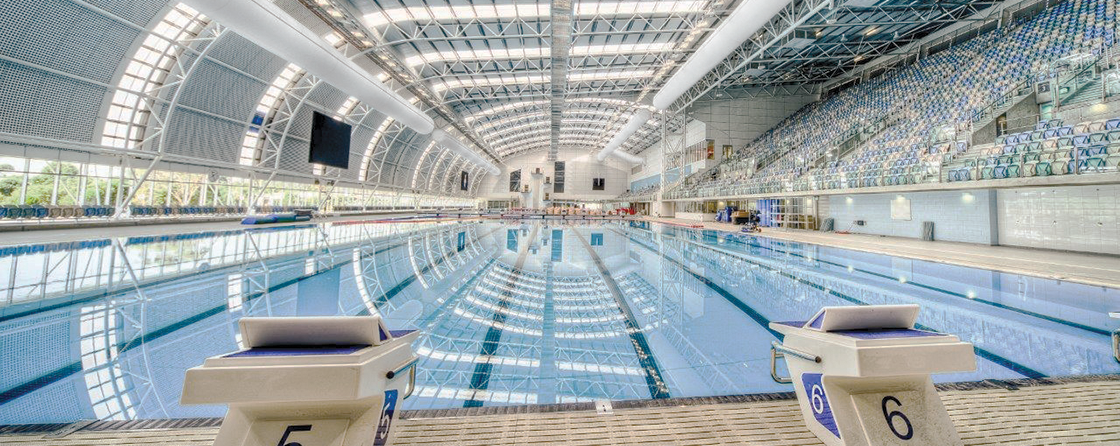
Solving natatorium air dispersion and condensation challenges


This article explains how fabric air ducting delivers superior performance in natatoriums, where humidity, chloramines, and condensation create extreme challenges for traditional metal systems. You will learn how fabric ducts prevent corrosion by allowing controlled air permeability, ensuring moisture cannot accumulate on surfaces. The piece also highlights design features such as integrated linear vents that distribute dry, conditioned air evenly across walls, ceilings, and windows to stop condensation and maintain indoor air quality. Additionally, it covers crucial safety benefits, including UL-2518-classified materials and optional antimicrobial treatments. By the end, you will understand why fabric air duct solutions offer longer lifespan, faster installation, lower total cost, and healthier environments compared to metal systems in indoor pool facilities.
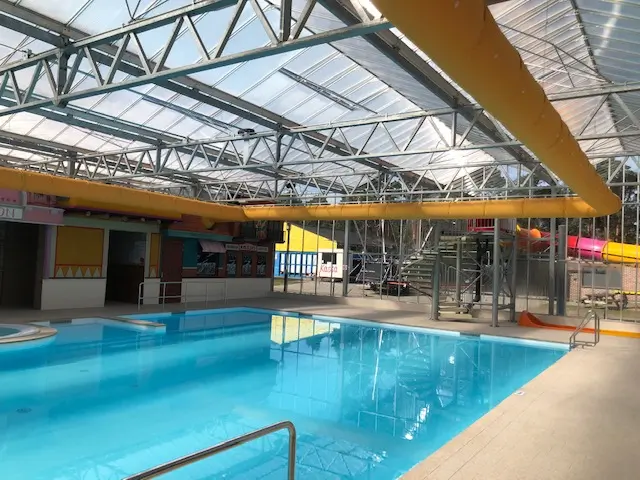
Indoor pools are challenging environments for design engineers, especially when considering indoor air quality and the longevity of exposed metal components. A natatorium’s corrosion-potential environment of high humidity, gaseous pool chemicals, and condensation is a recipe for disaster for metal heating, ventilation, and air conditioning ductwork. The toxic mix slowly disintegrates metal air distribution systems in natatoriums.

Billy Farr
Engineering Sales Manager, North America
USA
The condensation that forms on metal ducts and other metallic materials expedites the disintegration.
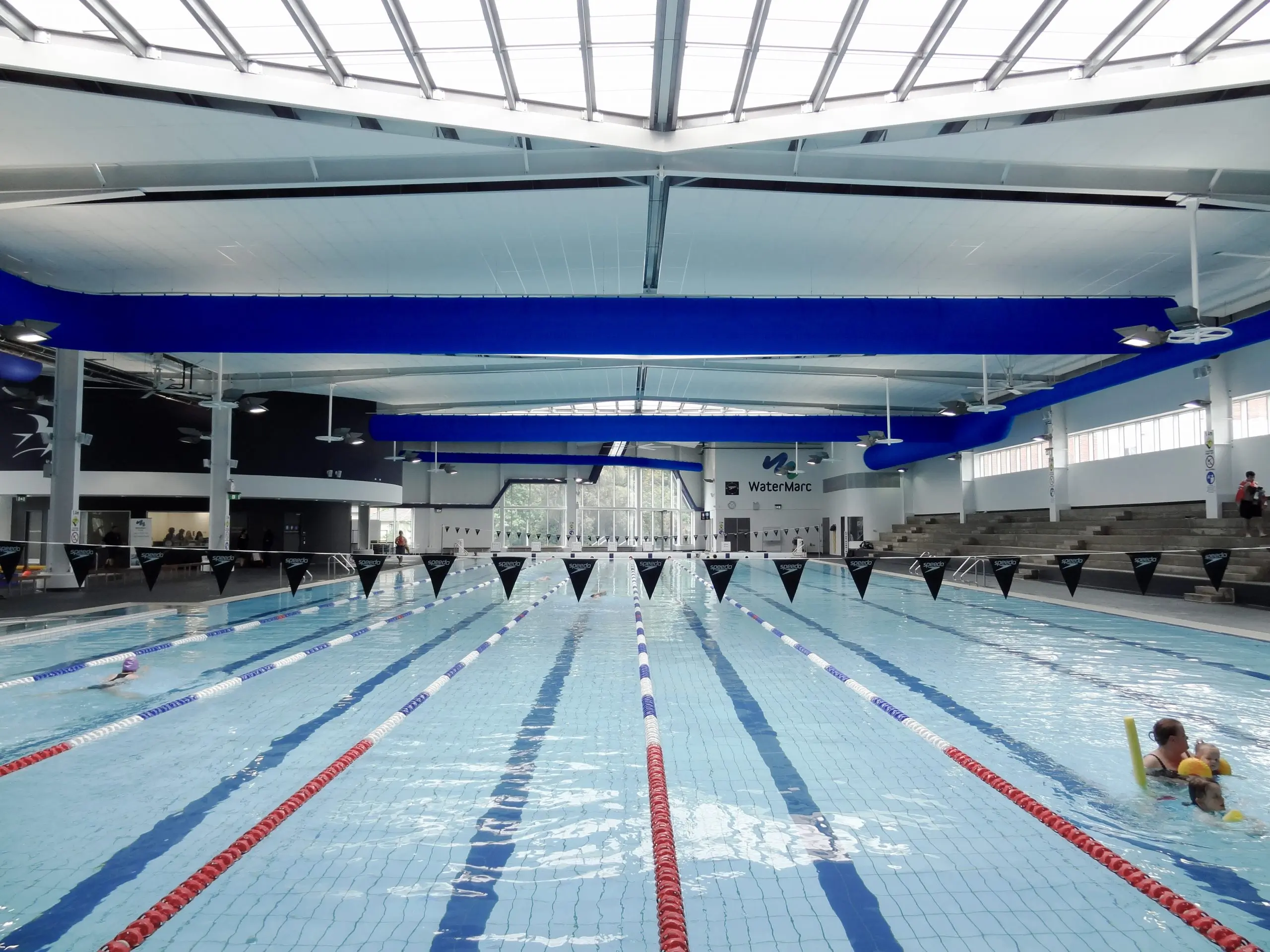
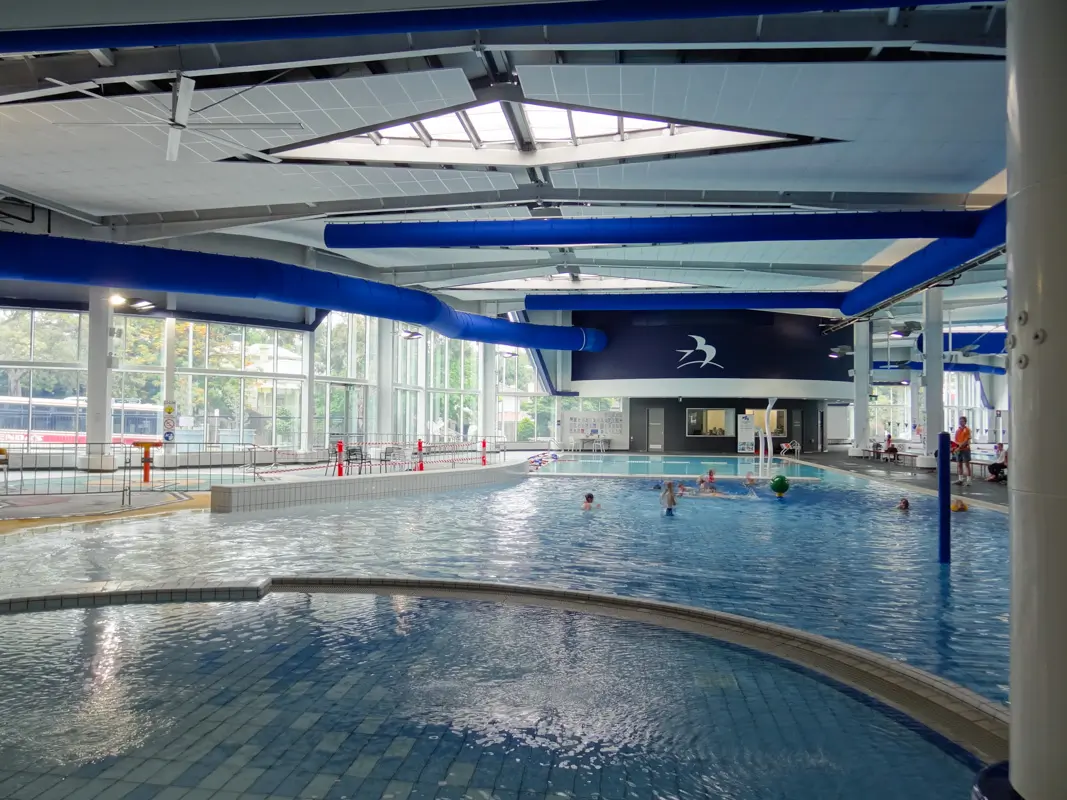
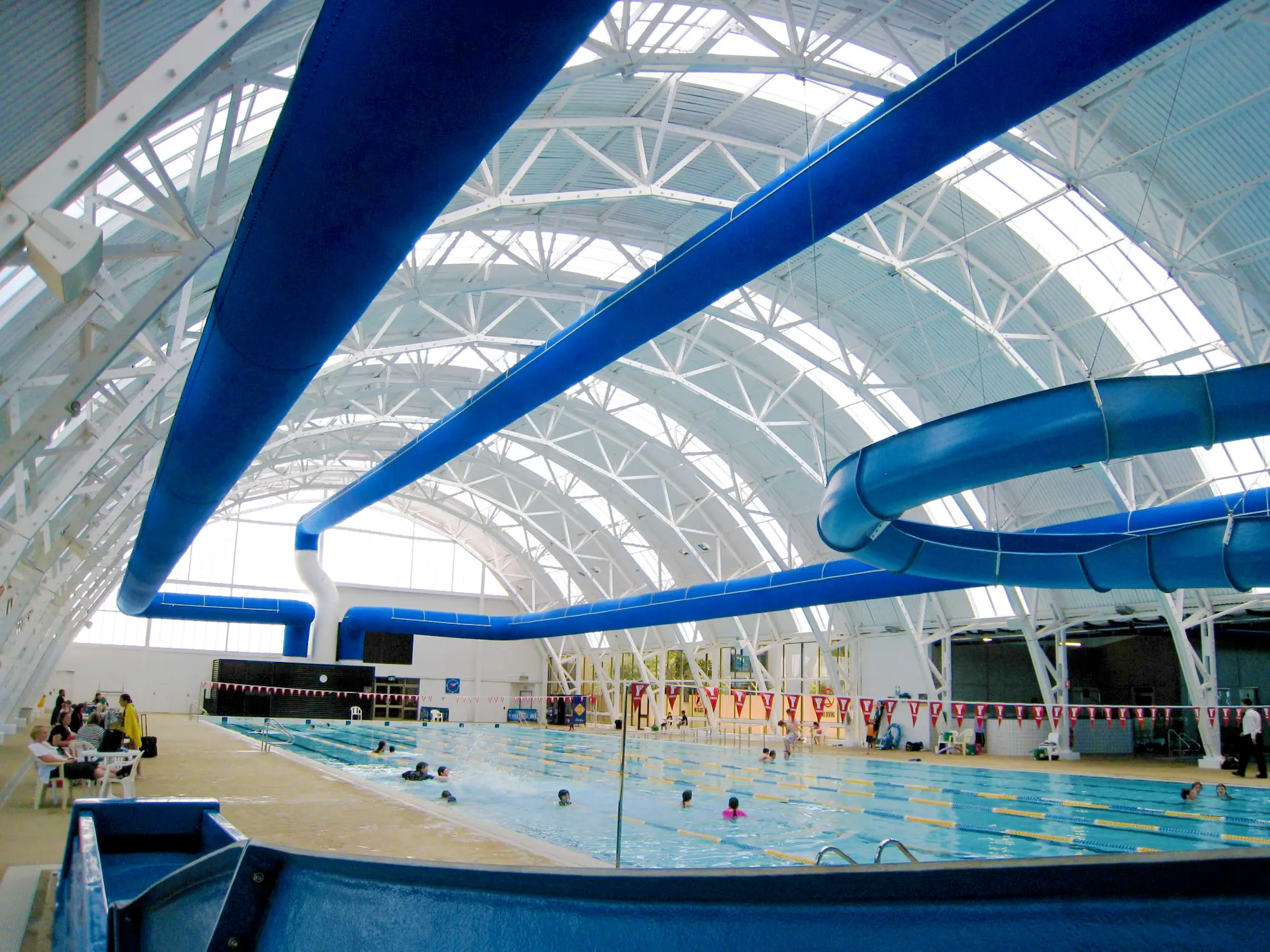
Unlike metal, the fabric doesn’t allow condensation to form because of the properties inherent in its technology. Fabric air duct can be specified as permeable, which allows air to pass through the fabric weave. This airflow through the entire duct surface prevents condensation on the material. The fabric air duct also does not require special coatings to protect against corrosion or rust. The polyester fabric used in natatoriums should be UL-2518 classified, which among other qualities ensures that the fabric does not propagate biological growth. Fabric air ducts also can be specified with additional antimicrobial treatment for extra protection against mold and other microbial growths.
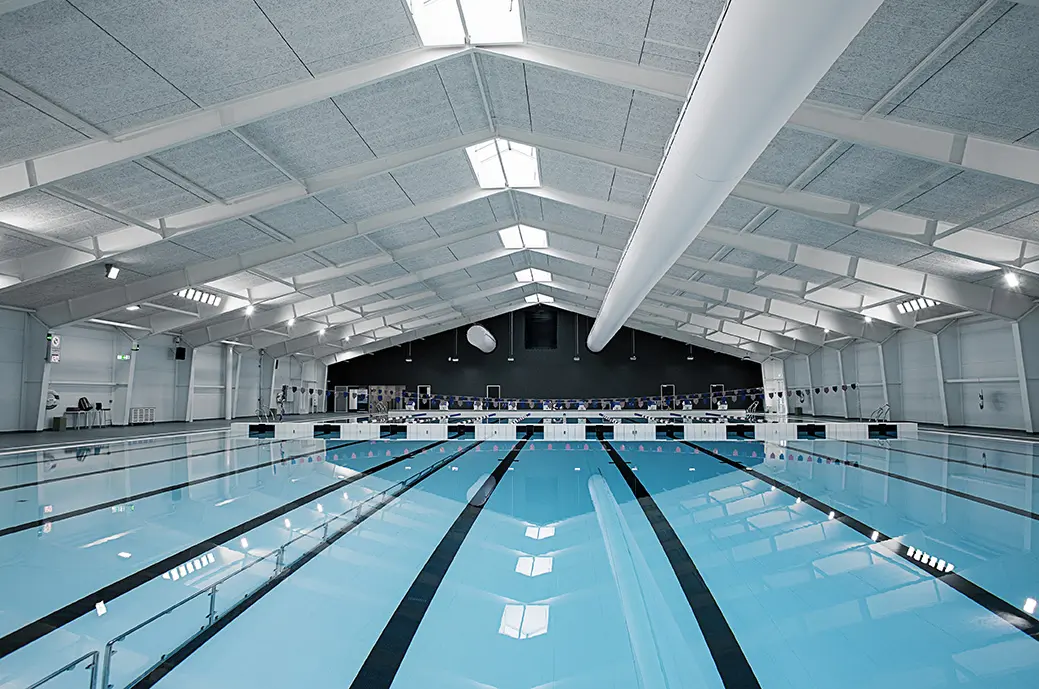
Fabric can outperform metal diffusers in air dispersion performance because the fabric air duct’s construction is unique in that it incorporates a variety of factory-designed, integrated vents or nozzles that span the duct length in a linear fashion and are specified at no extra charge. The linear design allows for uniform dispersion of the mechanical system’s dry, conditioned air across windows, ceilings, and walls to prevent condensation.
Fabric air duct is manufactured with multiple linear vents and orifice diameters engineered to provide desired throws specified by the consulting engineer. For example, a duct run with the wall on the right side might have the following linear vent configuration and percentage of distribution: 10 o’clock for the ceiling (30%); 2 o’clock and 5 o’clock for the upper and lower wall or windows (60% combined); and the 7:30 mark for the pool surface (10%). Each vent is designed to achieve the desired throws.
Metal is often misconceived as less expensive than fabric. However, in the end, the required extras drive up the price of the metal. Fabric air duct is designed as a complete system with all the extras, such as suspension hardware and dispersion vents. Metal ducts rarely are priced to include the required extras.
Finally, Fabric air duct installs 40-70% faster than metal, reducing labor costs that can shave weeks off the ductwork installation, allowing other trades to complete their work sooner.
Additional Information


FAQ
Metal ductwork in natatoriums is exposed to constant humidity and chloramine off-gassing from pool chemicals, which accelerates corrosion and allows condensation to form on cold duct surfaces — a cycle that shortens the system’s service life and creates ongoing maintenance costs.
Related terms: swimming pool ventilation systems, chloramine exposure, corrosion, condensation, natatorium HVAC
Fabric air ducting uses controlled air permeability to keep the duct surface warm enough that moisture can’t accumulate, and integrated linear vents distribute dry, conditioned air evenly across walls, ceilings, and windows — the surfaces where condensation typically forms first in a pool ventilation system.
Related terms: pool ventilation systems, air permeability, linear vents, condensation prevention, swimming pool ventilation
Yes — natatorium-grade fabric duct systems use UL-2518-classified materials, which matters in a public facility where fire safety and material certification are non-negotiable, not just a comfort or corrosion consideration.
Related terms: UL-2518 classification, material safety, natatorium HVAC, public facility compliance, swimming pool ventilation systems
Even air distribution across the pool hall prevents the stagnant, humid pockets where mold and bacteria can grow, directly supporting the indoor air quality standards indoor pool facilities are expected to maintain for swimmers and staff.
Related terms: indoor air quality, natatorium, mold prevention, even air distribution, pool ventilation systems
Read more in FabricAir’s Why Fabric Ducts Outperform Metal in Harsh Environments.
Get valuable content first
Enter your email and be among the first to get tips and articles from our experts about HVAC industry topics.