








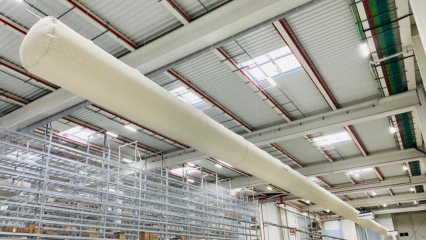
Air Socks: The Future of Flexible, Efficient, and Hygienic HVAC


The demand for smarter, cleaner, and more adaptable HVAC solutions is on the rise. As architects and engineers seek ways to boost energy efficiency, enhance indoor air quality, and simplify maintenance, one technology is quietly making waves: air socks – also known as fabric air duct, duct socks (duct sox) or textile-based air dispersion systems.
With the air duct market valued at $13.9 billion in 2021 and projected to reach $22.7 billion by 2031, there’s clearly growing demand for efficient, flexible HVAC solutions. This market is specifically projected to be worth $3.5 billion by 2032, a growth rate that significantly outpaces traditional ducting systems.
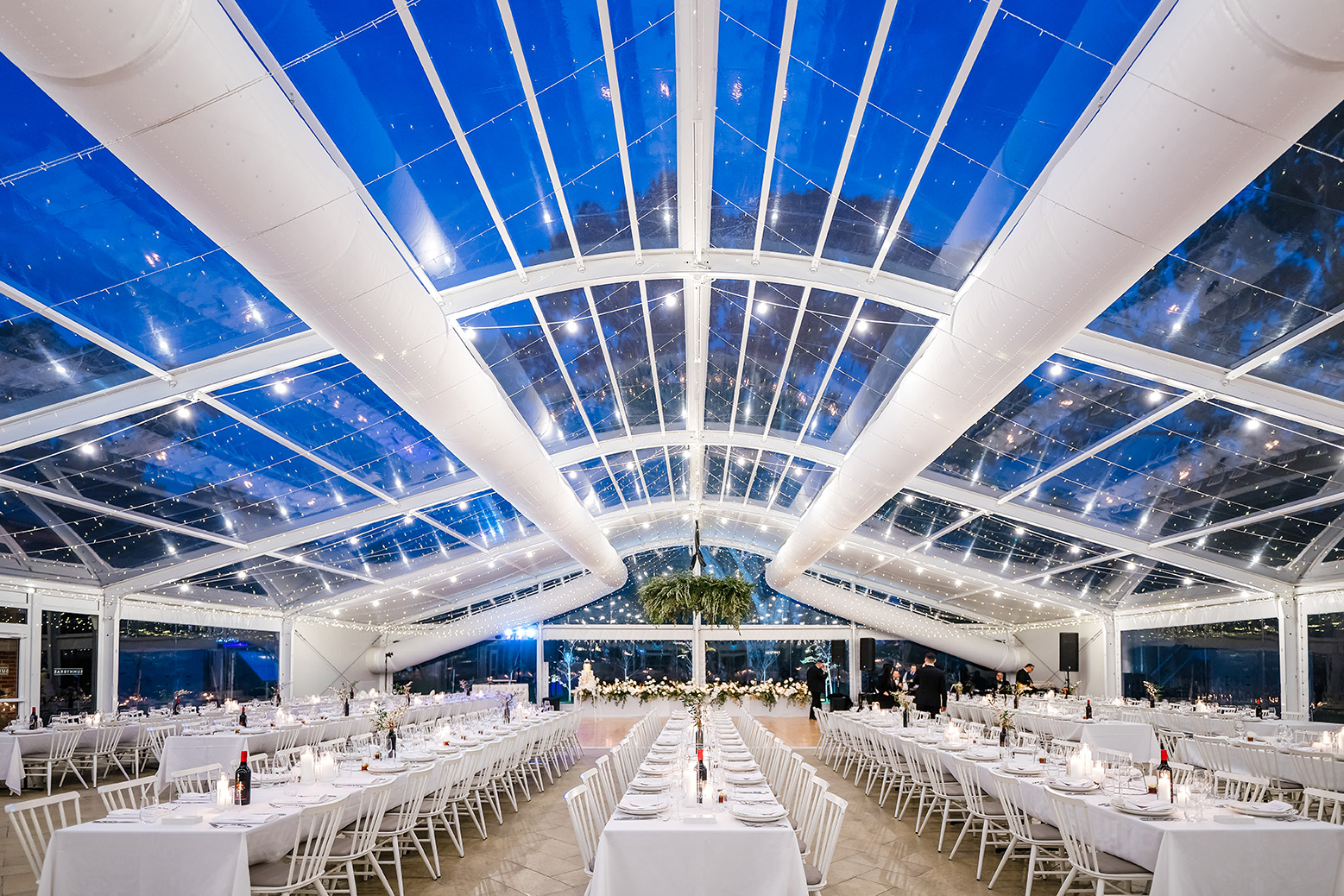
What are air socks, and why are they gaining popularity with HVAC engineers and contractors worldwide?
Air socks are ducts designed to distribute conditioned air evenly and draft-free throughout a space, serving as an alternative to traditional metal ductwork. Unlike rigid ducts, they are made from technical textiles either permeable or non-permeable – that can be engineered for different airflow patterns. Air is dispersed through the fabric itself, via micro-perforations, larger directional holes, and sometimes nozzles, allowing for precise control over how and where air enters the room.
A typical system includes:
- Fabric selection based on permeability, hygiene, and fire safety requirements
- Customized airflow models (surface, directional, or a mix)
- Duct profile/ shape (round, half-round, quarter-round, oval, or rectangle)
- A suspension system (rails or cables)
How Do Air Socks Compare to Traditional Systems?
The differences between go far beyond just materials. Let’s break down the key contrasts:
- Installation and Structure: While metal ducts require extensive support systems, insulation, and complex joinery, this modern alternative is lightweight and typically suspended from simple cable or rail systems. Installation time can be reduced by 30-70% compared to traditional systems, translating to significant labor cost savings.
- Air Dispersion: Traditional ducts with standard diffusers often create drafts and uneven temperature zones. Modern systems can provide 360-degree air distribution through permeable surfaces or precision-engineered openings, virtually eliminating hot and cold spots and draft complaints.
- Maintenance: When cleaning is needed, simply remove the ducts and toss them in an industrial washing machine. Compare this to the complex process of cleaning metal, which often requires specialized equipment and extensive labor. Complex cleaning processes can impact production resulting in expensive downtime in some applications.
- Lifecycle Considerations: While metal ducts may seem more durable, they’re susceptible to corrosion, denting, and damage that can be costly to repair and maintain. Quality fabrics, when properly maintained, can last for decades.
- Acoustics: With minimal pressure drops and turbulence, fabric ducting maximizes HVAC system efficiency while also reducing noise transmission – a significant advantage in noise-sensitive environments.
Installation and Maintenance
The installation process for fabric systems represents a significant improvement over traditional ductwork in terms of speed, simplicity, and cost-effectiveness. Recent data confirms that installation times for fabric can be 30% to 50% shorter than for comparable metal systems, with some projects completed in a single day that might require several days with traditional systems.
Proper preparation forms the foundation of a successful installation. The process begins with identifying the appropriate suspension system based on project specifications and architectural requirements. Marking centerlines using chalk lines or lasers ensures straight installation, particularly critical when using T-Rail suspension systems. This precision prevents alignment issues that could compromise system performance.
Mounting the suspension system requires careful attention to structural requirements and load distribution. T-Rail systems mount along marked centerlines on ceilings, providing robust support for weight and operational stresses. Cable suspension involves securing eyebolts into walls or ceilings, ideally into structural studs, then attaching cables to tensioners for proper alignment and support.
The hanging process follows a systematic approach starting from the air handler side. Mounting straps, clips, or sliders connect the duct sections to the suspension system, whether sliding clips onto cables or locking straps onto rails. Each section connects via zippers following installation drawings to ensure correct placement of standard sections, tees, and reducers.
System commissioning involves turning on the air handler to verify even airflow and check for operational issues. This testing phase identifies any problems with suspension or airflow that require correction before system acceptance.
Maintenance requirements for modern systems emphasize simplicity and cost-effectiveness compared to traditional ductwork. Regular inspection schedules should include checking for signs of wear, loose connections, and debris accumulation. The fabric nature of these systems makes visual inspection straightforward and comprehensive.
Cleaning represents the most significant maintenance advantage of modern technology. Most fabrics can be machine-washed following manufacturer specifications for removal, cleaning, and reinstallation. This capability ensures superior indoor air quality while controlling maintenance costs.
Engineered for Any Application
The versatility of fabric has enabled widespread adoption across diverse industries and applications. The HVAC sector is the largest adopter of fabric ducting, driven by demand for efficient airflow, reduced energy consumption, and improved indoor air quality. This broad acceptance reflects the superior performance characteristics that modern duct technology delivers across multiple environments.
Commercial applications demonstrate the aesthetic and functional advantages of using fabric for HVAC systems. Corporate offices are increasingly selecting fabric for its customizable design, visual appeal, and positive impact on occupant comfort and air quality. The ability to integrate ductwork as a visible, attractive element within interior spaces provides both function and architectural value.
Industrial manufacturing environments showcase the durability and efficiency advantages of this technology. Industrial manufacturing is seeing rapid adoption thanks to benefits such as superior temperature control, cost-effectiveness, and ease of installation. The documented performance advantages include energy savings of 15-25% and installation times that are 30-50% faster than traditional systems, making fabric particularly attractive for manufacturing retrofits and new construction.
Sports and recreation facilities represent ideal applications for fabric-based solutions. Swimming pool environments particularly benefit from corrosion-resistant polyester construction and condensation prevention capabilities. The technology’s ability to maintain consistent environmental conditions while resisting humidity-related deterioration makes it superior to metal alternatives in these challenging applications.
Healthcare and pharmaceutical environments demand the highest standards for air quality and contamination control. Major end-users include the food & beverage and pharmaceutical industries, where fabric is selected for its hygienic, easily cleaned, and mold-resistant properties. These sectors benefit from antimicrobial fabric options and the ability to completely remove and sanitize ductwork components, supporting strict contamination control protocols.
Agricultural applications, particularly indoor farming and greenhouses, rely on precise environmental control for optimal plant growth. The technology’s ability to eliminate microclimates and provide uniform airflow directly impacts crop yield and quality, with documented improvements in production consistency and reduced energy consumption.
Data centers and educational institutions represent growing application areas where precision cooling and indoor air quality drive fabric ducting adoption. Other sectors with notable adoption include healthcare, data centers, and educational institutions, reflecting the technology’s ability to address diverse environmental control challenges while providing cost-effective solutions.
How to Specify Air Socks in Your Projects
- Assess Airflow Needs: Determine the required air volume and distribution patterns.
- Consider Space Constraints: Evaluate ceiling heights and architectural features.
- Select Appropriate Fabrics: Choose materials based on permeability, antimicrobial properties, and aesthetics.
- Design Suspension Systems: Opt for cable or rail systems suited to the space.
- Utilize Design Tools: Leverage platforms like FabricAir PRO for accurate specifications.
- Ensure Compliance: Verify adherence to fire safety, hygiene, and indoor air quality standards.
- Collaborate with Stakeholders: Engage engineers, contractors, and architects early in the design process.
The Future of Air Distribution
For more than 50 years, fabric ducts have proven to be a versatile, innovative solution in the HVAC industry, offering significant benefits in efficiency, aesthetics, and sustainability. As the industry continues to prioritize energy efficiency, indoor air quality, and installation flexibility, this modern solution represents a proven technology that addresses modern HVAC challenges.
The combination of improved comfort, reduced installation costs, enhanced hygiene capabilities, and aesthetic flexibility makes fabric a smart alternative for many HVAC applications. With HVAC systems responsible for an average of 30-40% of building energy consumption, solutions that improve efficiency while reducing costs deserve serious consideration.
For HVAC designers looking to stay ahead of industry trends, this solution offers a proven technology that’s still innovating. Whether you’re designing a new facility or upgrading an existing system, fabric deserves a place in your toolkit.
The future of HVAC isn’t just about smart controls and high-efficiency equipment – sometimes it’s about rethinking the basics and embracing solutions that have been quietly revolutionizing air distribution for decades.
Fabric offers a modern, efficient alternative to traditional solutions. Their benefits – ranging from uniform airflow and energy efficiency to aesthetic versatility and hygiene – make them an ideal choice for various applications. By integrating them into your designs, professionals can enhance comfort, reduce operational costs, and meet the evolving demands of indoor environments.
Additional Information
Why Fabric Ducts Outperform Metal in Harsh Environments
Achieving 40% Energy Savings with Fabric Ducts Instead of Metal
Air Socks product
The Future of Air Distribution
For more than 50 years, fabric ducts have proven to be a versatile, innovative solution in the HVAC industry, offering significant benefits in efficiency, aesthetics, and sustainability. As the industry continues to prioritize energy efficiency, indoor air quality, and installation flexibility, this modern solution represents a proven technology that addresses modern HVAC challenges.
The combination of improved comfort, reduced installation costs, enhanced hygiene capabilities, and aesthetic flexibility makes fabric a smart alternative for many HVAC applications. With HVAC systems responsible for an average of 30-40% of building energy consumption, solutions that improve efficiency while reducing costs deserve serious consideration.
FAQs about Air Socks
Air socks provide even air distribution, reduce drafts, and support better thermal comfort. They are lightweight, quick to install, machine washable, and corrosion-resistant – making them ideal for humid, hygienic, or complex environments where metal ducts may fall short.
Yes. Many air socks are made with antimicrobial, flame-retardant fabrics and comply with hygiene and safety standards. Their removable, washable nature makes them a practical choice for industries with strict cleanliness and air quality requirements.
By reducing pressure losses and optimizing air distribution, fabric air socks can help HVAC systems operate more efficiently. Studies show that systems using air socks can reduce energy use by 15–40%, depending on the application and system design.
Get valuable content first
Enter your email and be among the first to get tips and articles from our experts about HVAC industry topics.