









Duct Sox: Revolutionizing HVAC Systems with Flexibility, Efficiency, and Cleanliness


Duct sox have emerged as a game-changing solution in HVAC design, offering unmatched flexibility, energy efficiency, and hygiene compared to traditional ductwork. These fabric-based air distribution systems provide superior air delivery while simplifying installation and maintenance.
What is duct sox, and why choose them?
Duct sox, most often referred to by various names such as fabric duct, air socks, and textile air ducts, are ducts designed to distribute air evenly and draft-free throughout in any type of application and more often is used as an alternative to traditional metal ductwork. Traditional metal ducts are bulky, heavy, and prone to corrosion and air leakage, which can reduce HVAC performance and increase energy costs. In contrast, duct sox are made from durable, high-quality fabric materials that effortlessly conform to any space, enabling customized air distribution tailored to a room’s unique airflow requirements.
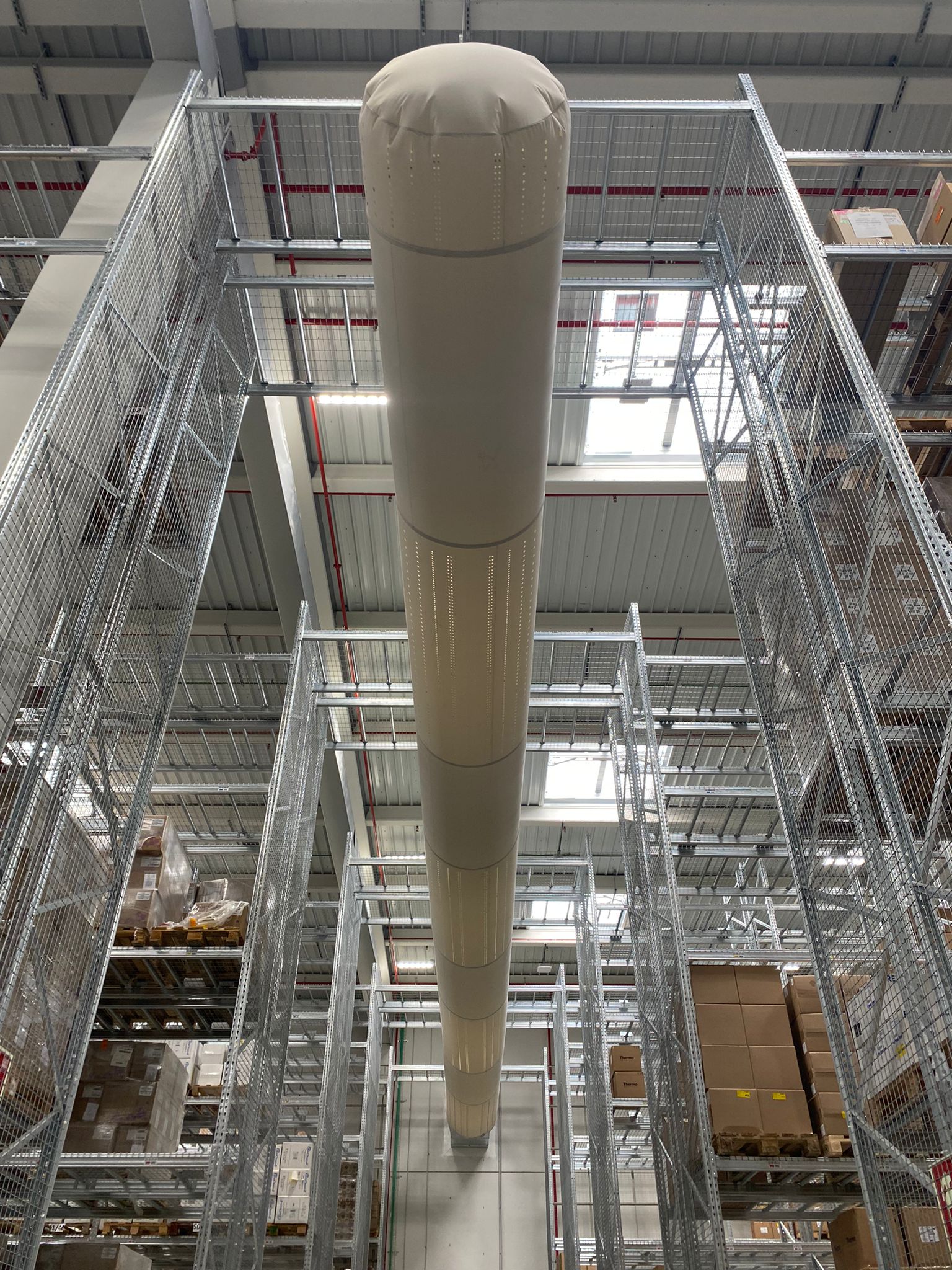
Key Advantages of Duct Sox
Flexible Design: Easily installed in tight or irregular spaces without the need for complex elbow joints or connectors, duct sox can be shaped or suspended in various configurations.
Energy Efficiency: The porous fabric surface allows even air diffusion, eliminating hot or cold spots and reducing the necessity for high fan speeds, thus lowering energy consumption.
Hygienic Operation: Unlike metal ducts that collect dust and promote microbial growth, duct sox fabrics are washable and resistant to mold, ensuring cleaner indoor air quality.
Quiet Performance: Fabric ducts absorb sound, reducing noise typically generated by traditional duct systems and enhancing occupant comfort.
Applications and Customization
Duct sox work well in commercial, industrial, and institutional settings — from offices and gyms to hospitals and cleanrooms. They are available in various colors, shapes, and sizes, with options for antimicrobial coatings or fire-retardant fabrics to meet specific regulatory requirements.
Installation and Maintenance Benefits
Installation is faster and less labor-intensive because duct sox are lightweight and require fewer connection components. Routine maintenance is simplified since the ducts can be easily removed and laundered, maintaining optimal airflow and hygiene over time.
Conclusion
Switching to duct sox transforms HVAC systems by making them more adaptable, energy-smart, and health-conscious. As demand for sustainable and occupant-friendly buildings grows, duct sox stand out as the future-ready choice for modern air distribution.
FAQs about duct sox
Duct sox provide even air distribution, reduce drafts, and support better thermal comfort. They are lightweight, quick to install, machine washable, and corrosion-resistant – making them ideal for humid, hygienic, or complex environments where metal ducts may fall short.
Yes, duct sox is made with antimicrobial, flame-retardant fabrics and comply with hygiene and safety standards. Its removable, washable nature makes them a practical choice for industries with strict cleanliness and air quality requirements.
By reducing pressure losses and optimizing air distribution, fabric duct sox can help HVAC systems operate more efficiently. Studies show that systems using fabric duct sox can reduce energy use by 15–40%, depending on the application and system design.
Get valuable content first
Enter your email and be among the first to get tips and articles from our experts about HVAC industry topics.