








Equally efficient heating and cooling modes in one system


This article explores how fabric air duct systems revolutionize HVAC efficiency by delivering both heating and cooling from a single, adaptable solution. You’ll learn how innovative designs like FabricAir’s VarioDuct use internal dampers to redirect airflow upward for cooling and downward for heating, ensuring balanced temperature distribution year-round. The article explains how this technology integrates with automated building management systems for seamless mode transitions and enhanced energy savings. It also highlights ideal applications such as offices, classrooms, and production facilities where precise temperature control and occupant comfort are critical. By the end, you’ll understand how fabric air ducts provide consistent performance, reduced energy consumption, and versatility for any season.
Overhead ductwork has long been favored for HVAC air distribution due to its convenience, aesthetic appeal, and effectiveness. However, it faces challenges in maintaining efficiency for both heating and cooling purposes, as warm air naturally rises and cool air falls. A versatile solution for various seasons and temperature transitions is needed to ensure occupant comfort throughout the year with efficient temperature control.

Billy Farr
Engineering Sales Manager, North America
USA
Designed for Cooling and Heating
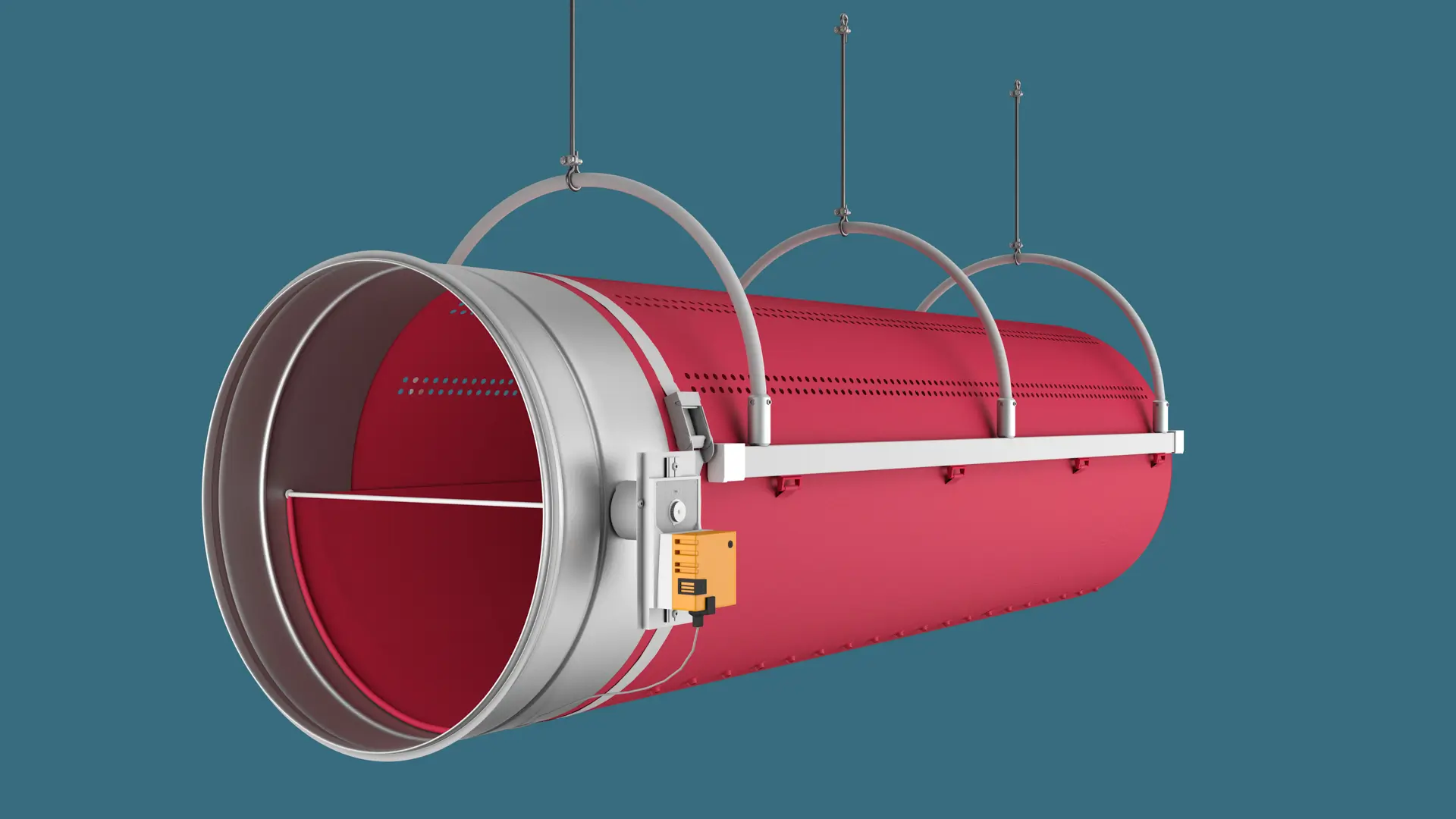
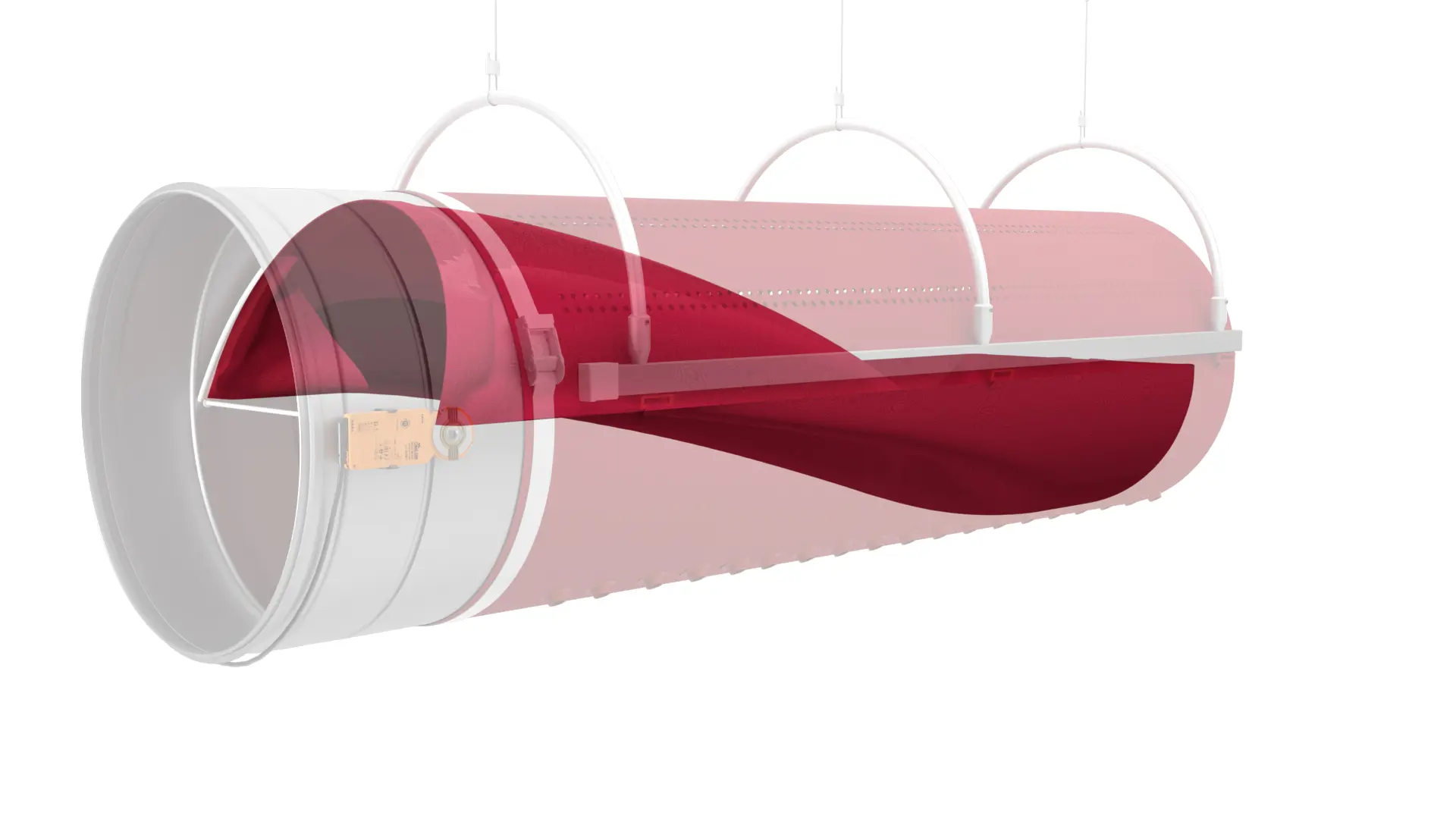
Innovative fabric-based HVAC solutions like FabricAir’s VarioDuct can address these challenges. Fabric air duct manufacturers have developed new air dispersion solutions that project air upward for cooling and downward for heating. These specially designed ducts combine multiple flow models, air volume requirements and air pressures within the same duct. The innovation that allows this is an internal damper-like mechanism made of an attached piece of fabric that runs the entire length of the duct. Depending on the cooling or heating requirements, the damper adjusts to align the interior fabric to the top or bottom of the duct.
Custom-Engineered Airflow
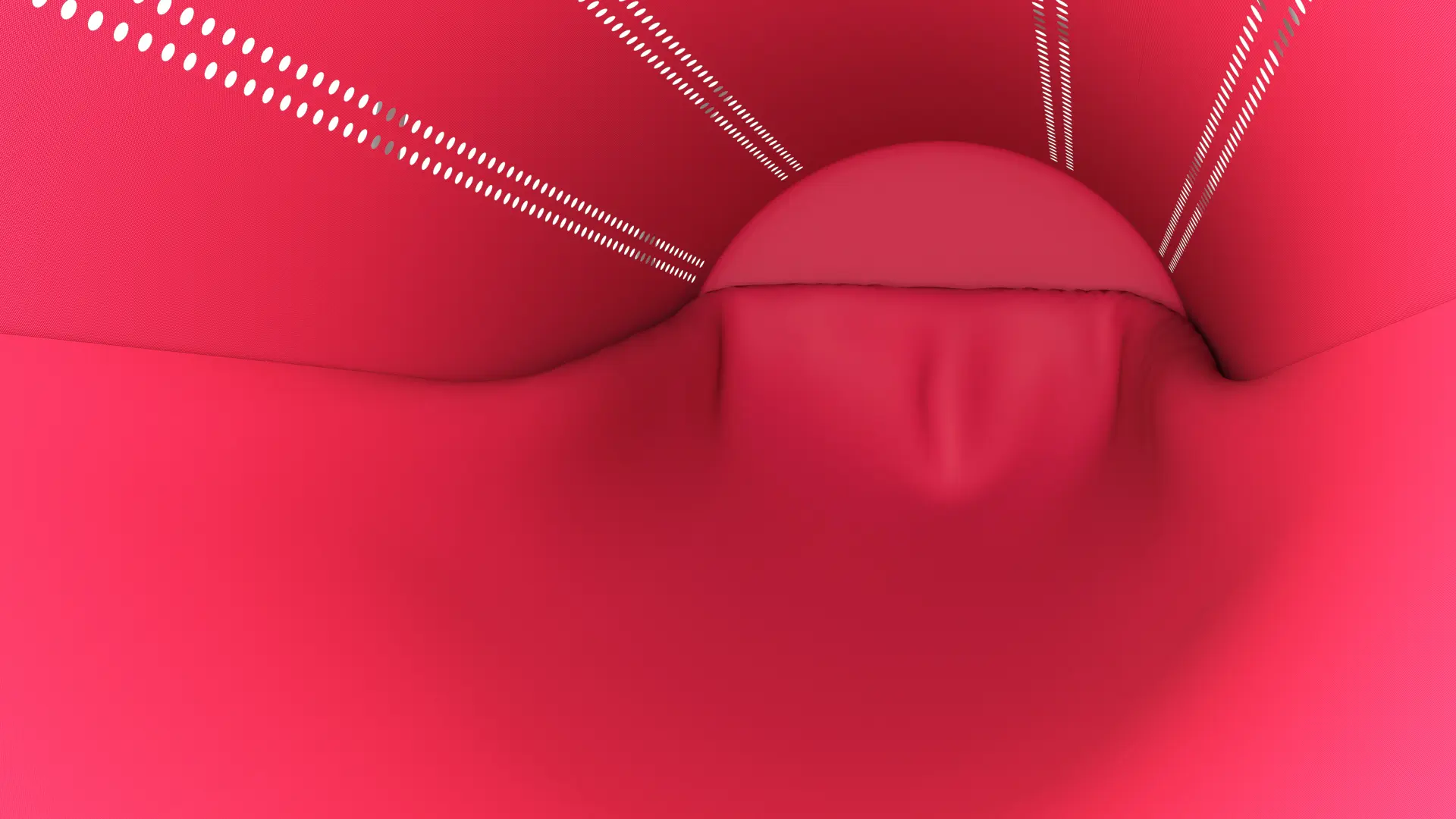
When heat is needed, the internal fabric damper is positioned to the top. This configuration allows the supply air to push the internal damper against the top of the duct, effectively blocking any orifices from emitting airflow through the upper half. The upper half of the duct features micro-perforations, which enable high air changes at a lower velocity. As a result, supply air flows through the bottom of the duct’s orifices. Alternatively, the bottom half of the duct can utilize jets, nozzles, or larger orifices to accelerate the heated air downward or laterally, ensuring uniform air dispersion in spaces even with high ceiling systems. This damper/fabric process can also be applied to horizontal elbows, reducers, and concentric transitions, enhancing the overall efficiency of the HVAC system.
Easy to Control
Cooling and heating transitions are activated by an optional thermostat or a third-party actuator that communicates with a building management system (BMS) via a network. This automation ensures smooth and efficient switching between heating and cooling modes. Furthermore, fabric air duct systems often include a manual crank as a standard feature, providing redundancy during potential power outages.
Ideal Applications
Combination heating and cooling ducts are particularly well-suited for open office areas, classrooms, production facilities with high temperatures generated by machinery, and large occupied spaces where precise temperature control is important. Areas with high ceilings also benefit from the internal damper, as it ensures more uniform heating throughout the space. These systems prove especially valuable during transitional periods characterized by significant outdoor temperature swings throughout the day. Such spaces typically require heating in cool mornings and evenings, but air conditioning during the warmer parts of the day.
Fabric air ducts offer an innovative and efficient solution for HVAC air distribution, overcoming the limitations of traditional overhead ductwork. By precisely directing airflow and optimizing temperature control, these systems enhance comfort and energy efficiency in a variety of settings. Whether it’s an open office, a classroom, or a production facility, custom-engineered fabric air ducts provide reliable and versatile heating and cooling capabilities.
Additional Information
Learn more about Varioduct, FabricAir’s heating and cooling solution
FAQ
Warm air naturally rises and cool air sinks, so a system optimized to distribute air well in cooling mode often underperforms in heating mode (and vice versa) unless it’s specifically engineered to redirect airflow between the two.
Related terms: heating and cooling efficiency, airflow direction, HVAC system design, temperature distribution, dual-mode HVAC
VarioDuct uses internal dampers to redirect airflow upward for cooling and downward for heating, which keeps temperature distribution balanced year-round instead of favoring one seasonal mode over the other.
Related terms: VarioDuct, internal dampers, airflow redirection, balanced temperature distribution, seasonal HVAC performance
Yes — this technology integrates with automated building management systems for seamless mode transitions, so the switch between heating and cooling airflow patterns happens without manual reconfiguration of the duct system itself.
Related terms: building management systems, automated mode transition, duct system integration, seamless HVAC control, energy savings
Offices, classrooms, and production facilities benefit most, since these are spaces where precise temperature control matters year-round and the cost of installing and maintaining two separate seasonal systems would be hard to justify.
Related terms: office HVAC, classroom ventilation, production facilities, dual-mode system, high velocity duct system
Read more in FabricAir’s Rethinking Air Distribution.
Get valuable content first
Enter your email and be among the first to get tips and articles from our experts about HVAC industry topics.