








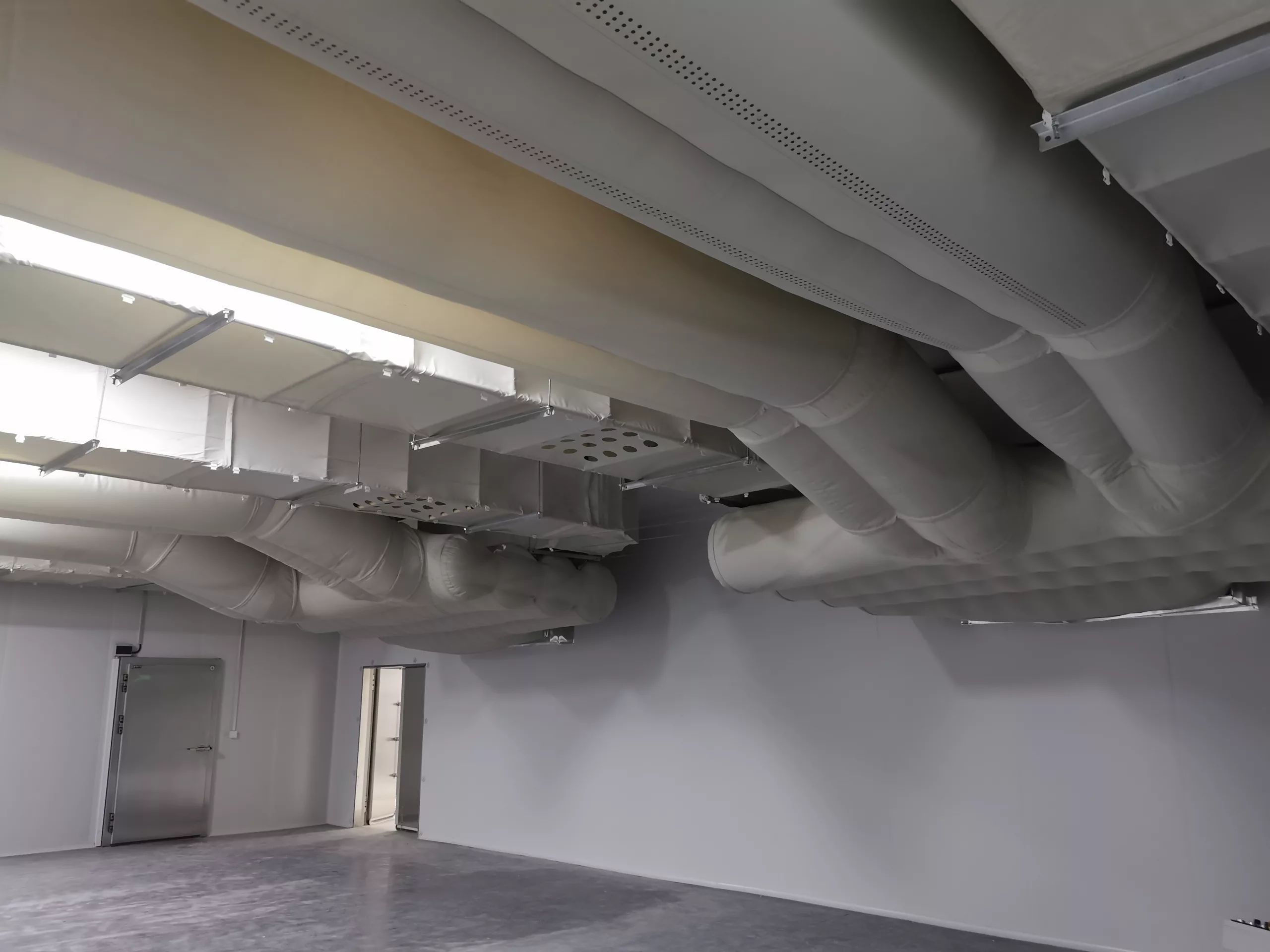
Textile Innovation in HVAC: Exploring Fabric Ductwork


This article explores how fabric air duct systems are redefining HVAC innovation by replacing traditional metal ductwork with flexible, efficient textile designs. You’ll learn how fabric ducts eliminate condensation, reduce noise, and simplify installation while improving air quality and energy performance. It highlights the growing adoption of fabric air ducting in industries such as sports, healthcare, food processing, and entertainment due to its lightweight structure, antimicrobial properties, and customizable aesthetics. By the end, you’ll understand why architects and engineers increasingly choose fabric ducts for modern, sustainable, and visually integrated air dispersion solutions
When it comes to air dispersion systems, one size doesn’t fit all. While traditional metal ductwork has been a staple in the industry for decades, it may not always be the best option. Over the last 50 years, fabric-based air dispersion systems have become a proven alternative through continued innovation and an increased focus on technology to improve air quality in any environment. Fabric air ducting is increasingly being specified over metal ductwork, particularly in swimming pools, industrial facilities, sports complexes, entertainment venues, and healthcare facilities.

Audrone Raigaisiene, PhD
Materials Engineer, R&D
What is the difference between fabric and metal?
While metal ductwork has been the most common choice for HVAC systems it has its limitations. One of the main issues with metal ductwork is condensation. In humid environments, condensation can form on the metal duct which can lead to corrosion and even mold growth. In addition to condensation, metal ductwork can also contribute to noise pollution. The vibrations caused by air passing through the metal ducts can be loud and disruptive. The installation process for metal ductwork can be expensive, requiring heavy equipment and specialized labor. Cleaning and maintenance of metal ducts can be complex, sometimes requiring the dismantling and reassembling of the ducts.
Advantages of using fabric air ductwork
Fabric air ductwork provides numerous solutions and advantages over traditional metal HVAC systems. It is much lighter and easier to install, resulting in faster installation times and oftentimes lower labor costs. Additionally, fabric air ductwork offers quieter operation, minimizing noise. For environments with strict hygiene requirements, anti-microbial fabrics keep the fabric fresh and prevent microbial development. Washable fabrics can be removed, laundered, and reinstalled. Textiles for fabric air ducts can be anti-static, flame-retardant, permeable, or non-permeable to suit the needs of the space. Fabric air ducts can also be manufactured in custom colors, shapes, and sizes to match or enhance the space.
Solutions for every application
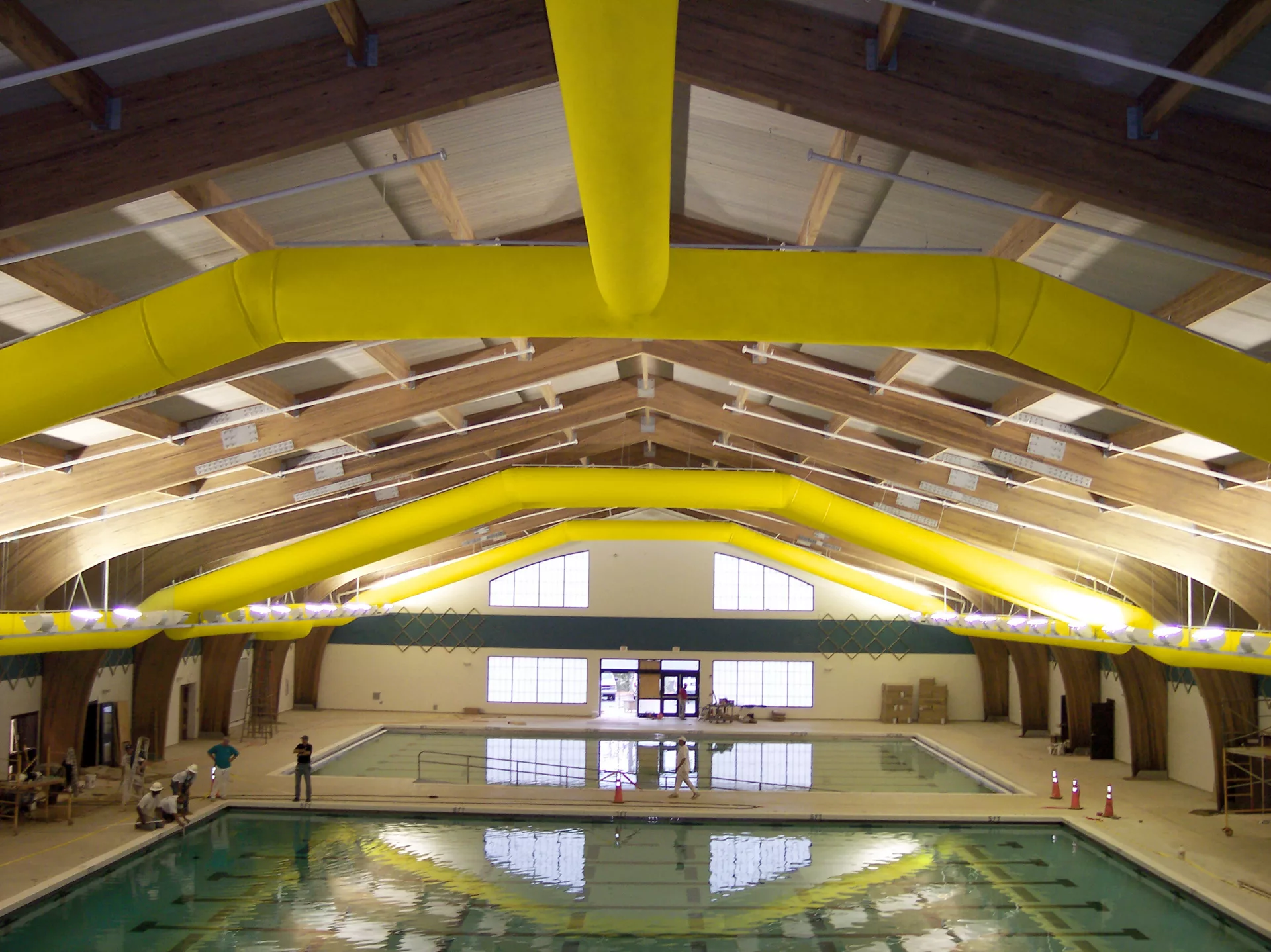
Fabric can be a superior alternative to traditional metal duct for a wide range of applications. For industrial facilities, fabric air ductwork is proven to be an effective solution for dust control, air distribution, and ventilation. In sports and recreation facilities, fabric air ductwork helps maintain air quality and temperature control, while in retail and commercial spaces, it offers a quiet and aesthetically pleasing alternative to traditional ductwork. In food processing facilities, antimicrobial fabric air ductwork can be helpful in reducing the spread of airborne illnesses and improving air quality. Fabric is also a preferred option for temporary structures such as event tents and portable buildings due to its light weight and easy installation and removal.
Customization options to enhance any space
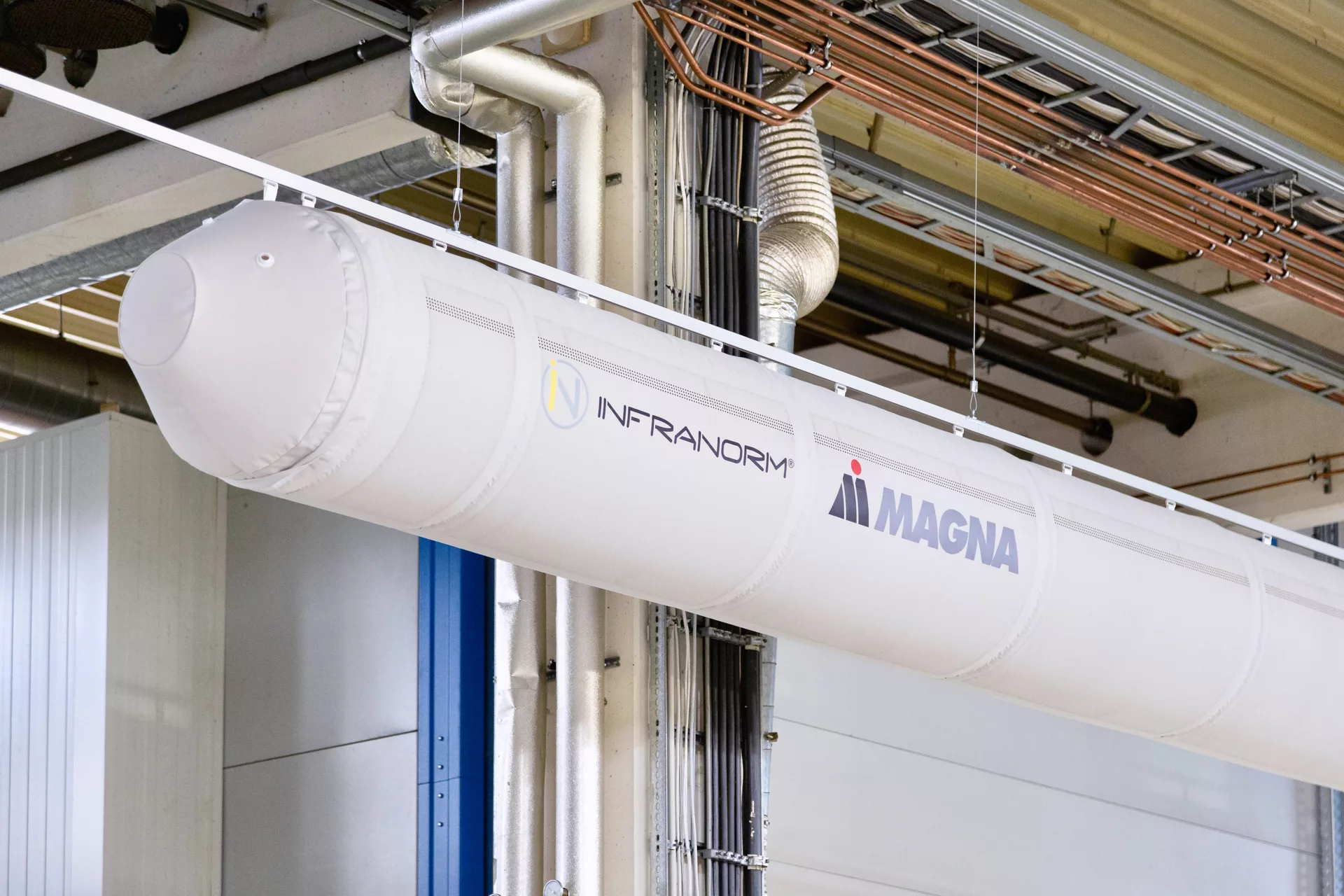
Fabric air ductwork also offers many design options, to enhance the aesthetic value of a space. Custom colors or prints can be applied to the fabric to complement the surroundings, resulting in a seamless integration of the ductwork with the rest of the room. Additionally, artwork, logos, or lettering can be printed on the fabric, providing bold branding opportunities that are popular for sports facilities. These customizable options make fabric an attractive choice for architects and designers who prioritize both functionality and aesthetics in their designs.
Fabric air dispersion systems offer a proven alternative to traditional metal duct systems with numerous advantages and solutions that make it an attractive choice for a wide range of applications. From industrial facilities to natatoriums, fabric air duct offers solutions to issues such as condensation, noise pollution, and could even save money on installation and maintenance. And, with a focus on innovation and technology designed to improve air quality, the use of textile-based air dispersion systems has become more popular in recent years.
Additional Information
Fabric vs metal ducting – 4 key differences


Get valuable content first
Enter your email and be among the first to get tips and articles from our experts about HVAC industry topics.