








Mitigating Corrosion in Humid Environments: Fabric Air Dispersion Systems


This article explores how fabric air ducting provides a durable, cost-effective solution to corrosion challenges in high-humidity environments. You’ll learn how permeable fabric air ducts eliminate condensation by maintaining surface temperatures above the dew point—preventing rust, extending system lifespan, and reducing maintenance needs. It explains how fabric air dispersion systems comply with strict industry standards while remaining immune to corrosion and biological growth. The article also highlights real-world applications in natatoriums, food processing facilities, and coastal buildings where fabric air duct systems deliver superior air quality and performance. By the end, you’ll understand how fabric air ducts outperform metal alternatives through long-term reliability, cleaner operation, and measurable economic savings across diverse HVAC environments.
Understanding the Corrosion Challenge in High-Humidity Settings
Atmospheric corrosion presents a significant safety and economic threat to HVAC systems, particularly in high-humidity environments. The interaction between chemical components in air and metal surfaces results in deterioration that compromises both visual appearance and functionality. According to NACE International (now AMPP), corrosion costs the global economy approximately $2.5 trillion annually—about 3.4% of global GDP—with proper mitigation solutions potentially reducing these costs by 15-35%.
For HVAC systems specifically, the impact is substantial. The U.S. Department of Energy reports that systems in high-humidity environments experience decreased efficiency over time due to this challenging issue, with maintenance costs significantly higher than systems in typical environments. Component lifespans in these settings are notably reduced, accelerating the need for costly replacements.
Fabric: A Superior Solution
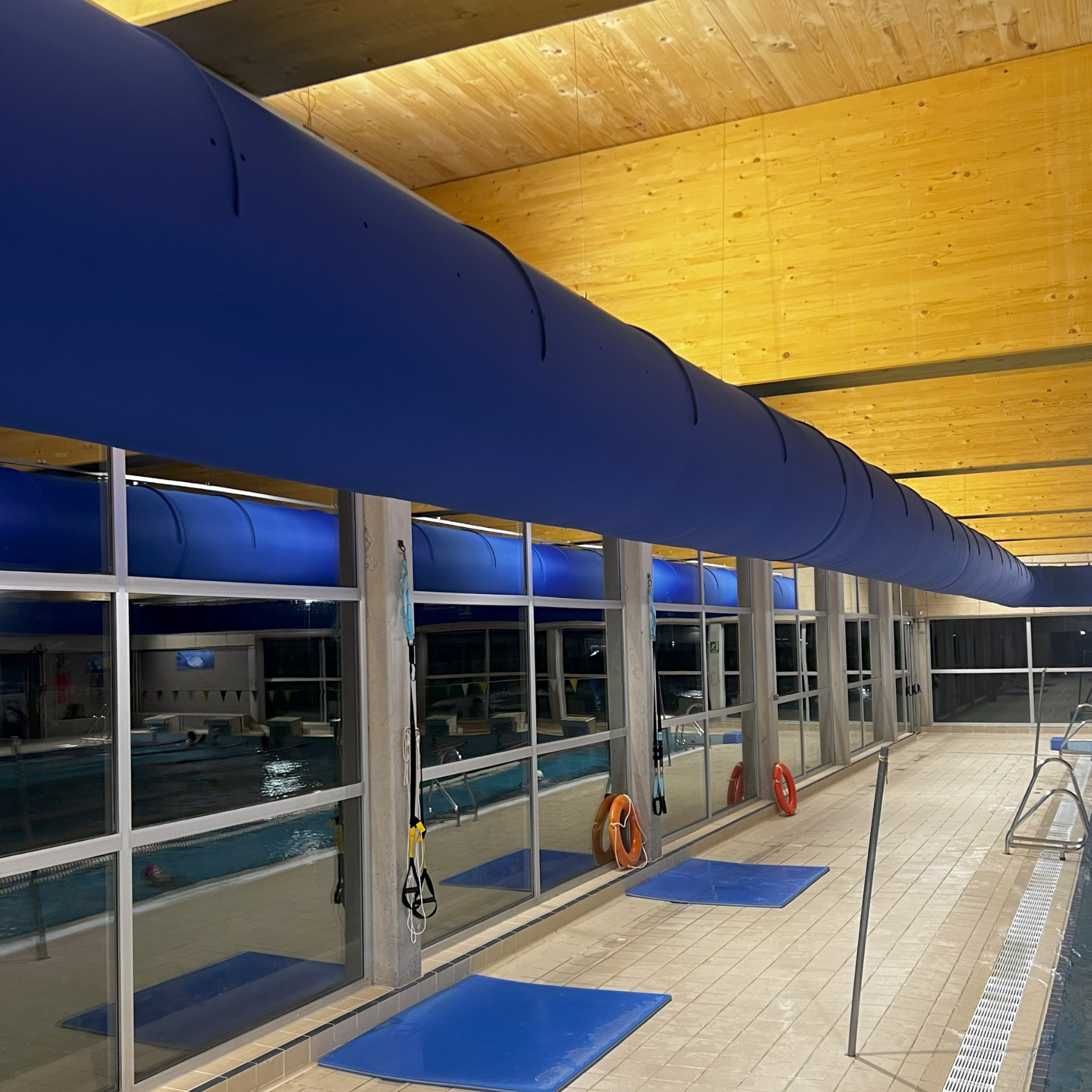
Fabric air dispersion systems offer a fundamentally different approach to corrosion prevention in high-humidity settings. Unlike metal alternatives, fabric doesn’t require special treatments because they address the root cause of the problem: moisture accumulation.
Non-Condensing Properties Prevent Condensation from Forming
The primary advantage of fabric air ducts (also known as air socks, duct sock, etc.) in humid environments stems from their inherent material properties. Permeable textile materials allow controlled air dispersion through the fabric itself, maintaining surface temperatures above dew point. This prevents condensation from forming on duct surfaces.
Systems engineered in fabric can significantly reduce maintenance requirements and remain cleaner over time compared to metal ducts. Without condensation, the ducts remain dry regardless of surrounding humidity levels, effectively eliminating the conditions necessary for corrosion to develop.
Industry-Standard Compliance and Material Selection
The materials used in high-humidity applications meet rigorous industry standards. According to ISA-S71.04, environments with the potential for corrosion are classified with severity levels ranging from G1 (Mild) to GX (most severe).
The polyester fabrics utilized for ducting are flame retardant, maintaining their fire safety performance throughout their service life. This reduces a significant maintenance concern while providing reliable, long-term performance in environments that would quickly deteriorate conventional metal systems.
Fabric is immune to the conditions that typically lead to rust, limitations that significantly impact metal ducts in humid or harsh environments. While metal systems progressively deteriorate, requiring increased maintenance and eventual replacement, fabric maintains its original properties throughout its service life.
How Fabric Air Dispersion Performs in High-Humidity Applications
Aquatic Facilities
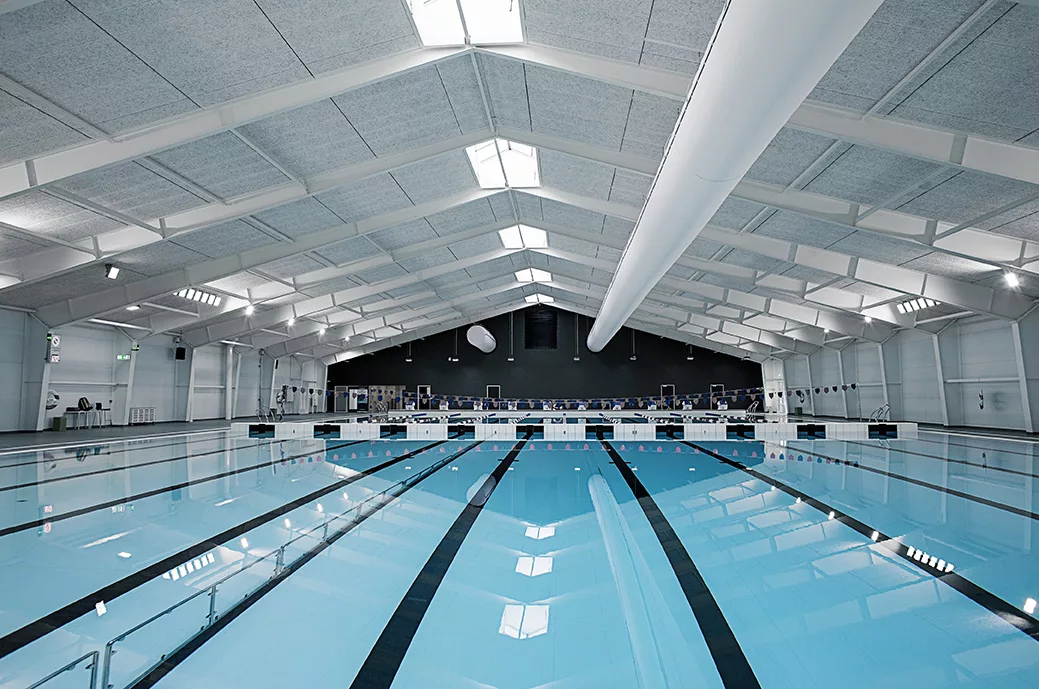
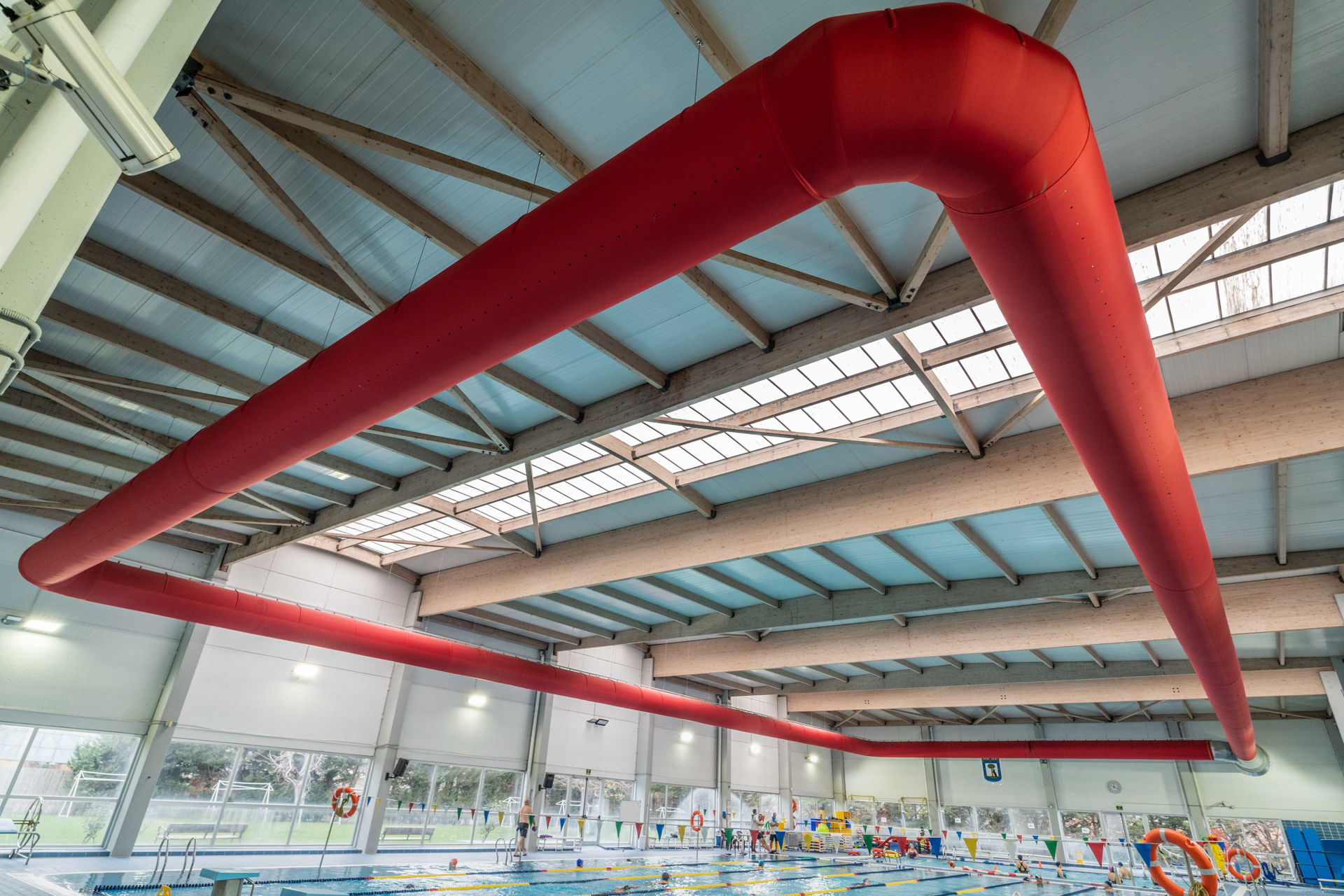
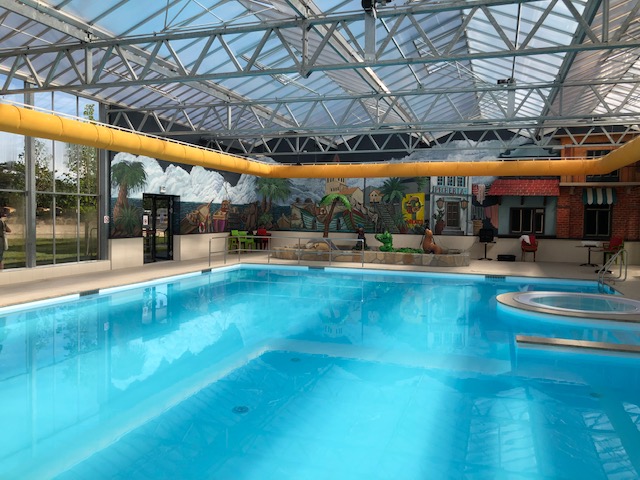
Installations in natatoriums and aquatic centers demonstrate how custom-engineered ducting provides cost-effective, corrosion-resistant solutions. Fabric air ducts are specifically designed to address the unique challenges of pool environments while resisting the negative effects of chlorinated air. The system maintains optimal air distribution patterns that prevent condensation on structural elements, protecting the entire facility from moisture-related damage.
Food Processing Facilities
Food processing plants typically specify fabric to address issues in wash-down areas. Traditional metal systems often require frequent replacement due to aggressive cleaning chemicals and constant high humidity. Fabric eliminates these types of concerns while improving air distribution, maintaining performance despite frequent exposure to harsh cleaning compounds and high humidity conditions.
Coastal Applications
Facilities in coastal environments face challenges due to salt-laden air. Fabric eliminates recurring issues while providing superior air distribution. In some cases, building owners report significant maintenance cost savings and improved system reliability compared to conventional metal ductwork.
Customizable Suspension Systems for Enhanced Protection
Fabric air dispersion systems offer advantages beyond the ducts themselves through customizable suspension systems designed to withstand harsh environments. Suspension options include:
- Anodized aluminum components – Provide excellent protection in moderately humid environments
- Galvanized steel elements – Offer enhanced protection for general applications
- Stainless steel hardware – Deliver superior performance in harsh environments
- Specialized protective coatings – Provide additional protection for specific environmental challenges
This flexibility allows system designers to match suspension materials to the specific challenges of each installation environment, ensuring comprehensive protection throughout the system.
Economic Benefits and Return on Investment
When evaluating the economic impact of fabric systems in high-humidity environments, several factors can contribute to a return on investment:
- Elimination of related efficiency losses – Avoiding the progressive performance degradation seen in metal systems
- Reduced maintenance expenses – Eliminating additional maintenance issues
- Extended system reliability – Preventing premature component replacement common in metal systems
- Lower installation costs – Simpler installation without additional protection measures
- Reduced structural protection needs – Proper air distribution protects building elements from condensation damage
These factors can translate to substantial lifecycle savings compared to conventional metal systems when accounting for installation, maintenance, energy efficiency, and replacement costs.
A Comprehensive Strategy for Prevention
Humid environments present significant challenges for HVAC systems, with substantial economic implications for facilities. Fabric air distribution systems offer comprehensive solutions by eliminating the fundamental conditions needed for corrosion to develop. Through their non-condensing properties, customizable configurations, and optimal airflow distribution, these systems protect not only the ventilation components themselves but the entire building structure.
By preventing condensation, eliminating certain types of metal components, and providing precisely controlled air distribution, fabric addresses these challenges more comprehensively than conventional approaches focused solely on treating metal surfaces. This fundamental difference translates to significant long-term economic benefits through reduced maintenance, extended system reliability, and preserved building integrity.
For facilities facing ongoing challenges with humidity-related challenges, whether natatoriums, food processing plants, pharmaceutical facilities, and other high humidity environments, fabric offers proven, economically sound strategies for long-term prevention.
Additional Information
Effective environmental controls key in managing grow house VPD, transpiration
FAQs About Fabric Air Dispersion Systems in Humid Environments
FabricAir systems designed for high-humidity applications typically maintain their performance characteristics for many years when properly maintained. Unlike metal systems that progressively degrade due to corrosion, FabricAir systems maintain consistent performance throughout their lifespan.
FabricAir ducts can be cleaned through several approved methods depending on the specific material and application. Options include in-place cleaning for routine maintenance and complete removal for thorough cleaning when necessary. Many FabricAir systems feature design elements that facilitate easy maintenance without complex disassembly.
FabricAir ducts improve indoor air quality in humid environments by preventing the formation of rust and corrosion that commonly occurs in metal ductwork exposed to moisture. The non-corrosive properties of textile materials eliminate sources of airborne particulates that result from metal deterioration.


Get valuable content first
Enter your email and be among the first to get tips and articles from our experts about HVAC industry topics.