








Case study — 9
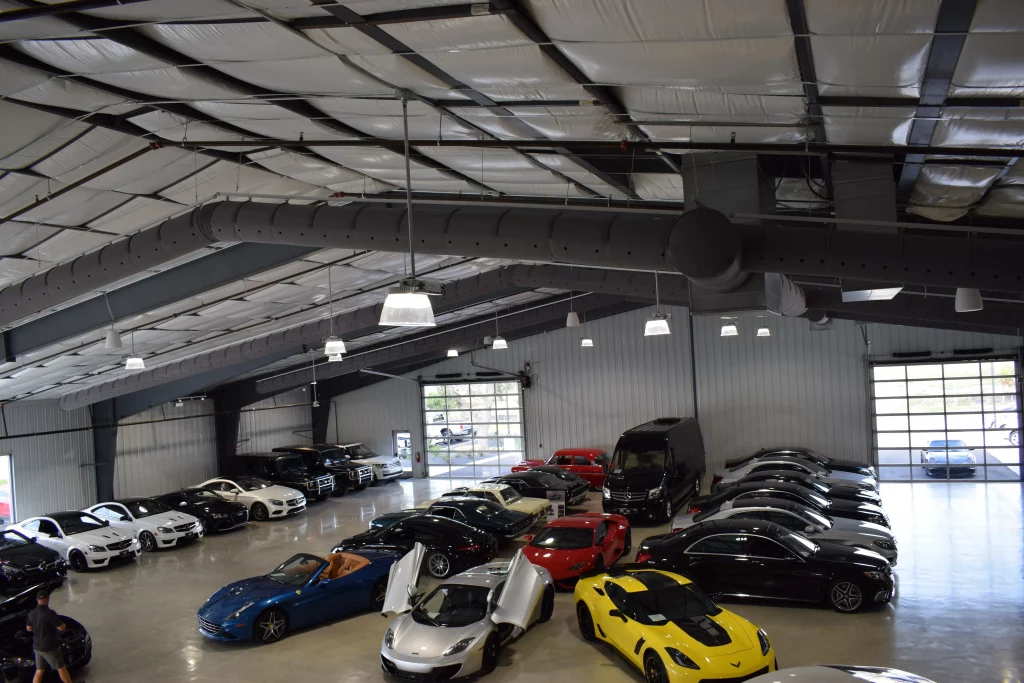
Mark Motors, USA
The result is an aesthetic and highly comfortable solution providing the best indoor environment for the car dealerships’ customers and high-end cars. Creating an atmosphere of comfort and luxury through the indoor air quality helps to emphasize the message of Mark Motors - building relationships for life through commitment to providing the highest level of service every time.
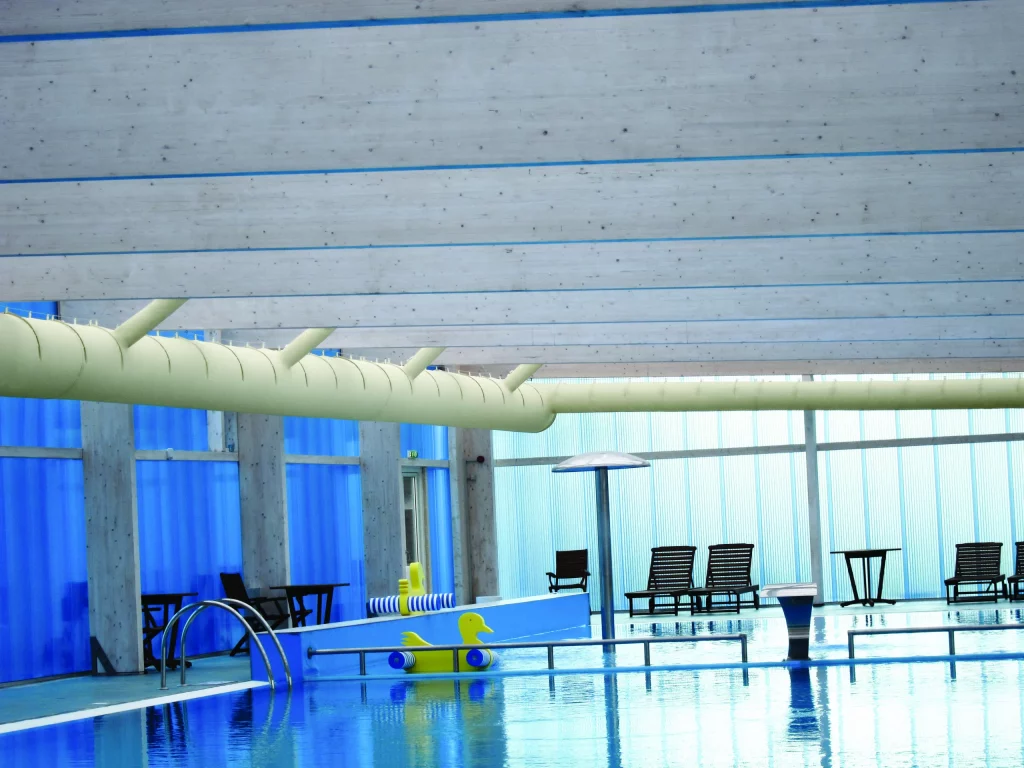
Feddet Strand Resort, Denmark
10 years after the original installation, we revisited the application to review its performance after a decade in the highly corrosive pool environment. The review included assessing fabrics, zippers, straps, and suspension parts, in addition to reviewing the general experience of the airflow and comfort. We found that a decade in the highly corrosive environment had not affected the fabric, neither had the UV exposure.
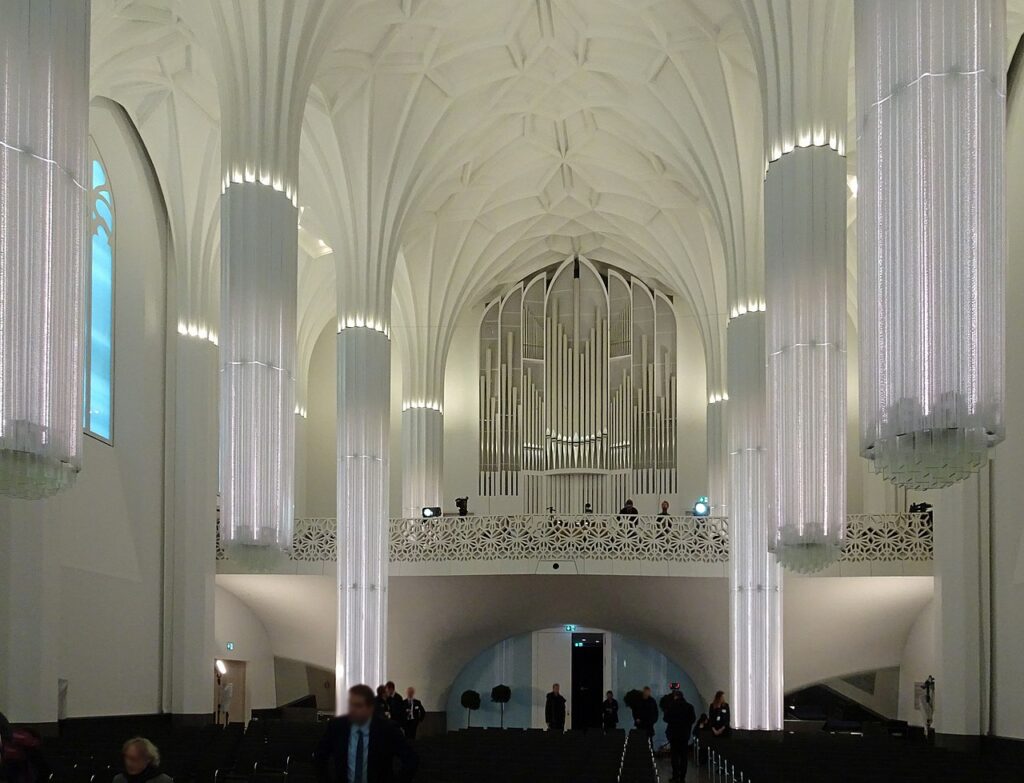
Leipzig University Church, Germany
Since the completion in winter 2021, the organ pipes in the Paulinum have been surrounded by an ideal room climate. The acoustics of the organ is not affected by the textile ducts in any way - there is no reverberation, no oscillation, and no fluttering.
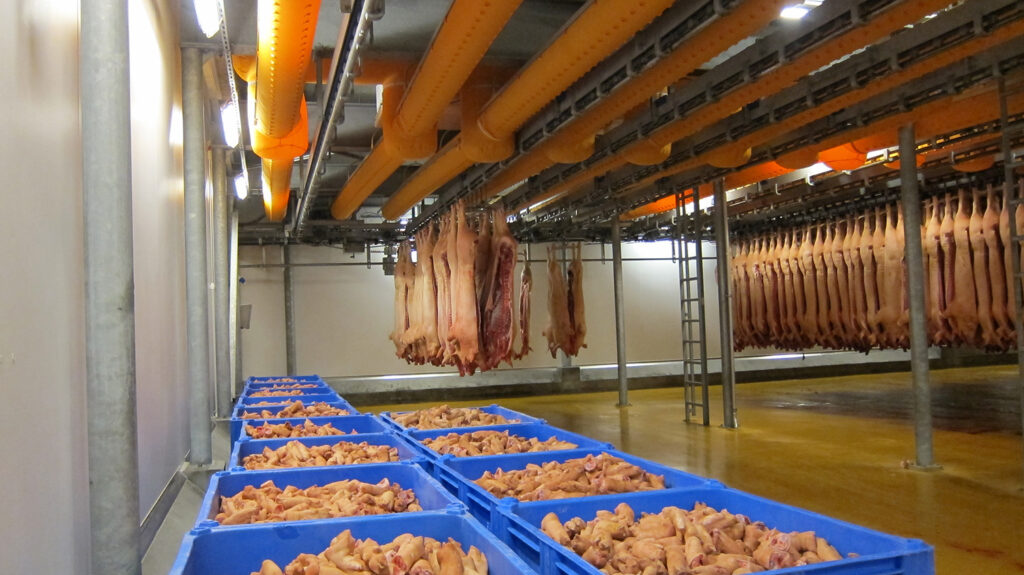
Danish Crown, Blans, Denmark
The “Danish Crown” in Blans is great job site to share the FabricAir dispersion system’s longevity and exclusiveness. The FabricAir Dispersion System is effectively used in a draft and condensation free manner to cool down and ventilate several rooms (different types) to 53 degrees where machinery generates a large heat load.
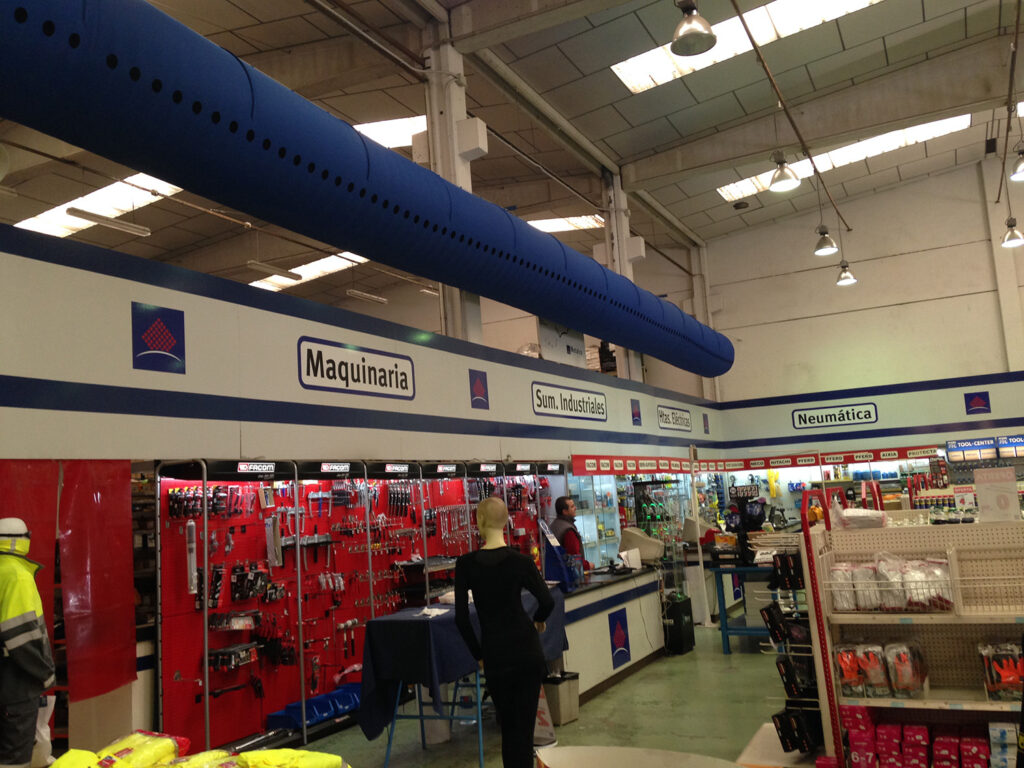
Metalco, Zaragoza, Spain
“It works really well. We have finally eliminated the sensation of cold feet. Last year we had to close the doors to the warehouse, but still I could feel the cold. This year we have fabric ducting. Our customers buy more, the longer they stay in the store, and for that we needed comfort without noise," says a sales professional at Metalco.
“The fabric airdispersion solution has surprised me by how easy it was install and how well it works. Air diffusion has turned out to be very uniform and it has efficiently solved the challenge.” Says Jesús Marcen, Technical Manager of the Installer AIZAR.
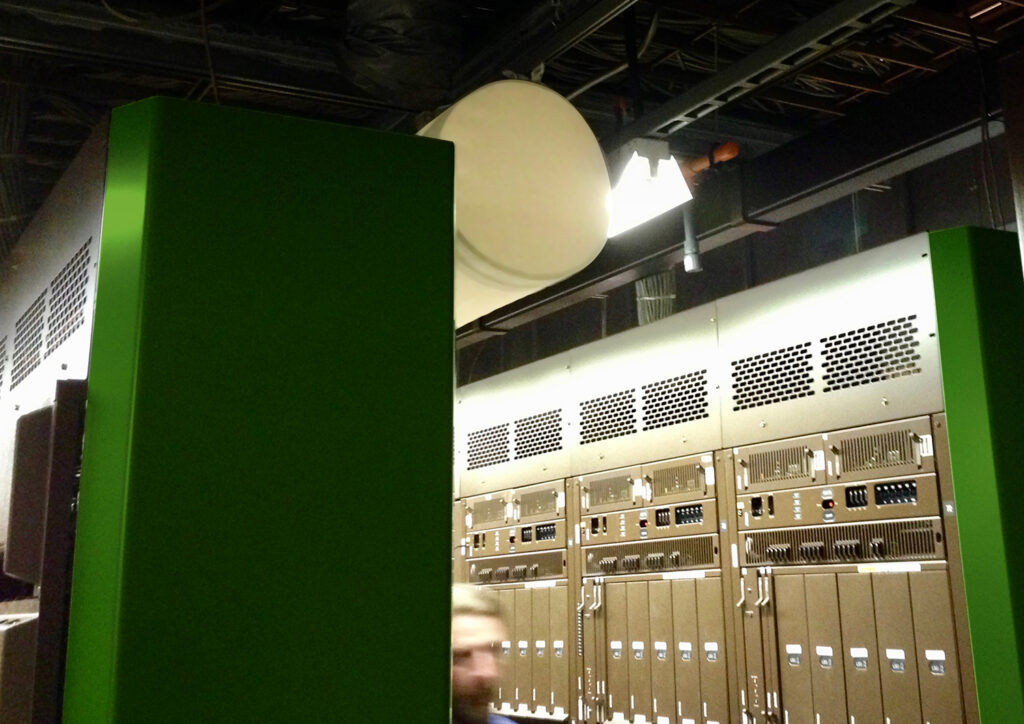
Telecom Facility, Pacific Northwest, Canada
“Generally, temperatures have fallen slightly in what used to be hottest parts of the aisle and risen slightly in what used to be coldest parts of the aisle, consistent with the nearly perfectly even air distribution the FabricAir ducts provide. A modest overall temperature reduction was realized, with a before average temperature of 77.4 degrees, and an after average temperature of 76 degrees,” explains Doug Green, President of GROK Energy Services Inc.


