








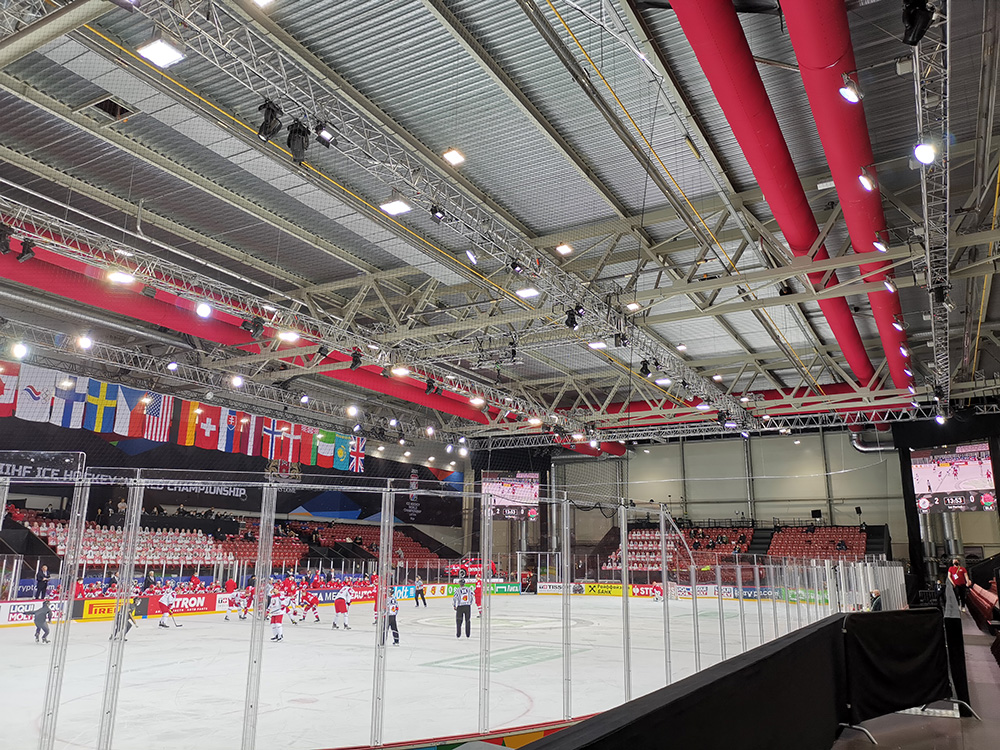
Duct socks explained


If you’ve come across “duct sock” in a specification document or a product catalogue and weren’t sure what it referred to — this is the article for you.
Definition
A duct sock is a ventilation duct made from engineered fabric rather than sheet metal. It hangs from the ceiling, inflates when the HVAC system runs, and releases conditioned air through the fabric surface along its full length.
One technology, many names
The first thing worth knowing about duct socks is that the name itself is just one of several in common use — and none of them refer to different things. FabricAir’s FAQ addresses this directly: the difference between fabric ductwork, air socks, and sox is simply “nothing”. A duct sock is a ventilation duct created in fabric instead of sheet metal or PVC pipe. That is the whole definition.
The reason for the variety of terms is geographical. When the technology was first commercialised in Europe in the early 1970s — FabricAir has been manufacturing since 1973 — it became known as fabric ducting or textile ducting. As it spread to North America, “duct sock” and “duct sox” became the established terms there. In the UK today, you’ll encounter all of these in circulation, sometimes within the same tender document. Knowing that they are interchangeable saves time when researching or specifying — if you search for one term and find limited results, any of the others will return the same category of product.
What makes a duct sock different from a metal duct
A conventional metal duct is a rigid pipe that carries air from the AHU to a grille or diffuser at the end of the run. The air arrives at one point and is discharged into the room from there. The distribution pattern depends on how many grilles are installed and how well they are positioned — get it wrong and you end up with draughty spots near the grilles and poor coverage further away.
A duct sock works differently. It releases air along its entire length — through the fabric itself, through laser-cut perforations, or through fabric nozzles, depending on how it has been engineered for the space. The result is that conditioned air enters the zone at low velocity from many points simultaneously rather than from one or two. Temperature and velocity even out across the room without any single delivery point dominating.
The duct sock releases air along its entire length. There is no single delivery point — and no single cold spot beneath it.
The fabric also addresses a problem that metal ductwork handles poorly in certain environments: condensation. When cool air runs through a permeable fabric duct, the surface temperature stays above the dew point because air is moving through the material rather than collecting against it. In food production, cold storage and pharmaceutical manufacturing — anywhere chilled air meets warm ambient conditions — this removes a persistent hygiene and maintenance headache that metal ductwork, even insulated metal ductwork, tends to create.
A practical note on maintenance and customisation
Two practical characteristics of duct socks are worth highlighting for anyone evaluating them for a project. The first is maintenance. A duct sock unclips from its ceiling rail, goes through a standard commercial washing machine, and is reinstalled — typically the same day. This is not a minor convenience; for food production sites running regular BRCGS audits, or pharmaceutical facilities under GMP requirements, the ability to document routine duct washing without a specialist contractor is a genuine operational advantage.
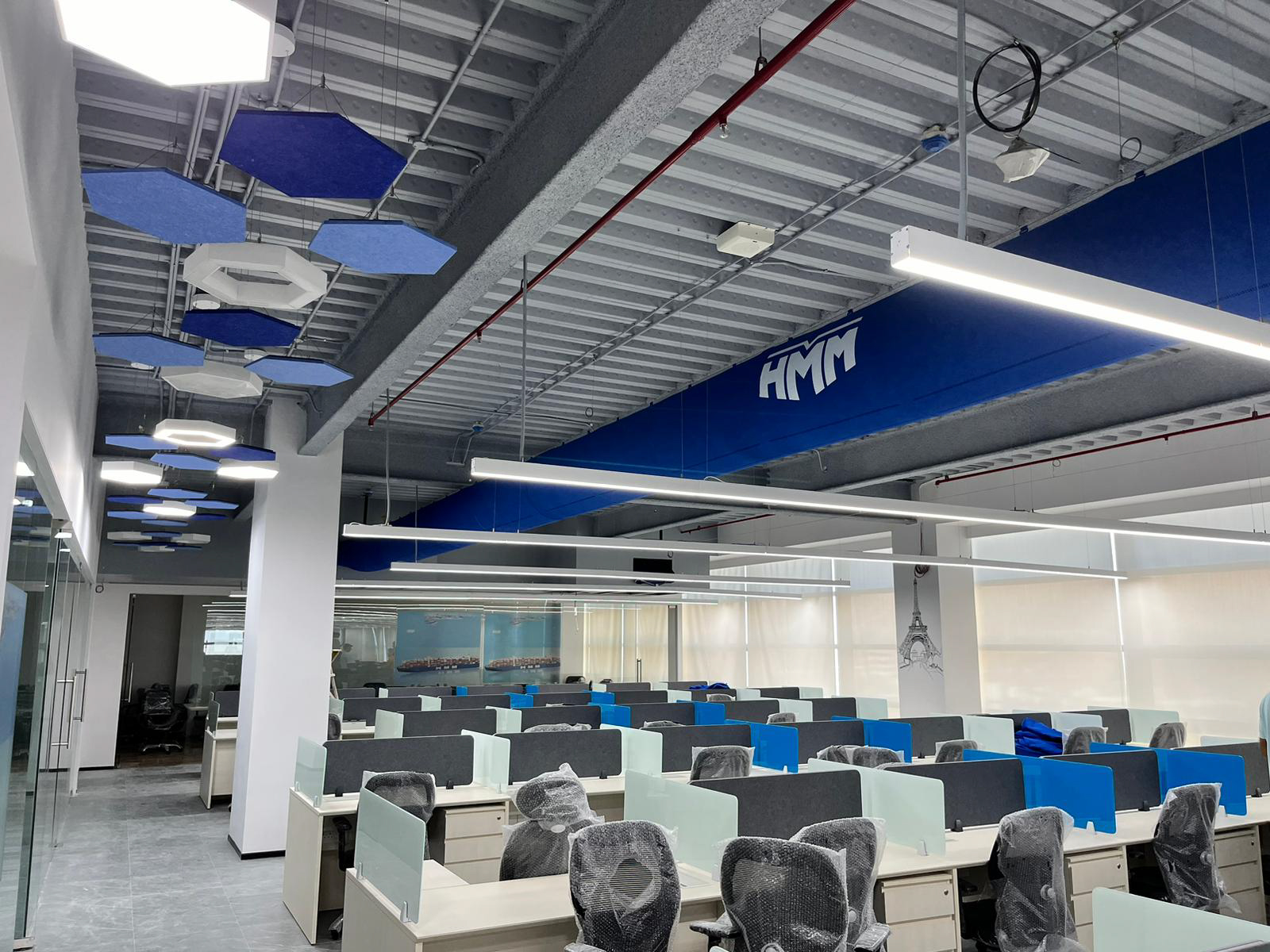
The second is customisation. Every duct sock is manufactured specifically for the project — the diameter, fabric type, flow model, profile shape and colour are all selected at the design stage. FabricAir offers a standard colour range, but the fabric can be matched to almost any interior scheme. For open-ceiling commercial spaces, offices and leisure facilities where the ductwork is visible, this matters in a way it simply doesn’t with hidden metal ductwork.
For projects where airflow performance needs to be verified before manufacture — complex layouts, high-specification environments, or spaces where getting the distribution right is critical — FabricAir offers a CFD analysis service that models airflow in the actual space before a metre of fabric is cut.
A duct sock is a fabric air duct used to distribute conditioned air through a room or zone. Instead of releasing air from a single grille or diffuser, it distributes air along the length of the duct through the fabric surface, perforations or nozzles.
Yes. Duct sock, air sock, duct sox, fabric ducting and textile ducting are different names for the same type of fabric-based air distribution system. The preferred term often depends on the country, sector or specification.
Yes. Duct socks and fabric ducting are used across the UK in industrial, commercial, public and specialist environments, including food production, cold storage, sports facilities, offices and manufacturing spaces.
Duct socks are lightweight, easy to install, washable and designed to distribute air evenly across a space. They can also reduce draughts and help avoid condensation issues in environments where hygiene and temperature control are important.
Yes. Duct socks are designed for each project. The diameter, fabric type, colour, flow model, suspension method and air distribution pattern can be adapted to the building, application and airflow requirements.
Yes. Fabric ducting is often used in hygiene-sensitive environments because the ducts can be removed, washed and reinstalled. This can support cleaning routines and documentation requirements in facilities such as food production and pharmaceutical manufacturing.
Get valuable content first
Enter your email and be among the first to get tips and articles from our experts about HVAC industry topics.