








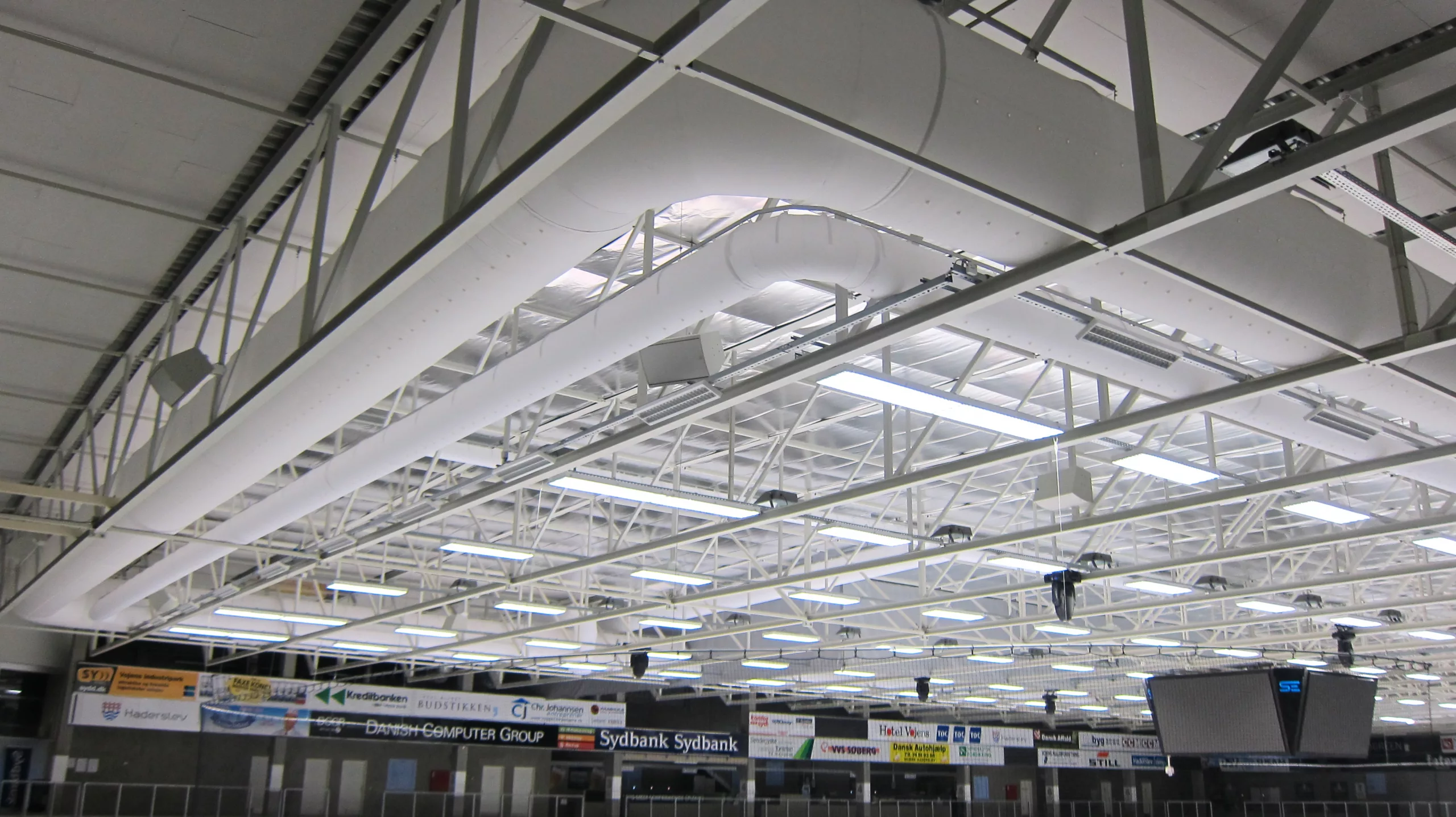
3 main textile ducts values for consulting engineers


The biggest headache when working on new facilities or renovations is for the consulting engineers, who have to think of everything. Including air distribution systems. But this is where the choice of fabric-based solutions can make the job a lot easier and save a lot of resources.
Fabric-based air engineering technology is becoming the preferred choice across the globe due to its technical flexibility, economic benefits, and environmental advantages. The versatility of fabric-based HVAC systems outdoes conventional metal solutions when it comes to exposed ducting. And there are 3 main values of fabric-based solutions specifically for consulting engineers.
Unsurpassed technical performance
Having in mind the HVAC technology itself, fabric-based solutions are relatively young, only 50 years old but the know-how and expertise in this field are developing at the speed of light. Due to the highly skilled air engineers, the fabric-based air distribution system can be designed for the ideal air dispersion irrespective of the complexity of your application. Each order is custom engineered with 3D drawings and airflow calculations.
In addition, fabric ducts, also known as air socks, are extremely durable and have a very long lifespan. There is a proven track record of companies that are still using the same fabric ducts in their facilities even after more than 40 years since the installations were made in the 1970s.
Eliminating unwanted environmental issues
Fabric-based air dispersion technology offers significant advantages in terms of comfort and hygiene as using permeable fabrics prevents condensation. Without moisture, bacteria and mold does not grow, making the technology a hygienic alternative to conventional metal ducts.
When it comes to occupant comfort, fabric-based air distribution solutions also offer significant advantages in terms of draft-free and virtually silent air dispersion. The technology enables a high air change at low velocity, thus creating the ideal indoor environment.
If used in industrial applications, like aerospace, micro-electronics, pharmaceuticals, medical devices, healthcare, and food processing, it is vital to minimize environmental pollutants, such as dust, microbes, aerosol particles, and chemical vapors. Hence, Cleanroom certification is a key selection criterion when designing the air dispersion system. Fabric-based HVAC solutions offer a range of fabrics with Cleanroom certification, anti-microbial coating, and other hygienic advantages.
Saving money and resources
The savings potential in switching to fabric-based air distribution technology is significant. On installation alone, the smart air solutions offer 50-70% time savings. And there are more savings to be gained through lean delivery, efficient use of materials, space savings, and efficient shipping solutions.
Fabric ducts are very light, therefore there is no need to have heavy machinery to install them. The light weight also benefits during the logistics process, as the ducts are very flexible, they fit in a box and can be shipped without freight cars or trucks. Having everything in mind, fabric ducts are an alternative to conventional metal ducting that enables savings of up to 70%.
Additional Information
FAQ
Fabric-based air engineering technology has become a preferred choice because of its technical flexibility, economic benefits and environmental advantages, and it particularly outperforms conventional metal solutions in exposed ducting applications where appearance and performance both matter.
Related terms: textile duct system, technical flexibility, exposed ducting, consulting engineer specification, fabric-based air engineering
Fabric-based HVAC solutions are relatively young — around 50 years old — but the know-how and expertise in the field have developed quickly, and there’s a proven track record of companies still using the same fabric duct system installed decades ago.
Related terms: fabric duct system maturity, proven track record, technology lifespan, fabric-based HVAC, engineering expertise
Each textile duct system order is custom engineered with 3D drawings and airflow calculations specific to the project, rather than selected from a generic catalogue — which is part of why consulting engineers can rely on the specified performance matching real-world results.
Related terms: custom engineering, 3D drawings, airflow calculations, textile duct system, project-specific design
Because fabric ducts, also known as air socks, are lightweight, durable and have a long service lifespan, engineers can specify a system that reduces material transport, installation labour and long-term replacement costs simultaneously — three separate budget lines improved by a single decision.
Related terms: resource savings, service lifespan, material transport, installation labour, long-term cost reduction
Read more in FabricAir’s Fabric vs Metal Ducts – 4 Key Differences for HVAC Systems.
Get valuable content first
Enter your email and be among the first to get tips and articles from our experts about HVAC industry topics.