









Cloth Ducting Solutions: Superior Airflow Efficiency with Verified Benefits


This article explores how fabric air duct systems are transforming modern HVAC design through superior energy efficiency, comfort, and sustainability. You’ll learn how textile-based ducts deliver even airflow, minimize drafts, and reduce noise while cutting energy use by up to 42.8% compared to traditional metal systems. It highlights the evolution from rigid ductwork to lightweight, customizable solutions that enhance aesthetics, simplify installation, and improve indoor air quality. By the end, you’ll understand why fabric air ducting has become the preferred choice for architects, engineers, and facility managers seeking efficient, durable, and visually appealing air distribution solutions.
In a world where energy efficiency and indoor air quality have become critical concerns, the HVAC industry has been evolving air distribution technologies to meet these challenges. Cloth ducting systems have emerged as a compelling alternative to traditional metal ductwork, offering benefits beyond simple air conditioning. Recent industrial applications have demonstrated that fabric air duct systems can achieve energy savings of up to 42.8% compared to conventional metal systems due to reduced static pressure and better air distribution. This innovative approach to airflow delivery is transforming environments from corporate offices to agricultural facilities, delivering solutions that are energy-efficient, aesthetically versatile, and environmentally responsible.
Understanding Cloth Ducting: A Comprehensive Guide
Cloth ducting, also known as fabric air ducting, is an air distribution system made from lightweight textile materials that replaces conventional metal ductwork in HVAC applications. These fabric-based systems are engineered to deliver conditioned air throughout a space with precision and efficiency. Unlike rigid metal ducts, cloth ducting uses perforated textiles capable of distributing air evenly across its entire surface, resulting in draft-free environments with optimal temperature control.
Key Components of Cloth Ducting Systems
The main component of any cloth ducting system is the fabric air ducts themselves, typically crafted from polyester or other specialized textiles with specific performance characteristics. These ducts come in various profiles including cylindrical, half-round, and rectangular configurations to suit different ceiling types and architectural requirements.
To ensure safety and compliance, high-quality fabric air ducts must meet stringent industry standards. According to industry certification requirements, fabric air ducting must comply with UL 2518 certification for textile air dispersion systems, which addresses material safety, durability, and fire performance. Materials can also be treated with antimicrobial coatings, fire retardants, and anti-static properties to enhance safety and performance for specific applications.
The Evolution of HVAC Systems: Transition from Metal to Fabric
Brief History and Innovation in HVAC Design
The journey from metal to fabric air ducting represents one of the most significant evolutions in HVAC technology over the past half-century. The modern era of fabric air duct systems began in Denmark in 1973, when engineers sought to solve draft problems in a slaughterhouse environment.
The Role of Cloth Ducting in Modern HVAC
Today, fabric air duct systems address challenges that conventional metal ducts cannot easily solve. These lightweight, flexible solutions typically require less structural support and skilled labor for installation, potentially reducing both costs and construction timelines. Independent research has verified that warehouse projects using high impulse fabric air duct systems can achieve extremely uniform air distribution, with a temperature gradient of only 0.5°C over a 19-meter height, surpassing typical metal duct capabilities.
Benefits of Cloth Ducting
Even Airflow and Temperature Control
Cloth ducting systems can distribute air through their entire surface area, either through specially designed permeable fabrics or precision engineered, laser-cut perforations. This approach creates consistent airflow patterns that reduce temperature stratification. In some environments, fabric air duct systems have demonstrated significantly improved energy consumption by targeting airflow to specified areas compared to traditional diffuser-based systems.
Minimizing Drafts and Noise
One of the most obvious benefits of cloth ducting is its ability to provide uniform airflow which can significantly reduce uncomfortable drafts. Drafts from poorly designed HVAC systems can create hot and cold spots causing occupant discomfort.
The textile surface of these ducts helps dampen sound transmission, reducing ambient noise levels typically associated with metal HVAC systems. This creates environments where people can focus, relax, or work without the distraction of noisy air handling or uncomfortable temperature zones.
Economic and Environmental Advantages
Cost-Effectiveness and Energy Efficiency
The economics of fabric air ductwork offer advantages across multiple areas. Industry analysis confirms that fabric air duct systems are typically 20-50% cheaper overall than metal ductwork due to lower material costs, transportation logistics, installation time, and associated expenses (e.g., no need for diffuser grilles, insulation, or anti-corrosion treatments).
From an operational perspective, fabric air ducts with optimal airflow design heat rooms 24.5% faster and more uniformly than metal systems by ensuring air distribution across a larger surface area. This avoids inefficiencies like air stratification commonly experienced with traditional metal ductwork.
Versatility and Aesthetics
Design Flexibility and Color Options
Cloth ducting goes beyond the purely functional role of traditional ductwork by becoming an architectural design element. Fabric air duct systems are available in virtually unlimited color options, from subtle neutrals to vibrant hues that make bold statements or reinforce brand identity. Beyond solid colors, many manufacturers offer custom printing capabilities, allowing organizations to incorporate logos, messaging, or decorative patterns directly onto the ducts.
Seamless Integration into Interior Designs
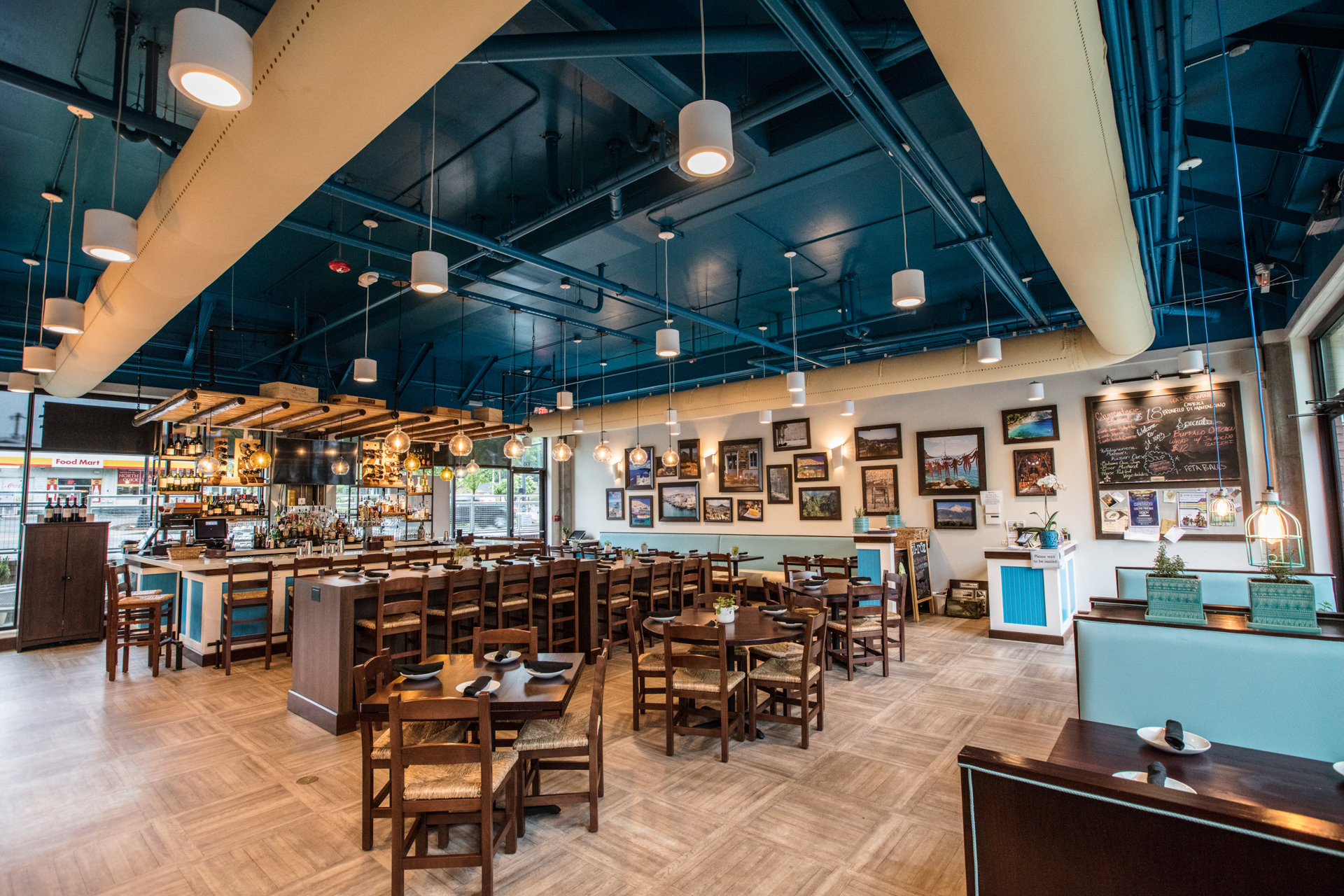
In exposed ceiling applications popular in modern commercial spaces, cloth ducting offers a refined alternative to the industrial look of metal systems. Fabric air ducts offer the ability to transform necessary mechanical systems into design features. In projects where the mechanical systems must remain visible, the soft lines and customizable appearance of fabric air ducts create visual interest without the institutional feeling of exposed metal ductwork.
Applications and Use Cases for Cloth Ducting
Commercial Spaces: Retail, Offices, and Gyms
Cloth ducting can transform air distribution in commercial environments where both functionality and aesthetics matter. In retail settings, fabric air duct systems create comfortable shopping experiences while preserving valuable merchandising space. Many retailers have embraced this technology not only for its performance but also for the versatile branding opportunities available through customization.
Industrial and Warehousing Solutions
The industrial sector presents demanding applications for HVAC systems and cloth ducting has proven remarkably effective. A case study from a Mitsubishi Automotive manufacturing facility in Mexico illustrates the benefits: after installing a high-performance fabric air duct system in their facility, temperatures were stabilized improving worker comfort and reducing temperature-related issues.
Greenhouses and Agricultural Uses
The agricultural sector has also embraced cloth ducting for its ability to create optimal growing environments. In greenhouse applications, fabric air duct systems provide gentle, uniform air distribution that prevents direct drafts on delicate plants while ensuring consistent temperature and humidity throughout the growing space.
Pools and Recreational Facilities
Indoor pool facilities and aquatic centers benefit particularly from fabric air ducting. The combination of high humidity, chlorine compounds, and temperature differentials creates conditions that can cause traditional metal ductwork to rapidly deteriorate through corrosion. Cloth ducting offers an ideal solution, as many fabric materials are inherently resistant to these harsh conditions.
Comparison: Cloth Ducting vs. Metal Ducting
Cloth ducting represents a significant advancement in HVAC air distribution technology, offering compelling benefits for nearly any application while presenting certain limitations that require careful consideration. The documented energy efficiency improvements – in some cases over 40% in industrial settings – make these systems increasingly appealing as energy costs and environmental concerns grow.
Fabric air ducting excels in commercial, recreational, and food processing environments where air quality, energy efficiency, and aesthetics must work in harmony. By understanding both the advantages and limitations of cloth ducting systems, facility managers and design professionals can make informed decisions that optimize comfort, efficiency, and long-term value for their specific applications.
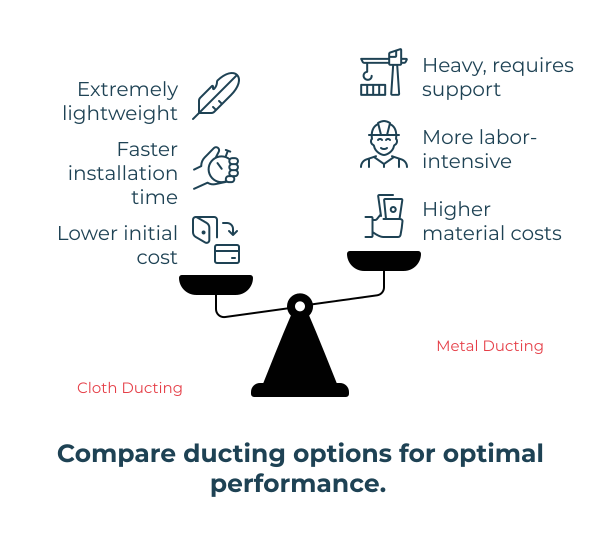
When evaluating cloth ducting against traditional metal systems, the differences extend beyond materials. Cloth ducting systems are highly customizable, with the ability to provide even air distribution through their entire surface. Installation represents another contrast – fabric duct systems can usually be installed in less time than comparable metal systems, requiring fewer workers and simpler support structures.
From a performance perspective, cloth ducting also offers acoustic advantages that metal cannot match. The textile materials absorb sound rather than amplifying it, reducing ambient noise levels in conditioned spaces compared to metal alternatives.
Maintenance represents another area where cloth ducting demonstrates clear advantages. While metal systems can accumulate dust, debris, and contaminants that are difficult to clean, fabric duct systems can be unzipped for removal and laundering.
Climate adaptability represents one of the most frequently misunderstood aspects of cloth ducting technology. Modern fabric ductwork manufacturers have developed specialized materials and designs that perform effectively across many climate zones, from tropical to arctic conditions.
In hot, humid environments where condensation poses challenges for metal ducting, fabric systems with specified permeability prevent moisture accumulation while maintaining precise airflow patterns. For extreme cold environments, non-permeable fabric ducts can work alongside adequate building insulation to deliver efficient performance.
Maintenance for cloth ducting systems varies by application but is generally much simpler than for traditional metal systems. Standard maintenance protocols include periodic visual inspections to check for proper inflation, fabric damage, and secure suspension mounting.
The cleaning process represents a significant departure from metal duct maintenance. Many fabric duct systems feature zip-out sections designed for easy removal without disturbing the entire installation. Once removed, these fabric components can be laundered in a washing machine.
Selecting the optimal cloth ducting system for your needs requires consideration of several key factors. First, understand the specific requirements for the application, including airflow volumes, desired air distribution patterns, and any special considerations like temperature extremes or high humidity.
Air dispersion requirements represent another crucial consideration. Leading cloth ducting systems offer multiple dispersion methods, including linear vents, nozzles, laser-cut holes, and surface permeability. Each creates distinctive airflow patterns suited to specific applications.
When selecting a fabric duct system, verify compliance with relevant industry standards. According to certification requirements, quality fabric ducting should meet UL 2518 standards for textile air dispersion systems, along with fire safety standards like NFPA 90A and ASTM E84 for flame spread and smoke development.
Get valuable content first
Enter your email and be among the first to get tips and articles from our experts about HVAC industry topics.