








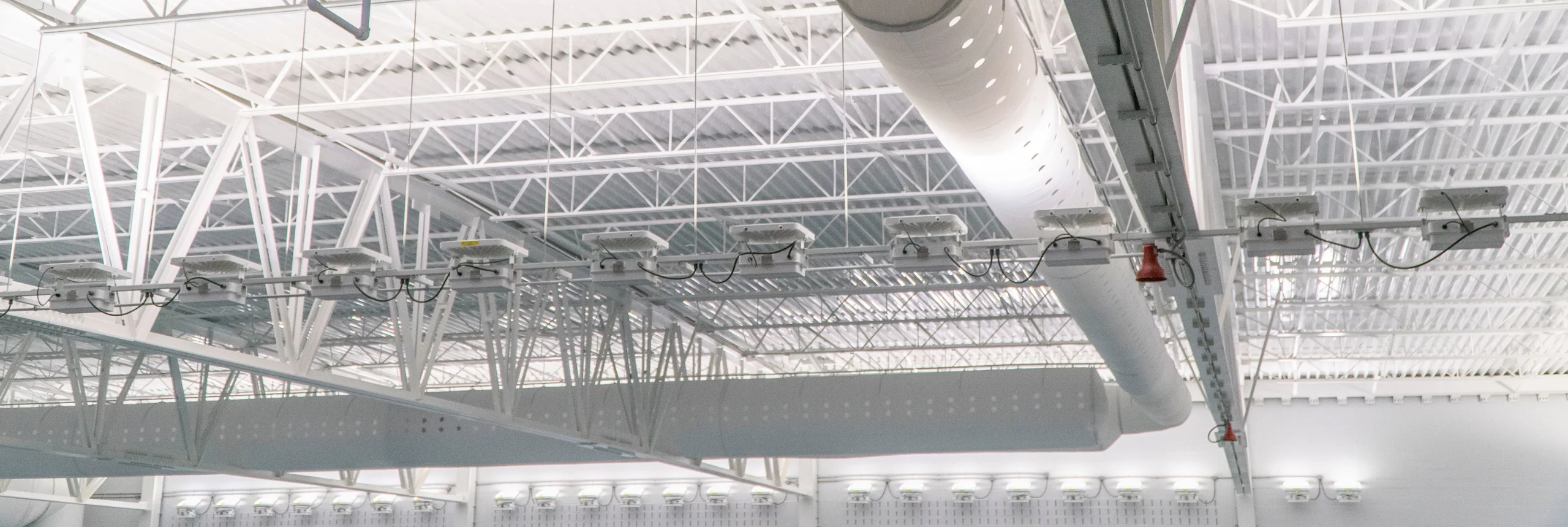
Clean Air Starts Here: How Fabric Ducts Support Healthier Buildings


This article explores how fabric air ducts enhance indoor air quality and hygiene across healthcare, education, and industrial environments. It explains how permeable, washable, and antimicrobial materials prevent condensation, dust buildup, and microbial growth—issues that commonly affect metal duct systems. Readers will learn how fabric air ducting supports cleaner, healthier air circulation, reduces maintenance costs, and improves occupant well-being. The piece highlights applications where hygiene is critical, such as food processing plants, laboratories, and indoor pools, showing how uniform airflow and easy laundering help meet strict regulatory standards. By the end, you’ll understand how fabric air duct technology transforms HVAC systems into cleaner, healthier, and more sustainable air distribution solutions.
The demand for healthy indoor spaces has never been greater. Commercial buildings, industrial facilities, schools, and offices face increasing pressure to maintain superior indoor air quality for occupants. According to the EPA, Americans spend approximately 90% of their time indoors, where pollutant concentrations can be 2-5 times higher than outdoor levels.
At the heart of any healthy building lies its HVAC system — the lungs of the structure that determine how effectively air is filtered, conditioned, and distributed. While traditional metal ductwork has been the standard for decades, fabric air ducting systems (also known as cloth ducting or duct socks) are emerging as a superior alternative for environments where health and hygiene are key concerns.
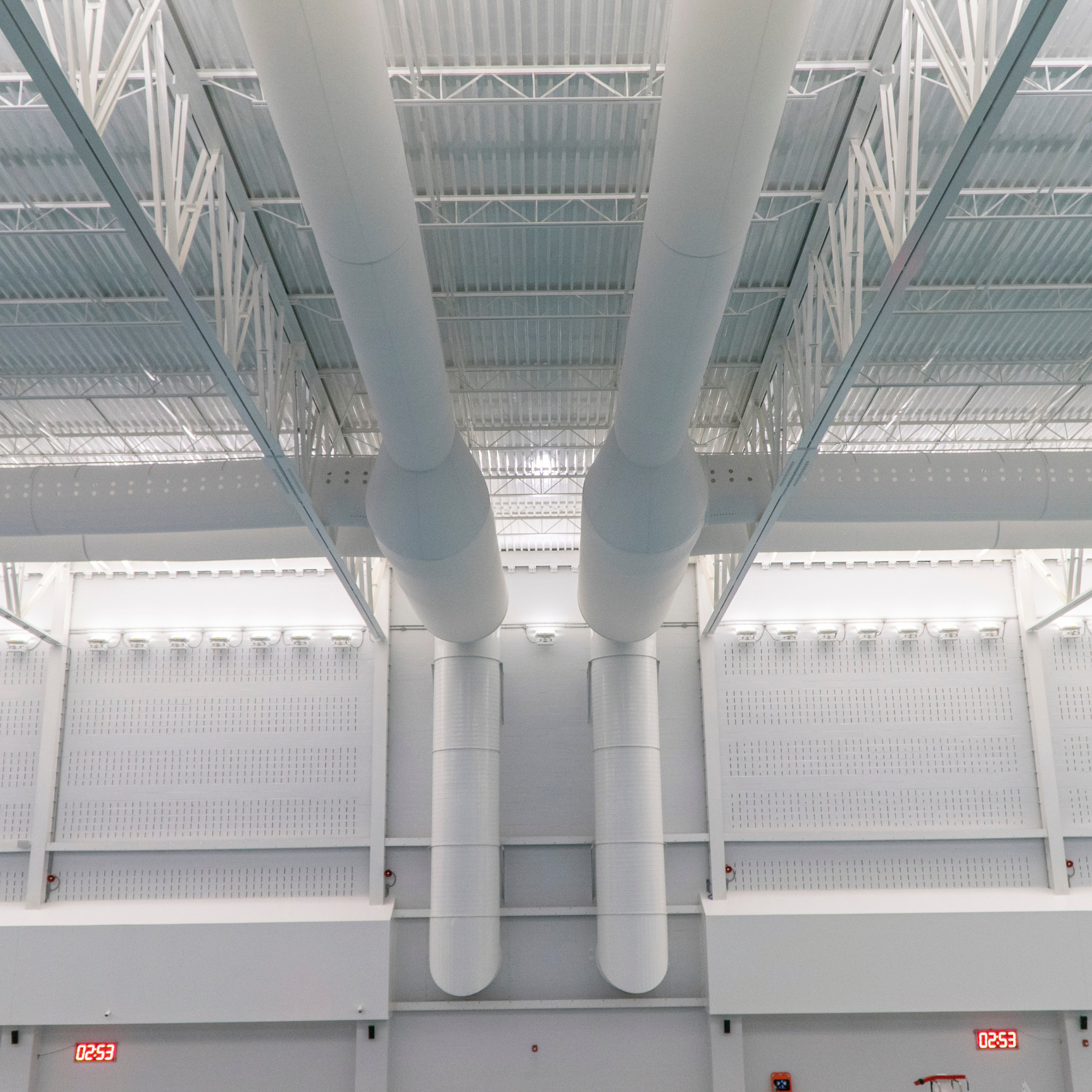
Fabric air ducting doesn’t just move air—it creates healthier indoor environments through unique properties that traditional metal systems cannot match. From preventing condensation and bacterial growth to enabling thorough cleaning through simple laundering, fabric air duct systems represent a significant advancement in indoor air hygiene.
Why Health and Hygiene Matter
Indoor Air Quality (IAQ) directly impacts human health, productivity, and well-being. Poor IAQ has been linked to respiratory diseases, allergies, headaches, fatigue, and decreased cognitive function. Research from the Harvard T.H. Chan School of Public Health found that improved IAQ correlates with 8-11% increases in productivity and up to 40% reductions in sick building symptoms.
According to ASHRAE’s Indoor Air Quality standards 62.1-2019, ventilation systems must not only provide adequate fresh air but must distribute it effectively throughout occupied spaces—a requirement where fabric air ducting demonstrates measurable advantages.
In environments like food processing facilities, healthcare settings, laboratories, and schools, air quality isn’t just about comfort, it’s essential for operational success, regulatory compliance, and occupant health.
Maintaining Hygienic Air Distribution with Metal Duct Systems
Traditional metal ducting systems present several challenges when it comes to maintaining hygienic air distribution.
Dust Accumulation
Dust isn’t just an aesthetic issue — these accumulations can harbor bacteria, allergens, and other contaminants that can be released back into occupied spaces. The National Air Duct Cleaners Association (NADCA) found that dust buildup reduces system efficiency by 25-40%.
Mold and Condensation Risks
Metal surfaces are particularly prone to condensation when the surface temperature drops below the dew point of the surrounding air. Research published in Energy and Buildings demonstrated that metal ducts operating at 55°F in environments above 75°F with 60% relative humidity will consistently form condensation.
Condensation on the surface can also contribute to an increase in microbial growth. According to a study published by MDPI, if the system is contaminated, the air supplied by it may include fungi spores and bacterial colonies.
Cleaning Challenges
Keeping your HVAC system clean is important for lowering energy use and meeting ventilation standards. Cleaning rigid metal duct systems requires skilled labor and special equipment and may not reach connections and seams. Cleaning these systems can be costly due to downtime, the amount of ductwork, labor costs, the accessibility of the ducts, and the overall condition of the ductwork.
How Fabric Air Ducting Promotes Healthy Environments
Permeable Fabric Properties
Unlike solid metal ducts, fabric air ducting systems can be designed with permeable textiles that fundamentally transform air distribution. Research published on ScienceDirect.com demonstrates that porous fabric air ducts create more uniform air velocity profiles throughout occupied spaces.
The porous nature of fabric allows for temperature equilibration that virtually eliminates the risk of condensation forming on the duct surface. The outward airflow through the fabric creates what engineers call a “positive pressure envelope.” This outward pressure gradient prevents dust accumulation on exterior surfaces keeping the duct surface clean and clear.
Launderability and Ease of Cleaning
Perhaps the most significant hygienic advantage of fabric air ducting is its ability to be completely cleaned through standard laundering processes. Fabric air ducts can be laundered in commercial washing machines using standard detergents, which helps to eliminate the majority of common contaminants.
Some facilities choose to purchase a second set of ducts to install during laundering to reduce downtime compared to cleaning methods for traditional metal duct systems.
Antimicrobial and Antistatic Fabrics
Some environments have potential for the growth of microbes on the duct surface which could be hazardous to the health of occupants or materials in the space. Fabrics with antimicrobial treatments can prevent the growth of bacteria to maintain safe indoor air quality that protects people and products in the environment.
Applications with sensitive electronics, flammable substances, or controlled conditions that could lead to electrostatic discharge (ESD) require antistatic solutions. Specially designed antistatic fabric air duct systems include conductive pathways in the fabric structure to prevent the accumulation of static charges.
Antistatic properties and antimicrobial treatments are retained even after repeated laundering, ensuring that the system will have a long lifecycle.
Uniform Air Distribution
Fabric air ducting systems are engineered to provide consistent and uniform airflow throughout a space, enhancing indoor air quality and occupant comfort. Unlike traditional metal duct systems that often rely on discrete diffusers, fabric air ducts utilize their entire surface area and strategically placed perforations or holes to disperse air evenly. This minimizes the occurrence of drafts and hotspots, ensuring a more stable and comfortable environment.
Uniform air distribution provided by fabric air ducting systems not only enhances thermal comfort but also supports better indoor air quality, making them a valuable choice for various applications, including offices, educational institutions, and healthcare facilities.
Applications Where Hygienic HVAC Airflow Is Critical
Food & Beverage Processing
Fabric air duct systems are well-suited to food and beverage environments where hygiene, temperature control, and ease of cleaning are essential. Their permeable, washable materials help reduce condensation and support more consistent product temperatures. Facilities using fabric air ducting often report fewer air quality issues and more stable conditions across storage and processing zones. Additionally, the ability to regularly launder fabric air ducts supports compliance with sanitation standards and may reduce the risk of airborne contamination compared to traditional metal systems.
Healthcare & Laboratories
Fabric air ducting supports hygienic air distribution in healthcare and pharmaceutical settings where pressure control, cleanliness, and air quality are critical. The consistent, even airflow and ability to maintain pressure differentials make it suitable for surgical suites, isolation rooms, and cleanrooms. Facilities also benefit from energy efficiency and easier cleaning compared to rigid metal systems.
Indoor Pools (Natatoriums)
In high-humidity pool environments, fabric air ducting helps reduce condensation risk and corrosion, offering better durability than metal alternatives. Fabric air ducts can lower maintenance costs and quieter operation, improving comfort for swimmers and spectators alike. The system’s permeable surface also supports better humidity control and air mixing.
Grow Rooms
Precision air distribution is vital in indoor agriculture to maintain ideal growing conditions. Fabric air ducting provides consistent temperature and humidity levels while supporting disease prevention through better airflow and reduced condensation that can lead to mold. Growers often report improved yields and healthier crops with fabric-based systems.
Education & Public Spaces
Fabric air duct systems support healthy learning environments by improving air mixing and reducing allergens. Their quiet operation and cleanable surfaces make them a strong fit for schools, libraries, and community centers. Improved ventilation in these settings is often linked to better academic performance and lower absenteeism.
Regulatory and Certification Considerations
Fabric air ducting systems are designed to meet numerous standards and certifications including ISO, OEKO-TEX, and more. Properly designed fabric air ducting systems can achieve air change effectiveness values well above the minimum ASHRAE 62.1 requirement.
Independent verification confirms that fabric air ducting can support environments from ISO Class 8 down to ISO Class 5 when properly designed and maintained, meeting requirements for pharmaceutical and semiconductor manufacturing.
OEKO-TEX® Standard 100 certification ensures fabrics are free from harmful substances, with testing verifying levels below 100 parts per billion for regulated chemicals. Similarly, UL 2518 testing confirms that fabric air dispersion systems meet safety standards for flame spread and smoke development.
European fire safety classification EN 13501-1 testing demonstrates that quality fabric air ducting achieves Class B-s1,d0 ratings, indicating limited contribution to fire, minimal smoke production, and no flaming droplets.
Comparing Fabric Air Ducting vs. Metal for Hygiene-Sensitive Spaces
Cleaning and Maintenance
The frequency of cleaning or maintenance for fabric air ducting systems varies depending on the application and conditions of the environment. Fabric air ducts can be cleaned 1-4 times annually, while metal systems typically receive professional cleaning every 3-7 years despite recommendations for more frequent maintenance. Fabric air duct surfaces can achieve complete contaminant removal after laundering, while mechanical cleaning of metal systems typically reached only 70-85% of surfaces.
Weight and Installation
Fabric air ducting systems are significantly lighter than insulated metal ductwork, often requiring less structural support. Their low weight and simplified suspension systems allow for faster installation, commonly reducing labor time by 30-50% compared to traditional duct systems.
Condensation Performance
In humid environments, fabric air ducts resist surface condensation thanks to their breathable, temperature-balancing materials. Unlike metal ducts, which are prone to sweating when supply air is colder than ambient conditions, fabric air ducts maintain a dry surface and support consistent humidity control.
Material Longevity
There is an assumption that fabric air ducting has a shorter lifespan than metal due to the lightweight, simple materials, however, with proper maintenance and cleaning, the lifespan of fabric can be the same as a metal system. Total lifecycle costs are often lower as well — fabric air ducting systems can cost 30-40% less than comparable metal systems when accounting for material, labor, and downtime expenses.
Design Best Practices for Clean, Healthy HVAC Systems
Collaborative Early Planning
- Include HVAC engineers, architects, and facility operators in initial design discussions
- Projects with collaborative design typically have fewer post-installation modifications
- Consider maintenance requirements and access during architectural planning
- Evaluate specific hygiene requirements for the facility’s use case
Fabric Selection for Specific Environments
- Food Processing: Choose antimicrobial fabrics with high laundering durability
- Healthcare: Select microbe-resistant materials with controlled porosity for pressure management
- Laboratories: Precise airflow control and antistatic options for ESD protection
- Natatoriums: Corrosion-resistant materials and no evaporation while removing chloramines
- General Commercial: Lightweight, fire-retardant fabrics with aesthetic options
Proper Pressurization and Positioning
- Calculate system static pressure requirements accounting for fabric porosity
- Consider room height and activity type when determining mounting height
- For standard offices, optimal mounting placed duct centerline at 7.5-9 feet above floor
Installation with Maintenance in Mind
- Simple hanging options ensure quick removal
- Systems with accessible suspension can reduce maintenance and downtime
- Consider purchasing backup systems for laundering periods
- Train maintenance staff on proper removal and installation procedures
Fabric air ducting offers compelling advantages for creating healthier indoor environments. The unique properties of fabric air ducting—permeability, launderability, antimicrobial options, and uniform air distribution—directly address the hygiene challenges that compromise indoor air quality in conventional HVAC systems.
For environments where health and hygiene are paramount concerns, fabric air ducting provides quantifiable benefits: eliminated condensation, reduced microbial growth, more effective cleaning procedures, and superior air distribution patterns. These advantages translate into healthier occupants, protected products, and more efficient operations.
The success of fabric air ducting installations hinges on proper design, appropriate fabric selection, and regular maintenance. By working with experienced manufacturers and following industry best practices, building owners can leverage fabric air ducting technology to create indoor environments that not only meet today’s stringent air quality standards but exceed expectations for occupant health and comfort.
Additional Information
Best practices for designing HVAC systems for food processing facilities
Get valuable content first
Enter your email and be among the first to get tips and articles from our experts about HVAC industry topics.