







Smarter Air.
Fabric-engineered.
FabricAir designs and manufactures fabric-based air distribution systems that deliver uniform airflow, superior energy efficiency, and unmatched installation flexibility for every environment.
Supply & Return Air Systems
Fabric Air Duct System
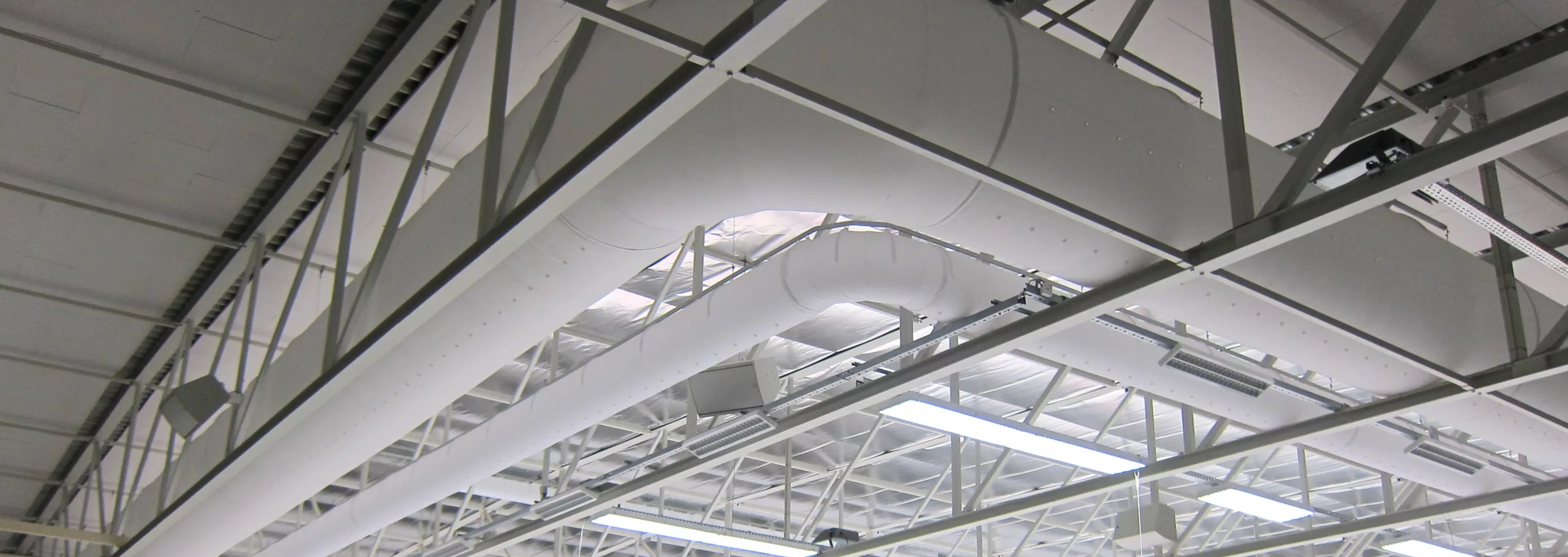
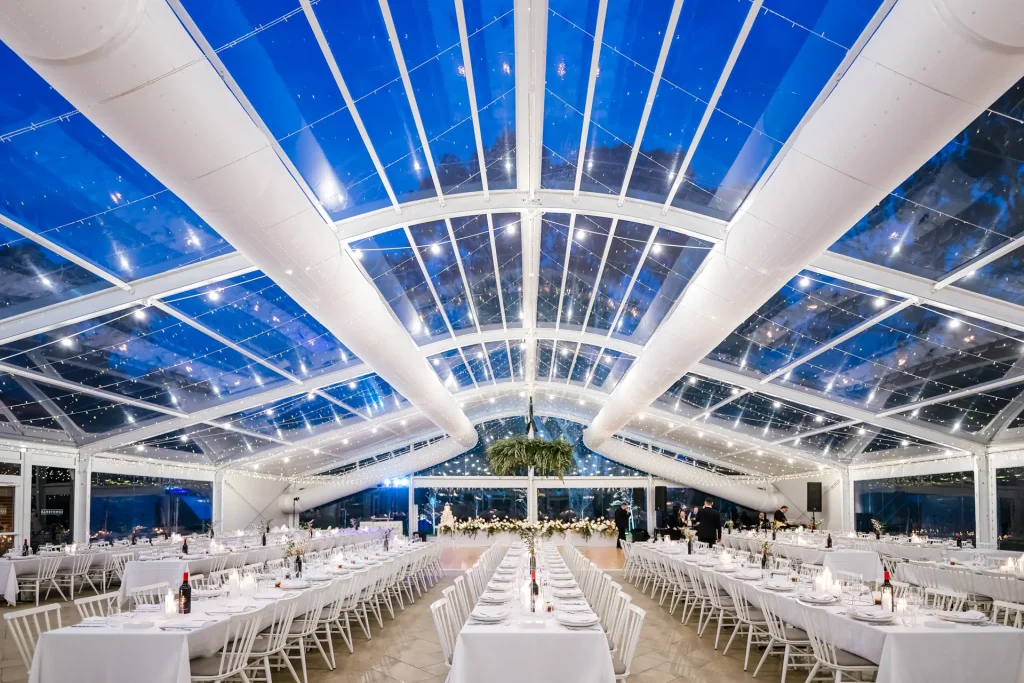
FabricAir air duct systems are custom-engineered to deliver conditioned air precisely where it is needed, combining tailored duct profiles, fabrics and flow models for comfortable, draft-free air distribution.
- Custom-engineered airflow for each application
- Wide range of duct profiles, fabrics and flow models
- Lightweight construction for fast, easy installation
- Comfortable, draft-free air distribution
- Quiet operation with reduced condensation risk
Return Air System
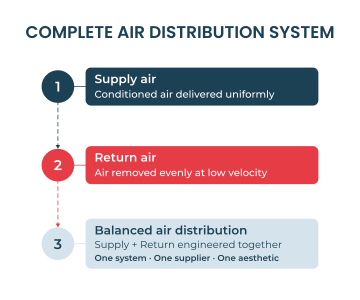
FabricAir engineers complete system designs that integrate both supply and return air systems in a single coordinated fabric layout — one supplier, one aesthetic, full climate control. The return air system balances the supply system by removing warm, humid, or contaminated air from the occupied zone at low velocity, eliminating turbulence and maintaining consistent indoor conditions.
Fabric Diffusers
Ceiling Diffuser
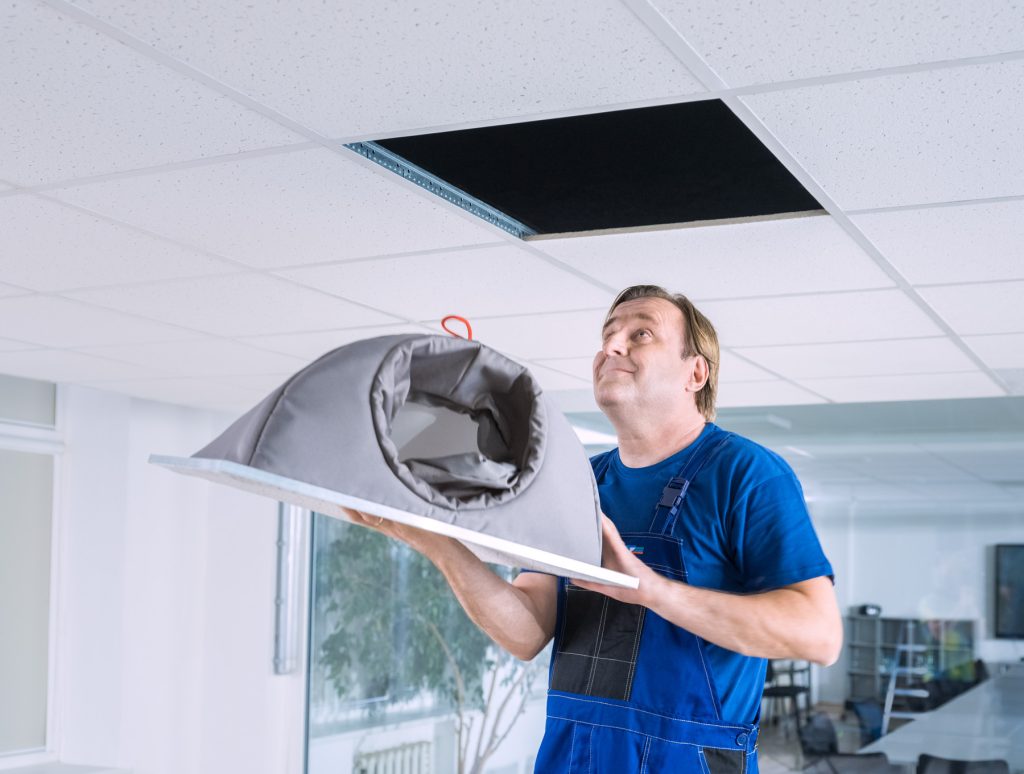
A lightweight fabric ceiling diffuser designed for drop-in installation in T-profile suspended ceilings. Delivers quiet, draft-free and well-balanced air distribution while integrating seamlessly into the ceiling design.
- Drop-in design for quick, tool-free installation
- Suitable for supply and extract air
- Designed for cooling and isothermal conditions
- Available in multiple colors and custom prints
Application-Specific Solutions
Defrost Duct for Cold Storage
Dual-Mode Airflow System
Why choose FabricAir?

Standard lead times run 14-21 days to Canada – with 99.7% of orders arriving on schedule.
FabricAir operates its own R&D and Materials Testing Lab. Where extra confidence is required, the FabricAir® CFD Service goes further, verifying airflow patterns, velocities, and temperature distribution before installation.
Over 95% of FabricAir customers in Canada return for future projects. With 17 subsidiaries and a presence in 120+ countries, you get local support backed by a globally consistent, high-quality product.
We have the experience and the know how to guide you through the project
FAQ about Fabric Air Distribution Systems
Fabric HVAC duct systems are textile-based air distribution solutions designed to replace traditional metal duct systems in heating, cooling, and ventilation applications. Instead of using rigid metal ducts and diffusers, fabric ducts distribute conditioned air through engineered textile materials that provide uniform and draft-free airflow.
Fabric duct systems are lightweight, customizable, and designed to improve indoor comfort, HVAC efficiency, and climate control across commercial, industrial, and specialized environments. They are commonly used in warehouses, retail spaces, food production facilities, sports halls, cold storage environments, vertical farms, and livestock ventilation systems.
The most reliable HVAC climate control system is one that is properly engineered for the specific building, airflow requirements, and operating environment. Reliability depends on factors such as airflow performance, energy efficiency, maintenance requirements, indoor comfort, and the ability to maintain stable climate control over time.
For many commercial and industrial HVAC applications, fabric air distribution systems are considered a reliable alternative to traditional metal duct systems because they provide uniform airflow, reduced condensation risk, simplified maintenance, and flexible airflow design. Fabric HVAC systems are especially effective in environments such as warehouses, food production facilities, sports halls, cold storage, vertical farming, and livestock ventilation where consistent airflow and indoor climate control are essential.
The best HVAC climate control solution should always be selected based on the facility’s operational needs, hygiene requirements, heating and cooling strategy, and long-term maintenance expectations.
HVAC climate control systems that reduce pressure loss, optimize airflow distribution, and deliver conditioned air more efficiently typically provide the greatest energy savings. Fabric air distribution systems are widely recognized as one of the most energy-efficient alternatives to traditional metal duct systems because they require lower fan power and provide more uniform airflow performance.
Fabric HVAC systems can help reduce energy consumption through:
Lower pressure loss in the HVAC system
More efficient and even air distribution
Reduced fan energy requirements
Improved thermal performance
Fewer hot and cold zones
Optimized heating and cooling airflow strategies
According to FabricAir, engineered fabric duct systems can reduce HVAC energy consumption by more than 40% compared to conventional metal ductwork in certain applications.
The actual energy savings depend on factors such as building layout, HVAC design, airflow requirements.
Dual-mode airflow is an HVAC air distribution technology designed to optimize airflow performance for both heating and cooling operation modes. A Dual-Mode Airflow Duct System adjusts how air is distributed depending on seasonal or operational conditions to maintain consistent indoor comfort and efficient climate control.
During cooling, air is typically delivered at low velocity for uniform and draft-free air distribution. During heating, airflow patterns are adjusted to improve air mixing and thermal distribution throughout the occupied space. Dual-mode airflow systems help improve HVAC efficiency, occupant comfort, and year-round climate control performance in commercial and industrial environments.