








What is the difference between fabric ducts, air socks, and sox?


This article explores the different terms used for fabric air duct systems—such as duct socks, air socks, and textile ducts—and clarifies their shared meaning in HVAC applications. You’ll learn how fabric air dispersion technology offers cost-effective, energy-efficient, and design-flexible alternatives to metal ductwork. It highlights how lightweight, antimicrobial textiles deliver uniform airflow, reduce installation time, and improve indoor comfort. By the end, you’ll understand that no matter the name, fabric air ducting represents the same innovative solution that enhances air quality, sustainability, and efficiency for modern commercial and industrial projects.
Fabric air dispersion systems, often referred to by various names such as duct sox or socks, air socks, fabric air ducts, and textile air ducts, represent a modern and efficient alternative to conventional sheet metal ductwork in HVAC applications. The abundance of terminology stems from regional variations and historical contexts, but it’s essential to recognize that these terms all describe the same innovative technology.
Fabric air duct systems offer numerous advantages over traditional ductwork, including cost-effectiveness, energy efficiency, and unparalleled design flexibility. They deliver precise airflow distribution and elevate indoor air quality while minimizing energy consumption and reducing installation time and costs. When selecting a fabric air duct system for your project, it’s crucial to partner with a reputable manufacturer with a proven track record of excellence and customer satisfaction. By choosing a trusted industry leader, HVAC designers, engineers, and architects can ensure optimal performance, reliability, and satisfaction with their fabric air dispersion solution.
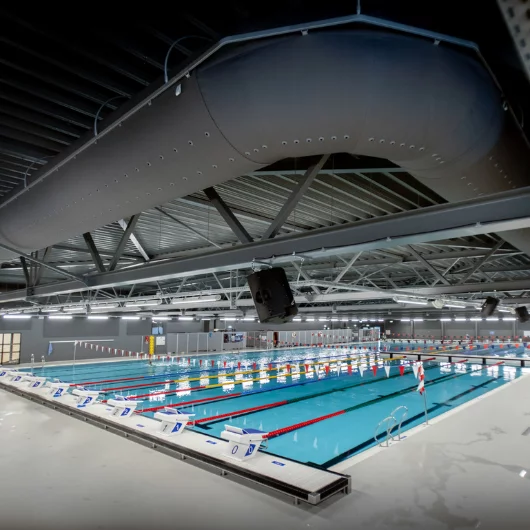
Cutting Costs and Boosting Efficiency with Fabric Air Dispersion
Fabric air duct systems offer HVAC designers, architects, and engineers a versatile and efficient solution for both new construction projects and retrofit applications, serving as a compelling alternative to traditional sheet metal ductwork. Their inherent flexibility and lightweight construction allows for seamless integration into various architectural designs and existing structures, providing unparalleled adaptability to meet specific project requirements.
One of the primary advantages of fabric air duct systems is their cost-effectiveness, stemming from reduced material and labor costs compared to metal ductwork. Furthermore, fabric air ducts boast superior energy efficiency, thanks to their compact nature and ability to distribute airflow precisely, minimizing pressure drops and energy consumption. Additionally, fabric air duct systems offer unmatched design flexibility, allowing for custom shapes, colors, and configurations to suit any aesthetic or functional requirement. These unique advantages make fabric air duct systems an ideal choice for HVAC designers seeking innovative solutions that prioritize efficiency, cost-effectiveness, and design adaptability in their projects.
Understanding Fabric Air Duct Terminology
Fabric air dispersion systems are known by various names, including duct socks or sox, air socks, fabric air ducts, and textile air ducts, reflecting regional variations and historical contexts. For example, in Europe, these systems are often referred to as textile air ducts, whereas in North America, terms like fabric air ducts or duct sox are more common. Despite the diverse terminology, it’s essential to understand that these names all denote the same innovative technology: fabric duct systems.
These systems are made from high tech fabrics that efficiently distribute airflow in a variety of HVAC applications. The fabrics are available with a variety of features depending on the application. Cleanrooms and food processing facilities benefit from washable, antimicrobial fabrics that ensure hygiene and safety. Some fabrics are also flame retardant that burn slowly and are do not spread fires. Additionally, fabric air duct systems are lightweight and easy to install without specialized tools or skilled labor, reducing installation time and costs. Fabric air ducts also offer acoustic performance benefits, minimizing noise levels in indoor environments.
Making the Right Choice: Viability Over Vocabulary
Choosing the right solution for fabric air dispersion systems is essential to ensure the success and efficiency of your HVAC project. While the name of the system may vary, it’s crucial to prioritize effectiveness and functionality over lingo to ensure that the system meets the needs of the space.
Factors such as customer satisfaction, delivery times, and innovation play a significant role in choosing the right manufacturer. Opting for a manufacturer who prioritizes customer satisfaction and delivers on time ensures a seamless project timeline and minimizes disruptions. Furthermore, innovation is key in staying ahead of the curve and adopting cutting-edge solutions that meet evolving industry standards and client needs. By partnering with a reputable manufacturer who is the preferred choice for discerning HVAC designers, architects, and engineers can be confident in the quality, reliability, and performance of fabric air dispersion systems for their projects.
Regardless of terminology, fabric air duct systems offer superior solutions with innovative technology. Fabric air duct systems represent a modern and efficient solution for HVAC air distribution, offering numerous benefits, including draft-free air distribution, which enhances comfort and indoor air quality for occupants. Therefore, the name of the system is secondary to its effectiveness and functionality, ensuring clarity and consistency in communication and decision-making processes.
Choosing a reputable manufacturer with a proven track record of excellence, customer satisfaction, and innovation in delivering fabric air duct systems is essential. Fabric air duct systems can lead to optimal outcomes in terms of cost-effectiveness, energy efficiency, design flexibility, and overall comfort. By partnering with a trusted industry leader, you can elevate your HVAC projects and satisfaction with fabric air duct solutions.
Additional Information
Fabric vs metal ducting – 4 key differences
CASE STUDY: Greek Restaurant, Jī-Rōz
Reimagining HVAC: Benefits and Applications of Fabric Air Ducts



Get valuable content first
Enter your email and be among the first to get tips and articles from our experts about HVAC industry topics.