


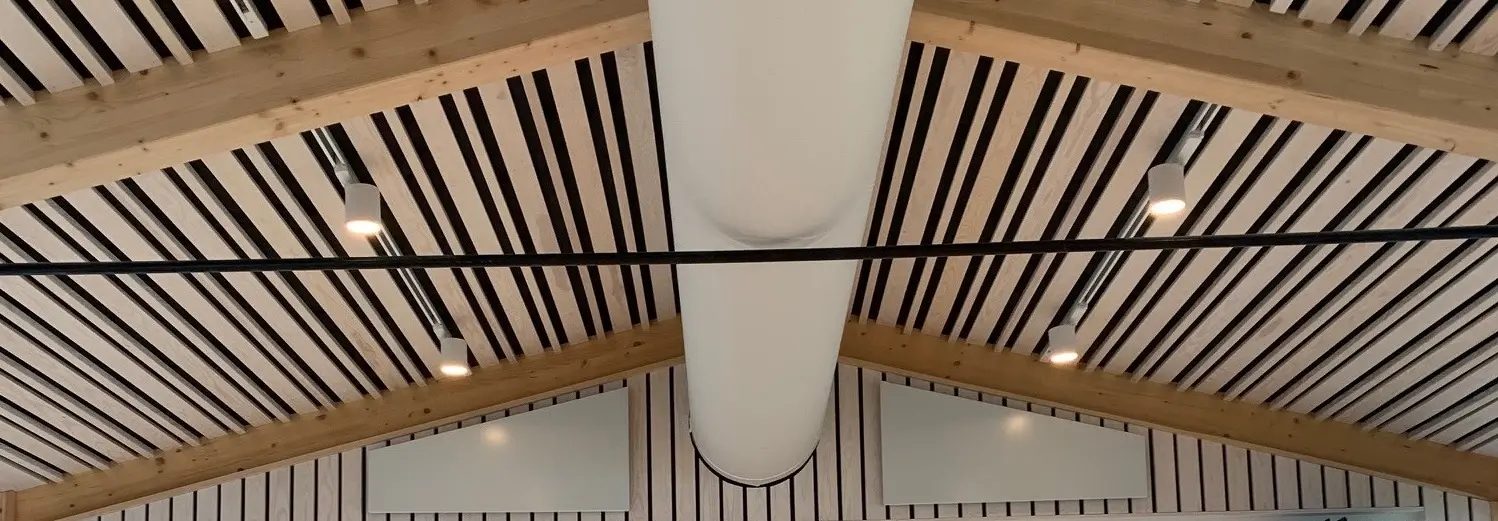
Barn Ventilation Without Renovation
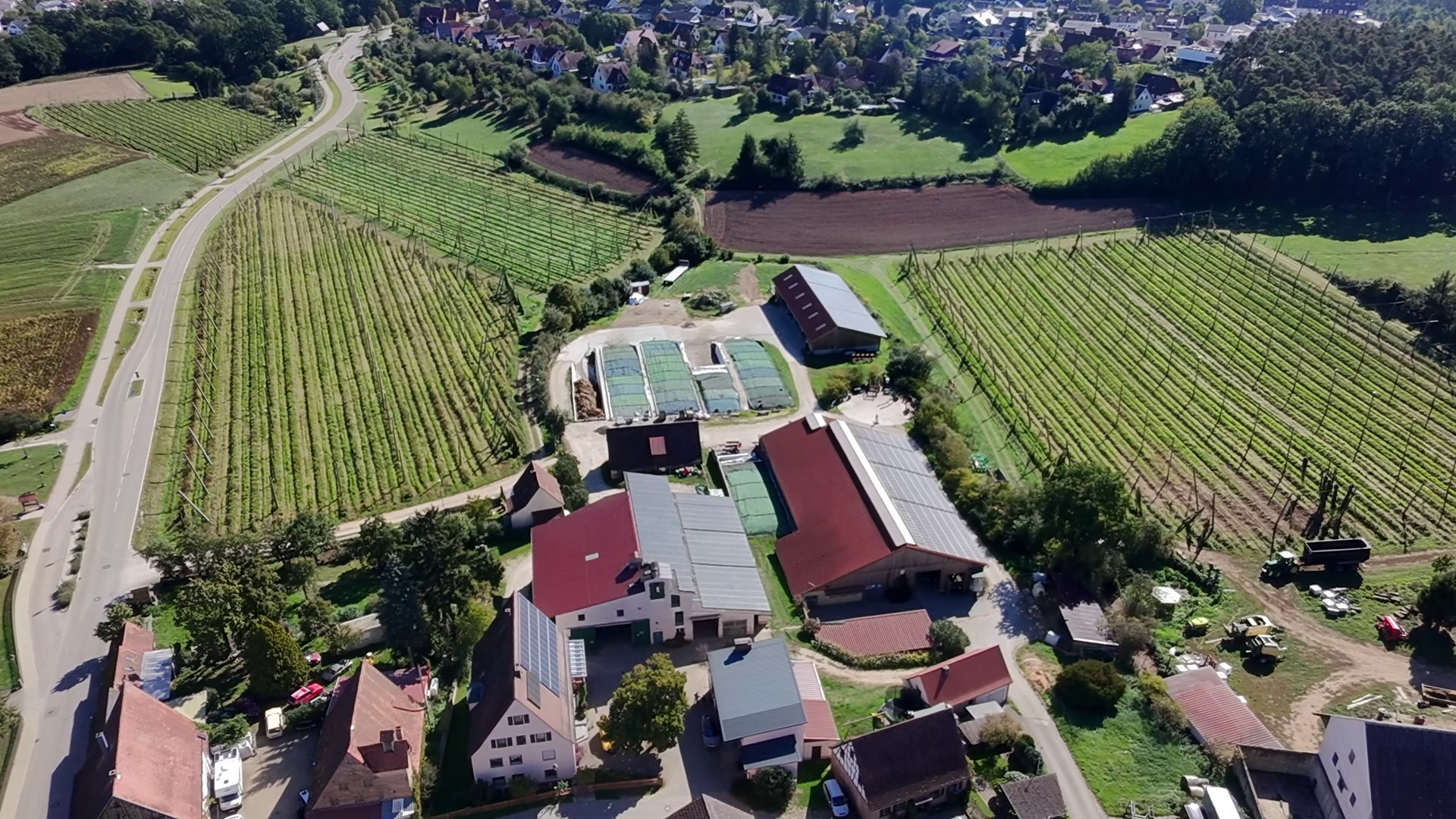
The Bergmann farm in Georgensgmünd, Germany, is a family farm where many activities take place. Among its buildings is an old barn that houses the calves. When the family noticed the calves were not doing well, they wanted to improve their living conditions.
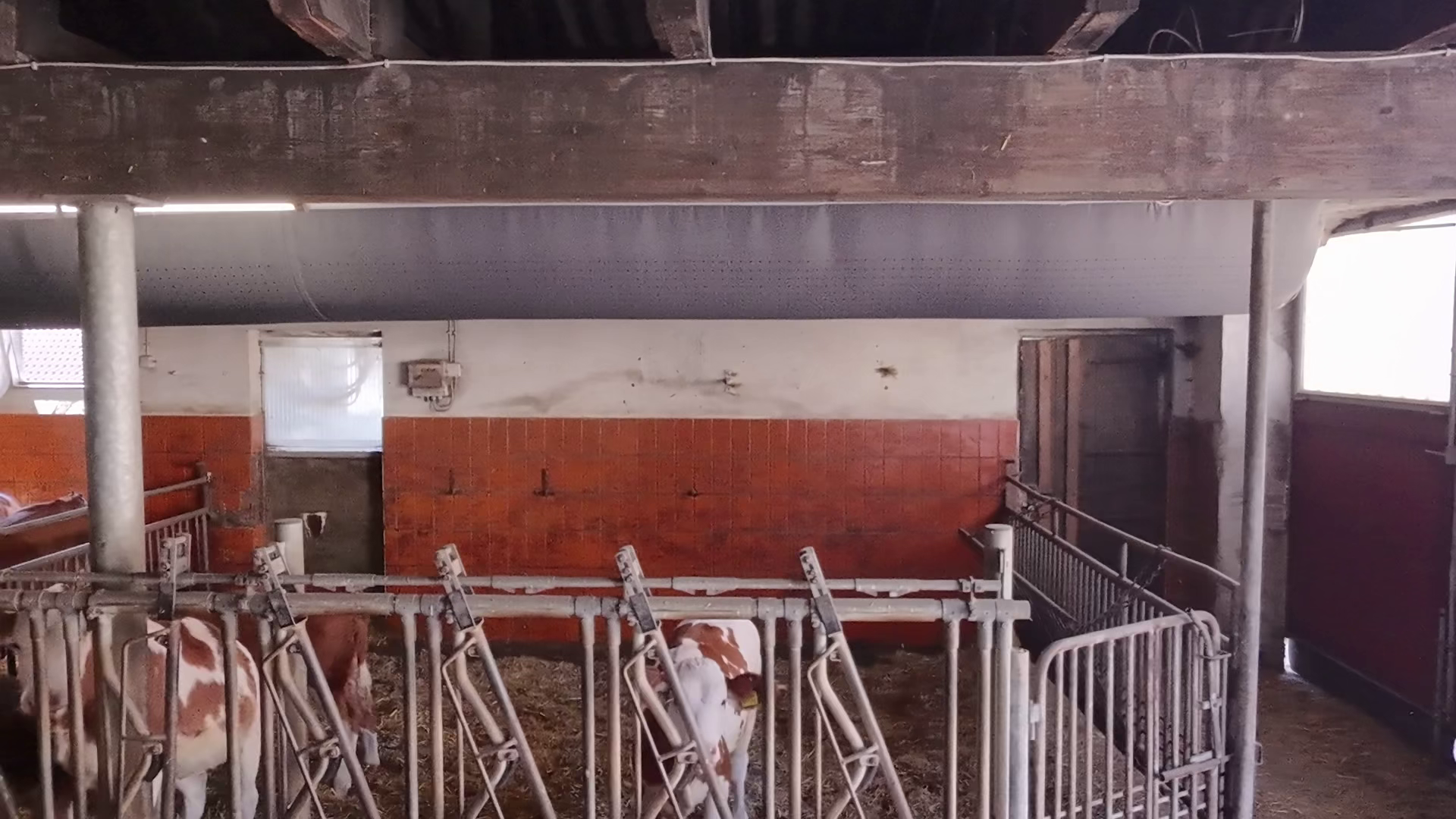
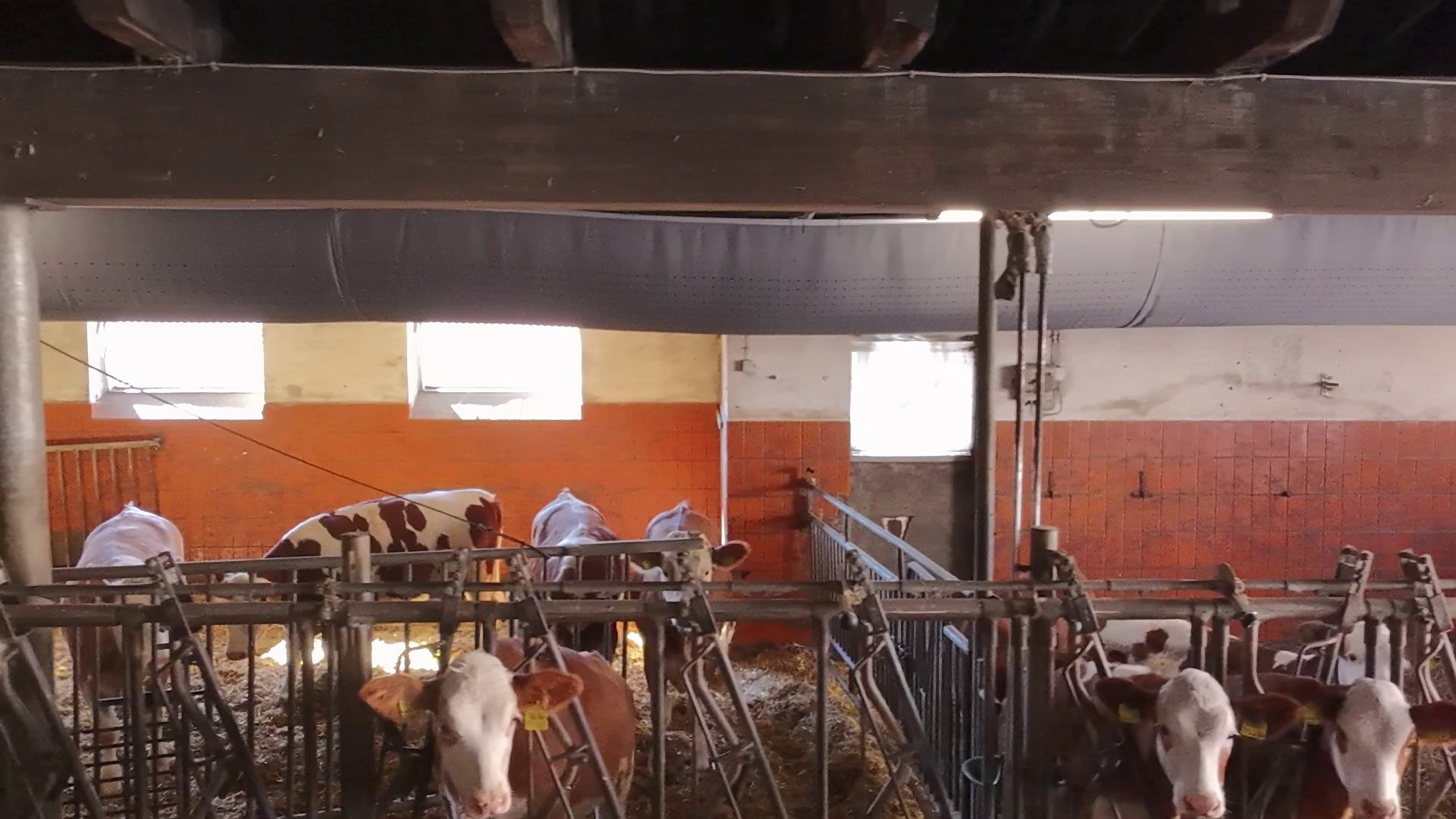
With ClimaBarn, FabricAir offered a barn ventilation solution able to protect the health of the calves and to adapt to the older building in a simple way, without any renovation work.
Background
The Bergmann farm is a three-generation family business with dairy farming at its core. Its Fleckvieh herd comprises around 80 milking cows, and the farm rears its own calves on site.
Alongside dairy, the family runs crop farming, poultry, asparagus and forestry. Much of the feed, including grass, alfalfa, corn and grains, therefore comes from the farm itself or from regional production. The same logic continues at the farm store, Bergmanns Hoflädele, where the family sells its own milk, cheese and beef directly.
Regional cycles, direct sales and animal welfare define how the farm operates. For a business built on these principles, the health of its youngest animals is a clear priority.
The Challenge
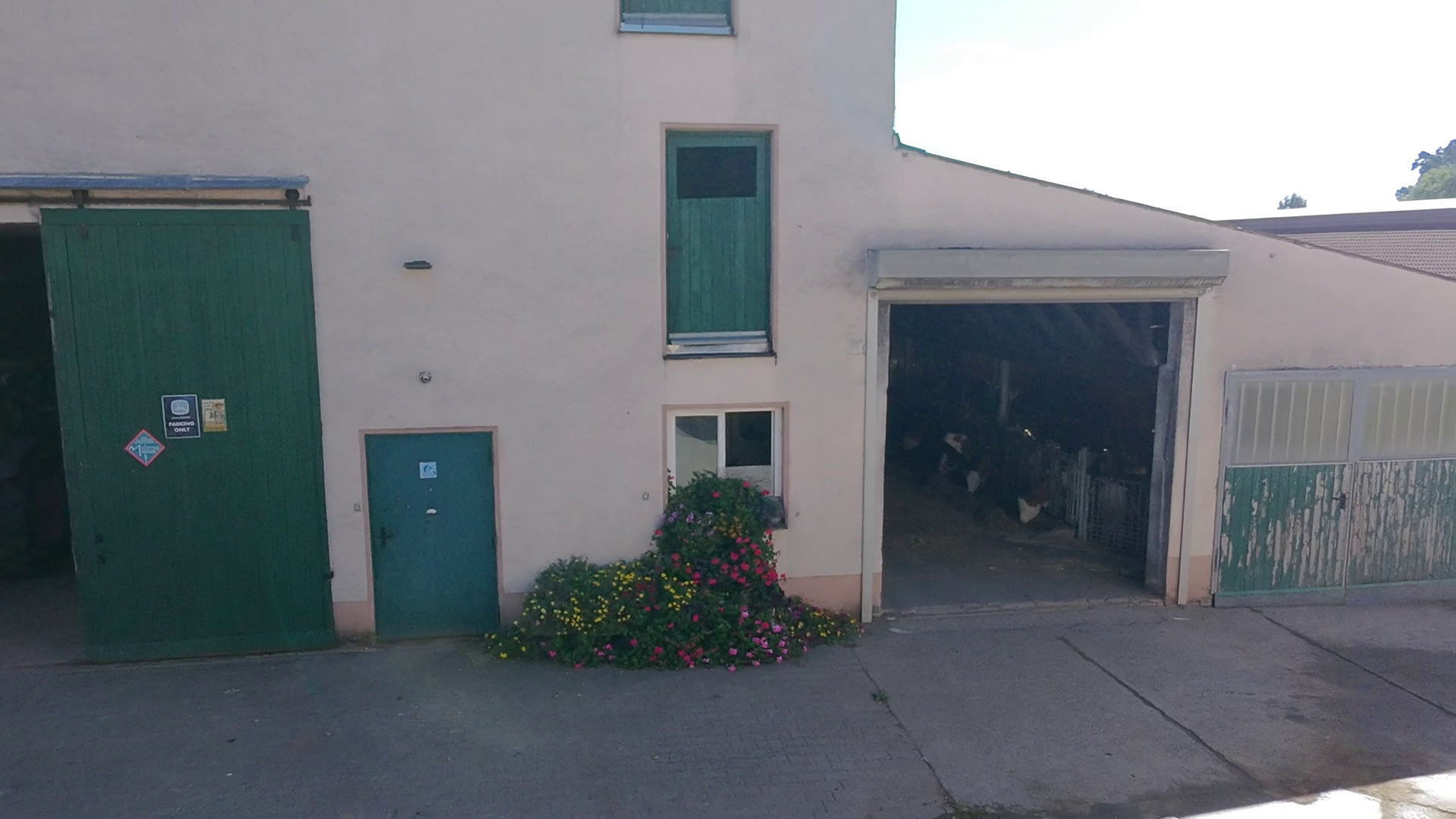
In the calf barn, however, that priority faced a structural problem. The 20 to 25 calves lived in a very old building that had never had a mechanical ventilation system installed, so nothing renewed the air inside.
As a result, the indoor climate depended entirely on the season. In summer, too much heat built up inside the barn. In winter, with everything closed, humidity accumulated instead. Meanwhile, the poor indoor air quality made the calves cough constantly and fall sick.
This pattern is well documented in livestock housing. According to a review on calf health, inadequate ventilation lets humidity, noxious gases, dust and bacteria build up, raising the risk of respiratory disease. Such setbacks increase treatment costs and can affect performance into the first lactations. In adult cows, heat stress adds a further risk, reducing feed intake and cutting milk yield by 15 to 40%. Good ventilation therefore protects animal welfare first and, through it, production.
The Solution
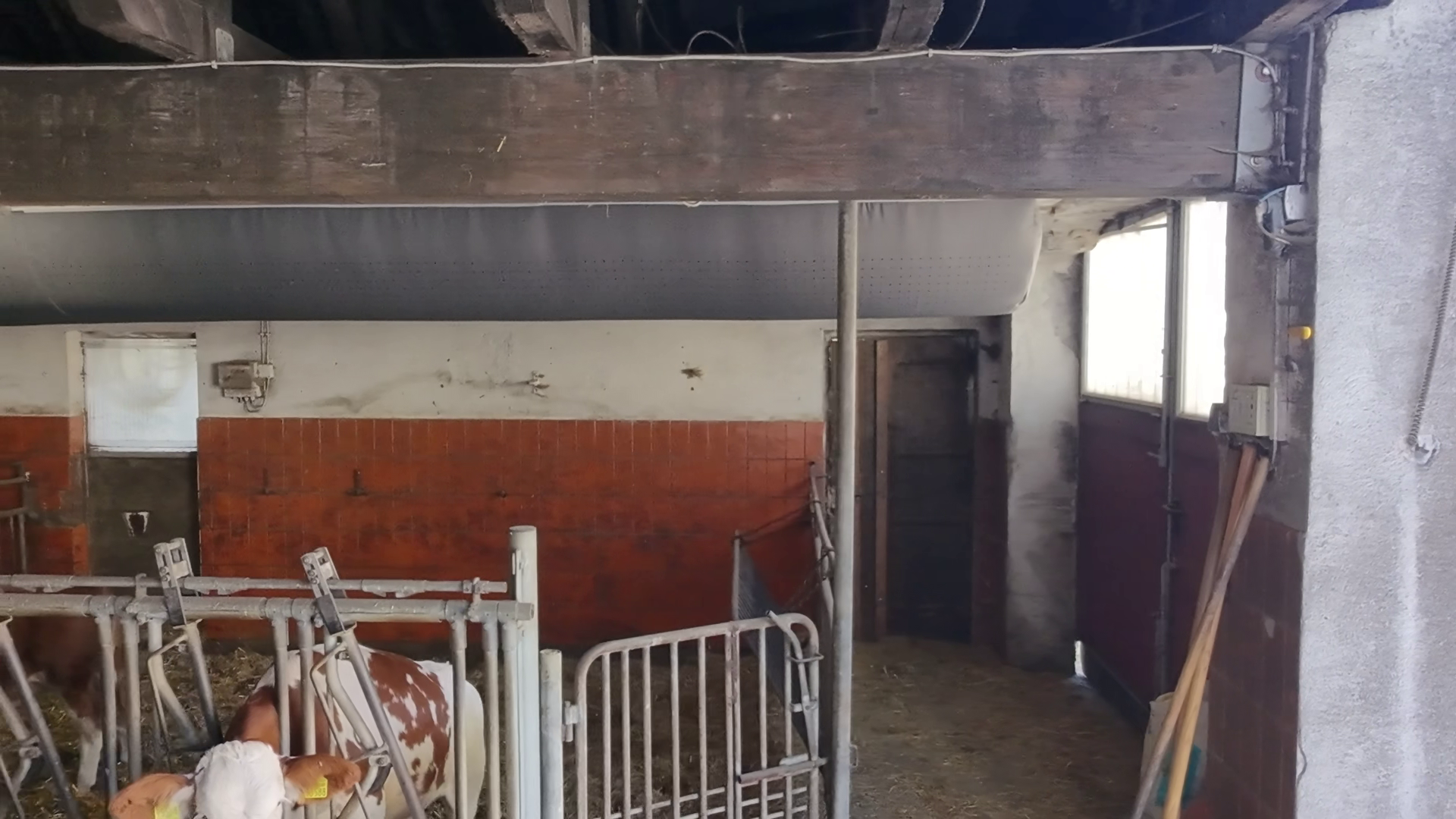
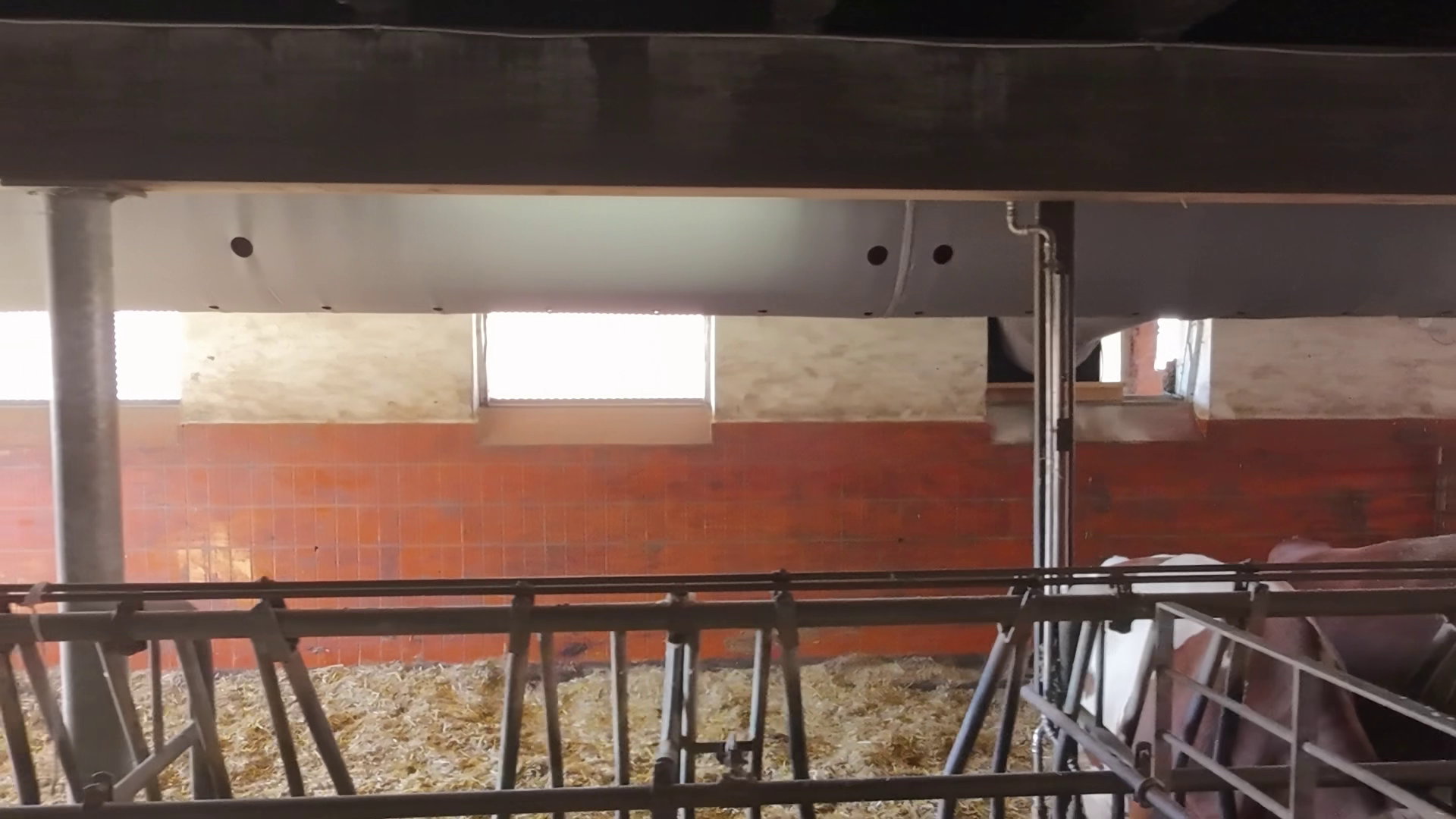
To change these conditions, FabricAir planned and installed a completely new barn ventilation system in the old building. Like every FabricAir system, it combines four elements: profile, fabric, flow model and suspension.
The system uses half-round fabric ducts made of Combi 60, a permeable, washable and fire-retardant fabric. Air leaves the ducts through PerfoFlow, a surface flow model that distributes air through micro-perforations across a large share of the duct surface. Like other surface flow models, it prevents condensation around the duct and keeps dust from settling on it. Finally, a Type 11A suspension with rapid slides holds the ducts in place.
Designed for Barns, Including Older Ones
This combination reflects how ClimaBarn was conceived. Because it is designed specifically for barns, the system adapts well to older buildings like this one, even those never planned for climate control. It brings controlled ventilation into an existing structure without renovation work, a large investment or a long project.
Installation is equally straightforward. Together with other factors, the lightweight fabric ducts and the suspension system facilitate a quick and simple process. For farms with older buildings, barn ventilation thus becomes a realistic upgrade and an option their ceilings can handle, with minimal load added to the structure.
On the other hand, this simplicity is fully compatible with the expertise, quality and results that FabricAir offers after more than 50 years in the HVAC business. In fact, the family chose the system precisely because of the specialized knowledge and the trust that our team conveyed.
Benefits for Animal Wellbeing and Production
With the new system in operation, the old barn now keeps the cows and calves comfortable and safe. The family expects the impact to show in three areas:
- Calf health: Controlled ventilation now renews the stale air that made the calves cough. As a result, the family expects fewer cases of illness in the barn.
- Climate in every season: The barn now receives ventilation in summer and in winter. This tackles both the heat and the humidity that caused problems before.
- Future production: Respiratory problems in calves can affect their later performance. By protecting calf health today, ClimaBarn helps safeguard the future productivity of the herd.
At the Bergmann farm, ClimaBarn gave an old barn the climate that young animals need, without building anew.
Learn more about ventilation in the calf barn.
Contact our experts for a free assessment.
FAQs
Ventilation continues in winter, when the barn stays closed and humidity tends to build up. In addition, surface flow models such as PerfoFlow prevent condensation around the duct and keep dust from settling on it.
Related terms: condensation, winter ventilation, PerfoFlow, ClimaBarn FAQ
Yes. ClimaBarn is designed specifically for barns and adapts to older buildings that were never planned for climate control. The lightweight fabric ducts add minimal load to the structure, so the Bergmann farm needed no renovation work.
Related terms: retrofit, old buildings, barn ventilation
Every system combines four elements: profile, fabric, flow model and suspension. At the Bergmann farm, these are half-round ducts in Combi 60, the PerfoFlow flow model and a Type 11A suspension with rapid slides.
Related terms: Combi 60, half-round ducts, suspension systems, contact our experts
Installation by the FabricAir team is part of the standard offering, and it typically takes one to two days, depending on project size. At the Bergmann farm, FabricAir both planned and installed the system. In a different farm in Austria, the familiy installed the system themselves.
Related terms: installation, project planning, ClimaBarn FAQ


