


3 ways IAQ supports quality meats


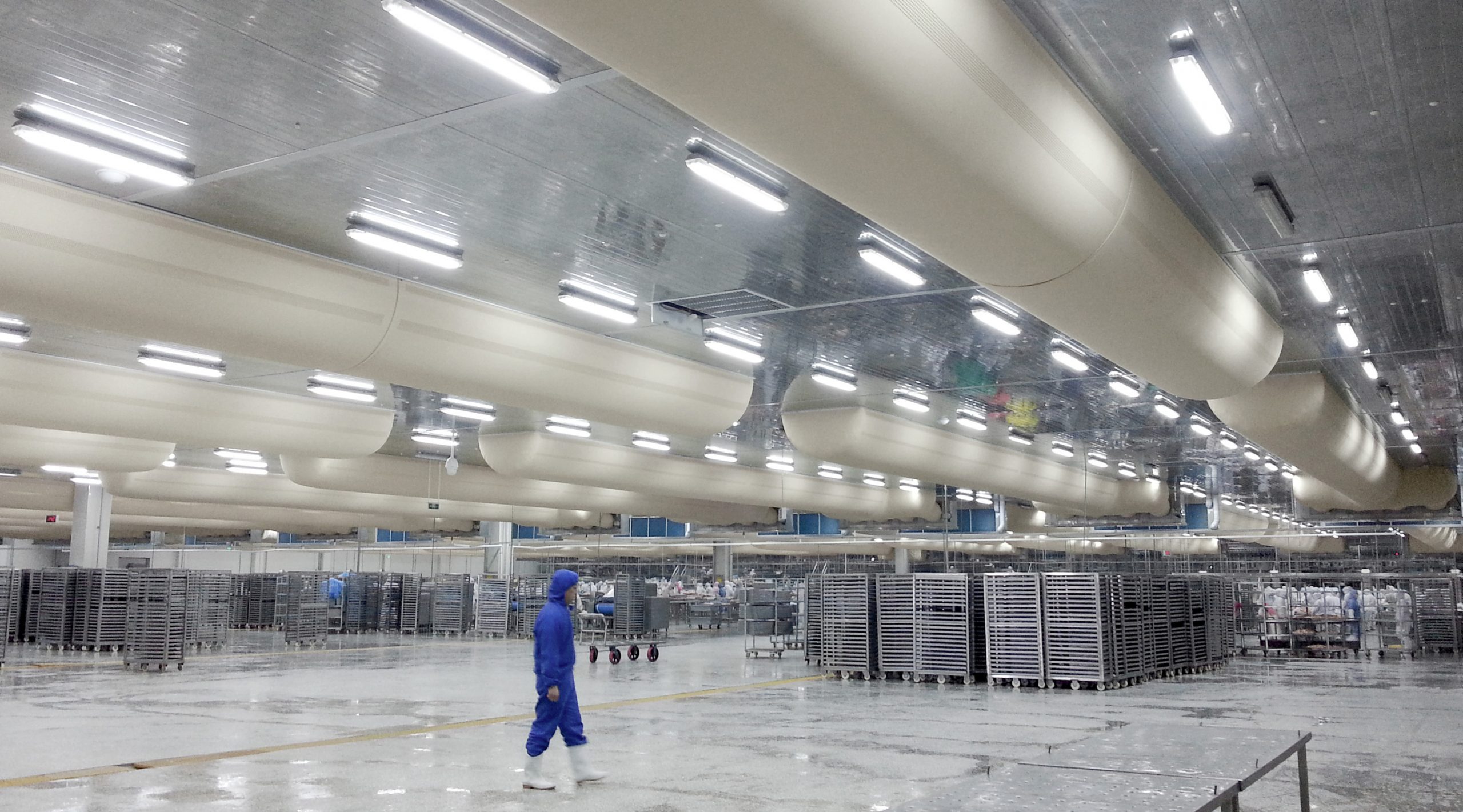
Food processing industry experts know there are many factors in play in order to deliver the best quality meats for their clients. While efficient air distribution in food production facilities is a key to optimizing conditions and ensuring product safety, it also improves worker comfort. Optimal air dispersion design ensures ideal performance while creating a comfortable and healthy work environment.

Fikret Sahin
Vice President & Director of Sales, MENA, Africa, India, & Asia
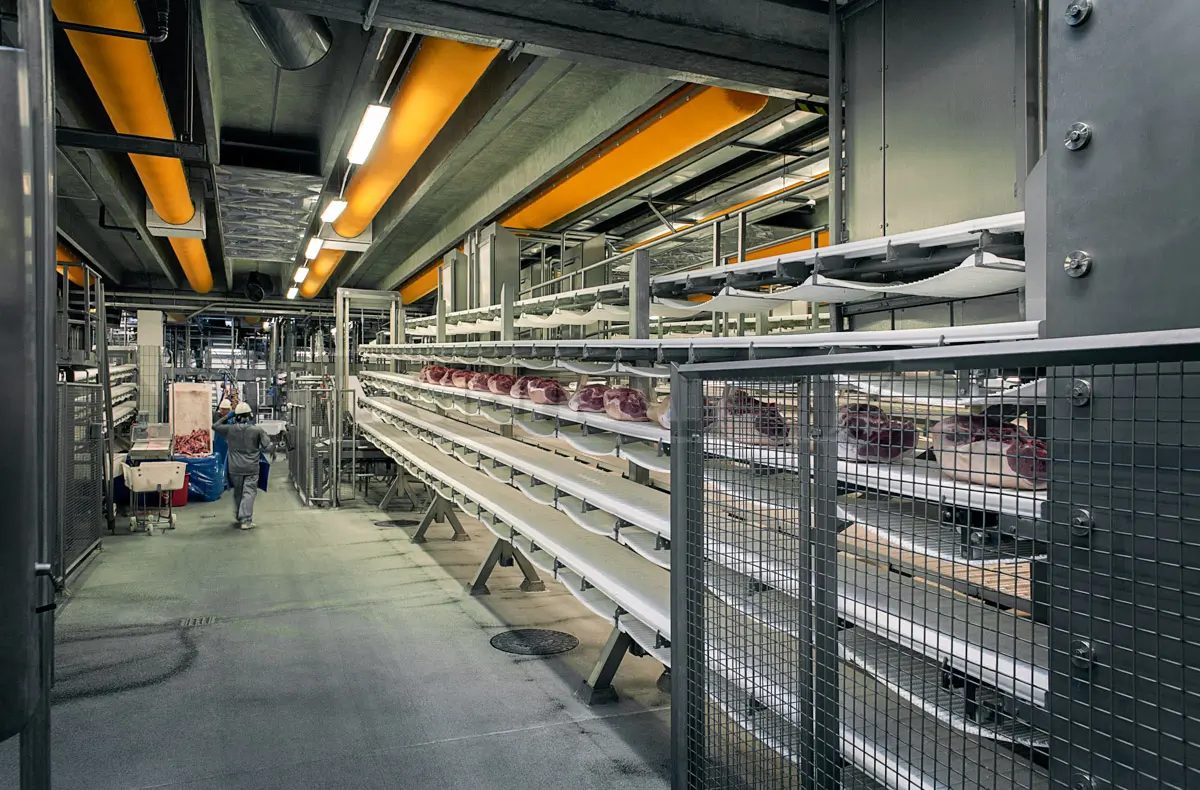
Tailor-made precision airflows are especially important in cooling applications as proper air dispersion improves product quality and profitability. Slaughterhouse equalization cooling rooms have several critical air distribution issues to address including air distribution patterns, equalization time, and efficiency.
When air is not distributed evenly in equalization cooling rooms, equalization times vary. This impacts production flow as the temperature in some carcasses is too high, while others have reached the desired temperature. This is where fabric-based air distribution systems make a huge difference.
Reducing equalization time by half
Time efficiency is a key element in food processing business success. A fabric air distribution system reduces a typical 48-hour equalization time by half compared to conventional systems. Using a tailored fabric-based duct system with precise air engineering design produces efficient equalization in just 24 hours through precisely targeted airflows.
Customized directional airflow models installed in the ducts throw cold air directly to the biggest part of the carcass where the equalization time is the longest. In addition, high velocity increases the efficiency of the added cooling load due to the chill effect. A large temperature difference removes more of the heat from the body per added l/s of added air. Also, the high density of the air increases the removal of heat due to the air’s increased specific heat capacity.
Ensuring product safety
A quick equalization process improves meat quality and product safety. Fast cooling of the meat significantly slows down bacteria growth inside the carcass. A low-temperature gradient across the space also ensures greater product safety.
The unique qualities of fabric in duct manufacturing provide a great advantage in these conditions. The antimicrobial fabric ducts prevent the growth of bacteria and other microorganisms inside the ducts, thus preventing the spread of them onto the meat products from the air distribution systems.
Reducing energy bills and helping your employees
Reducing carcass equalization time is ideal. A customized air dispersion system requires substantially less energy than the conventional cooling process and provides a significantly shorter cooling time.
Employees also will certainly feel the difference between fabric-based and conventional air distribution solutions. As tailored fabric systems do not create drafts and cold spots, the levels of comfort will rise immediately. Fabric systems also greatly reduce employee health issues, reducing absenteeism.
Fabric-based solutions are great for the food processing industry. With an improved quality product and increased well-being of employees, bigger profits are sure to follow.
Additional Information
An Innovative Approach to Indoor Climate Control
Fabric ducting for food processing facilities

FAQ
A fabric air distribution system can cut a typical 48-hour equalization time to about 24 hours, using directional airflow that throws cold air directly at the largest part of the carcass, where equalization otherwise takes longest.
Related terms: equalization time, directional airflow, slaughterhouse cooling room, carcass cooling, high-velocity air
Faster, more even cooling slows bacterial growth inside the carcass more effectively than a slow, uneven cooling cycle, and a consistently low temperature gradient across the room reinforces that safety margin.
Related terms: bacterial growth rate, product safety, low temperature gradient, carcass cooling, food safety compliance
Learn more about temperature gradient control in FabricAir blog article Enhancing Meat Processing Facilities with Fabric Duct for Optimal Temperature Gradients.
Yes — the fabric used in these duct systems is manufactured to resist the growth of bacteria and other microorganisms inside the duct itself, which matters in an environment where airborne contamination risk is already elevated.
Related terms: antimicrobial fabric, microorganism growth resistance, airborne contamination, duct hygiene, meat processing hygiene
Learn more about hidden contamination risk in FabricAir blog article How to Keep Your Employees Healthy in Food Processing Facilities.
Yes — a customized air dispersion system requires substantially less energy than a conventional cooling process while achieving a shorter cooling time, and it eliminates the drafts and cold spots that drive employee discomfort and absenteeism.
Related terms: energy efficiency, worker comfort, cooling time reduction, drafts and cold spots, absenteeism reduction
Learn more about indoor climate control strategy in FabricAir blog article An Innovative Approach to Indoor Climate Control.
Get valuable content first
Enter your email and be among the first to get tips and articles from our experts about HVAC industry topics.