


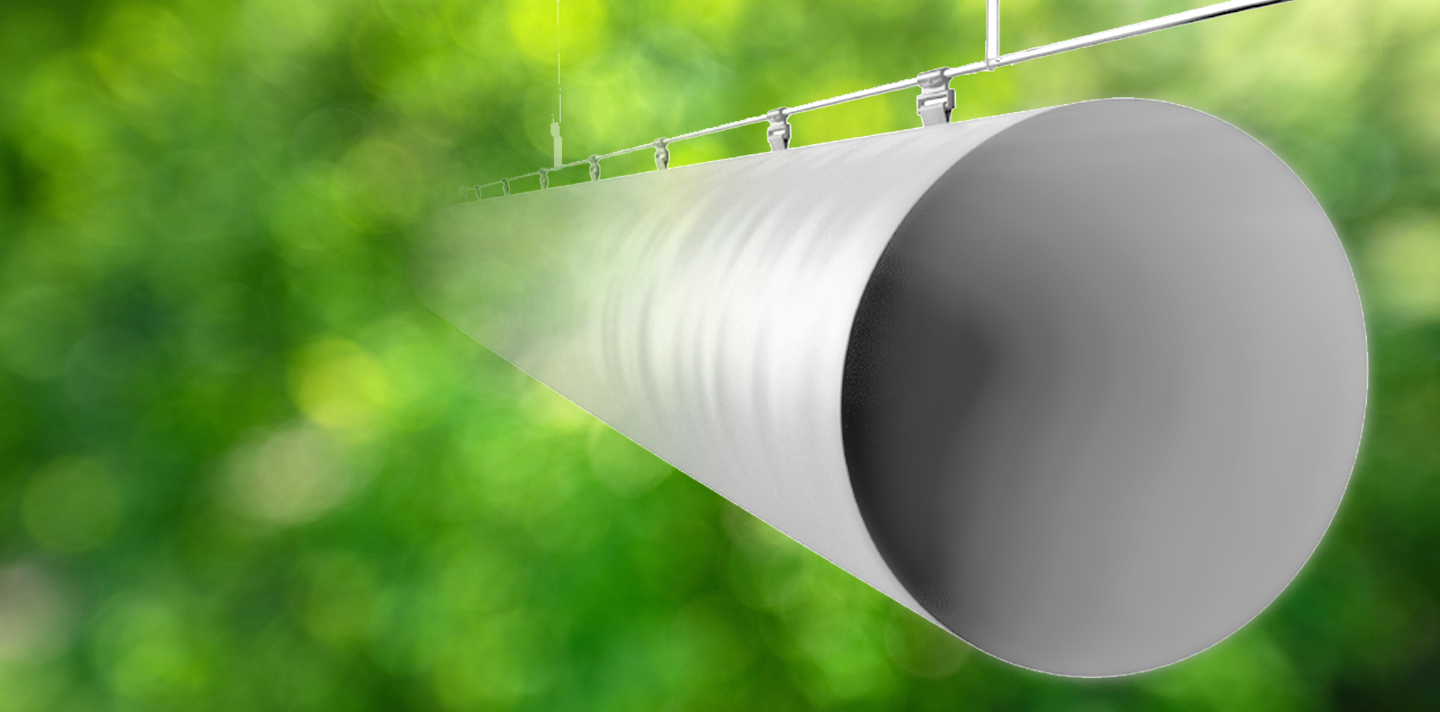
Fabric Duct Sustainability: Why Source Material Matters


As the HVAC industry continues its journey toward sustainability, facility managers and engineers are increasingly evaluating the environmental credentials of every component in their systems – including fabric duct solutions. While the conversation around sustainable fabrics has evolved significantly, understanding what truly constitutes sustainable practice is more important than ever.

Gitte Haar
Expert in Circular Economy & Green Transition
The Bottle-to-Fabric Story: Well-Intentioned but Incomplete
For years, converting recycled PET bottles into fabric yarns has been celebrated as an environmental win. The narrative is compelling: plastic bottles diverted from landfills and oceans, transformed into functional fabrics. It’s a story that resonates, and understandably so.
However, as our understanding of circular economy principles deepens, environmental regulators and sustainability experts are taking a more nuanced view. The European Union’s emerging regulatory framework – including Circular Economy Act, Packaging and Packaging Waste Regulation (PPWR), Extended Producer Responsibility (EPR), the Ecodesign for Sustainable Products Regulation (ESPR), and the Green Claims Directive – is fundamentally reshaping how we evaluate fabric sustainability.
Why Circular Economy Experts are Reconsidering Bottle-to-Fabric Recycling
The challenge lies in understanding competing recycling loops. The EU has decided on a deposit return system on drinking bottles, and in most EU countries and other countries this system is already established, meaning that PET bottles already have a well-established, high-value recycling system that turns them back into food-grade bottles or other Food-Contact-Material (FCM). This bottle-to-bottle recycling is efficient, maintains material quality, and creates a true closed loop within the packaging industry without downgrading.
When bottles are diverted to fabric production instead, several issues emerge:
Disrupting Established Recycling Streams: The industries have invested heavily in infrastructure to recycle bottles back into bottles. Removing bottles from this loop undermines these efforts and forces bottle manufacturers to use virgin plastic instead.
Down-grading, Not Circular: Once a bottle becomes a fabric, it typically cannot return to being a bottle due to quality requirements for food-contact materials. The material has essentially moved from a circular material loop into downgrading of value and in worst case back to a linear one.
Competing for Resources: As the EU pushes for higher recycling rates in packaging, the textile industry’s demand for bottle-based feedstock creates direct competition with more established circular systems.
The EU’s New Direction: Fabric-to-Fabric Circularity
The EU Textile Strategy and upcoming EPR regulations are steering the industry toward a different model: keeping fabrics within fabric recycling loops. This approach:
- Encourages designing fabrics that can be recycled back into fabrics
- Creates economic incentives through EPR and environmental fees that reward truly circular products
- Prioritizes recycled content from post-consumer fabrics rather than “borrowed” materials from other material loops and other industries
- Supports the development of dedicated fabric recycling infrastructure
Under this framework, using recycled bottles for fabrics is increasingly viewed not as recycling, but as “downcycling” – moving materials from a high-value application to a lower-value one while disrupting existing circular systems.
Dope Dyeing: A Complementary Sustainability Strategy
While the source of recycled content matters, the production process itself offers another critical opportunity for environmental improvement. Dope dyeing represents a fundamentally different approach to colouring synthetic yarns.
In traditional fabric dyeing, yarns are manufactured first, then dyed in separate water-intensive processes. Dope dyeing integrates colour pigments directly into the polymer melt before fibre extrusion, eliminating the need for subsequent dyeing entirely.
The environmental advantages are substantial:
- Water Conservation: Strongly minimizes the water consumption, wastewater treatment, and discharge associated with conventional dyeing
- Energy Efficiency: Removes process steps and requires less heat in the dyeing, significantly reducing energy consumption
- Chemical Reduction: Lessens dyeing chemicals, fixing agents, and related processing additives
- Colour Fastness: Creates superior colour durability, extending product lifespan
For long-life products like fabric duct systems, which can serve buildings for 15-20 years or more, dope dyeing’s benefits compound over the product lifecycle.
Making Informed Choices for Your HVAC Projects
As you evaluate fabric duct options for your facilities, consider asking suppliers:
About Material Sourcing:
- What is the source of recycled content in your products?
- Are you using post-consumer fabrics or materials from other recycling streams?
- How does your material choice align with emerging circular economy regulations?
About Production Processes:
- What dyeing or colouring methodology do you use?
- Can you quantify water and energy savings in the full manufacturing process, from extraction of oil through recycling of materials?
- How do your production methods minimize chemical usage?
The Path Forward
True eco-friendliness in HVAC fabric duct systems requires looking beyond simple recycled content claims to understand the full circular economy picture. As regulations evolve to favour genuinely circular systems and clean material loops, the industry will increasingly reward solutions that:
1. Keep the products for as long as possible using repair and maintenance
2. Keep materials within their optimal recycling loops
3. Minimize environmental impact throughout production
4. Design for longevity and reuse and recyclability
5. Support the development of dedicated fabric recycling infrastructure
The shift from bottle-to-fabric to fabric-to-fabric recycling, combined with cleaner production methods like dope dyeing, represents the next generation of sustainable fabric solutions. For HVAC professionals committed to environmental stewardship, understanding these distinctions isn’t just about compliance – it’s about making choices that support truly circular systems for the long term.
While EU regulations are pushing towards fabric-to-fabric circularity, there remains significant plastic waste, particularly ocean plastic, that could be made available for polyester production with proper focus and infrastructure development. This consideration is especially relevant outside the EU, where addressing plastic waste pollution remains a critical environmental priority alongside developing circular economy systems.
As the regulatory landscape continues to evolve, staying informed about genuine circularity principles will help you make procurement decisions that align with both your sustainability goals and emerging compliance requirements.
Get valuable content first
Enter your email and be among the first to get tips and articles from our experts about HVAC industry topics.