


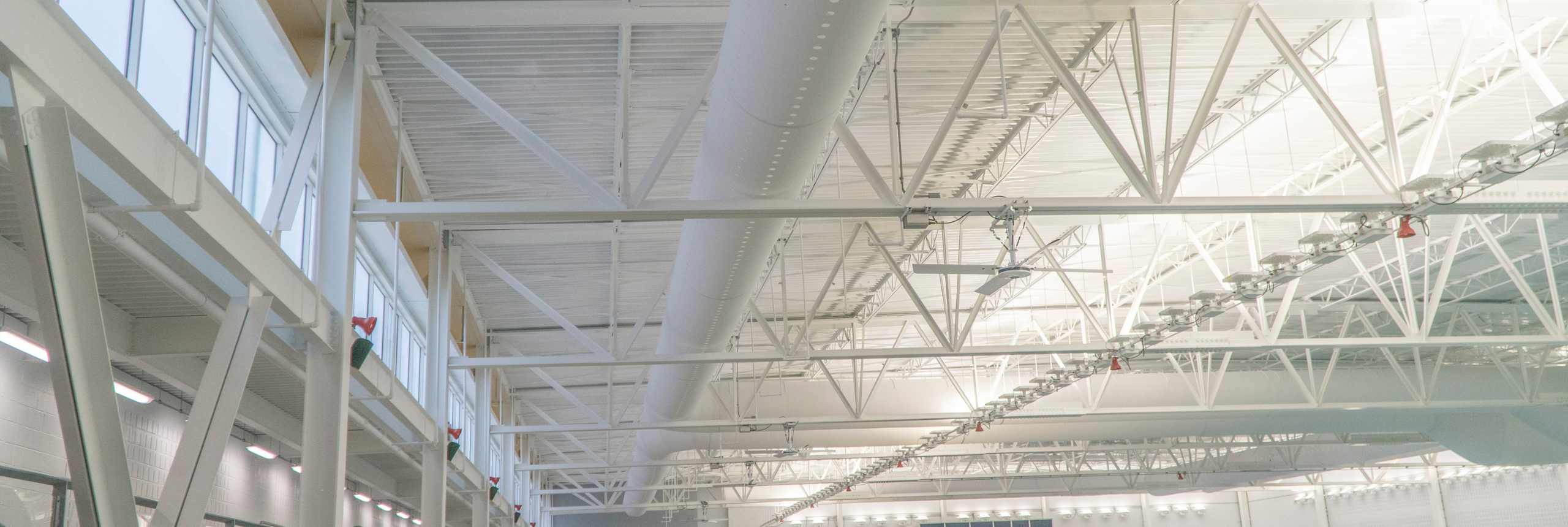
Why Fabric Ducts Outperform Metal in Harsh Environments


Not all buildings are created equal, especially when it comes to HVAC system design. Facilities like indoor pools, food processing plants, or chemical-heavy environments place extreme demands on air distribution systems. High humidity and corrosive chemicals can create conditions that accelerate the degradation of traditional metal ductwork.
In HVAC systems, the consequences are especially visible in harsh environments, where metal ductwork is prone to early corrosion, reduced efficiency, and costly maintenance cycles.
For engineers, the challenge is not just about airflow—it’s about selecting materials that will hold up over time. While metal has long been the default, fabric ducts offer a corrosion-resistant alternative that performs reliably under these demanding conditions. Understanding the risks of corrosion and the comparative durability of fabric ductwork allows engineers to design smarter systems that protect both performance and people.
How Corrosion Affects Metal Ductwork
Metal ductwork, even when galvanized or coated, remains vulnerable to corrosion in environments with high humidity, chemical exposure, or frequent condensation. Over time, corrosion can compromise system integrity and performance. Corrosion often leads to progressive failure:
- Surface rust and oxidation, which can flake into the airstream and impact indoor air quality
- Joint and seam degradation, resulting in leaks and uneven air delivery
- Increased pressure drop due to internal scale buildup
- Insulation damage caused by trapped moisture and condensation
- Decreased IAQ from rust particles and microbial accumulation within the system
In many cases, these issues not only degrade performance but also escalate maintenance demands and shorten the duct system’s usable life, especially in buildings where indoor air quality is closely regulated.
In contrast, fabric ducts are constructed from corrosion-resistant technical fabrics that are unaffected by moisture or chemical exposure. Fabric avoids many of the failure points associated with traditional metal ductwork, offering a durable and hygienic alternative in environments where corrosion is a persistent threat.
Why Indoor Pools Accelerate HVAC Duct Failure
Of all harsh environments, indoor swimming pools (natatoriums) present some of the most aggressive conditions for HVAC systems. These spaces create a perfect storm of factors that can rapidly deteriorate traditional metal ductwork:
- Warm, humid air saturated with chloramines can be corrosive to metallic surfaces and accelerate material degradation.
- Continuous evaporation from the pool surface maintains high relative humidity, while frequent temperature fluctuations lead to repeated condensation cycles on exposed duct surfaces.
- Inadequate air distribution allows chloramines to stratify near the pool surface, increasing corrosion potential and introducing respiratory risks for occupants.
ASHRAE Standard 62.1 underscores the importance of targeted airflow in natatoriums to properly ventilate occupied zones and manage indoor air quality. However, metal duct systems often struggle to provide the even dispersion needed in such corrosive environments.
Constructed from permeable textiles, fabric ducts are immune to rust and allow air to pass through the fabric surface. This minimizes surface condensation, a key contributor to corrosion in metal systems. Fabric air dispersion is custom engineered with directional flow models to push airflow across water surfaces and glazed walls, preventing chemical stratification and improving both comfort and material longevity.
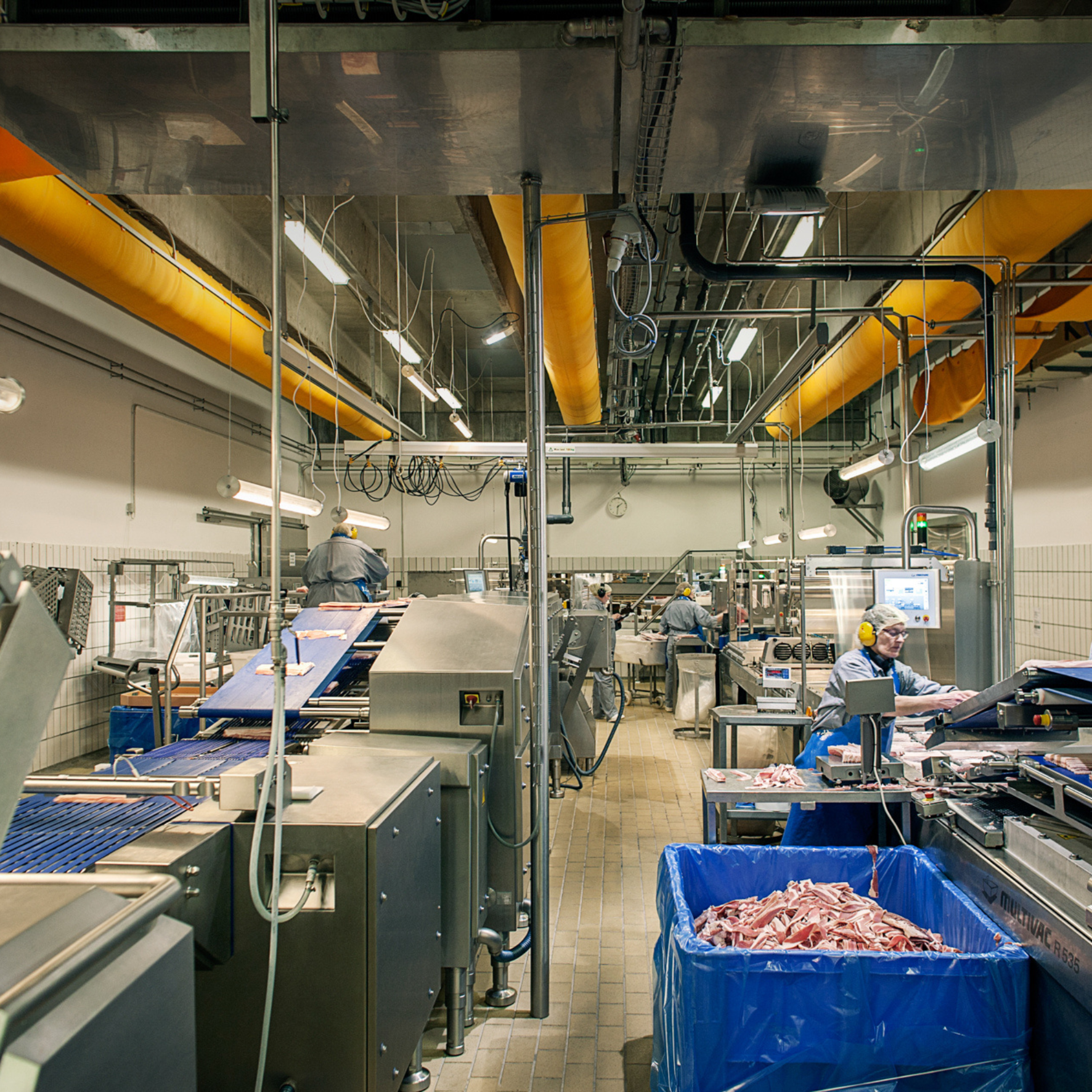
Similar benefits apply to other harsh environments such as food processing and chemical plants, where high humidity and acidic or caustic washdowns are routine. In these environments, selecting corrosion-resistant air distribution systems is essential to maintaining HVAC performance and extending system life.
The Hidden Costs of Metal Ductwork Failure
The true cost of metal ductwork in harsh environments often extends far beyond initial installation. Facilities frequently encounter:
- Reduced energy efficiency caused by air leaks and degraded insulation
- Compromised indoor air quality due to rust particles and microbial buildup in deteriorating ducts
- Operational disruptions from unexpected repairs or replacements
- Significant capital expenditure for corrosion-resistant upgrades, such as stainless steel or specialized coatings
In corrosive settings, the long-term cost of maintaining metal ductwork is frequently underestimated. Selecting inherently corrosion-resistant materials—such as fabric ducts—can help engineers address these challenges at the source, rather than compensating for them with layered fixes.
Fabric Ducts: A Long-Term Solution
Unlike metal ducts, fabric duct systems are constructed from non-corrosive materials, typically polyester, that do not degrade when exposed to moisture, salt, or chemicals. This makes them ideal for harsh environments where conventional materials fall short.
Key benefits include:
- Permeable fabrics equalize surface temperature with ambient air, eliminating condensation, a leading cause of corrosion in metal ducts.
- Airflow models can be engineered to target areas vulnerable to condensation or stagnation, such as pool surfaces, walls, or window glazing.
- Equal dispersion ensures even airflow, improving comfort and contaminant removal.
- Lightweight and modular components simplify installation and reduce the need for structural reinforcement.
In natatoriums, for example, fabric duct systems have been shown to maintain better airflow near the water surface, helping reduce chloramine concentrations and improving both air quality and material longevity. In food production or pharmaceutical settings, they can be laundered regularly to maintain hygiene standards.
Fabric duct systems offer engineers a proven, durable alternative. Their ability to deliver even airflow, prevent condensation, and resist corrosion makes them an optimal choice for natatoriums, food processing facilities, and beyond. As building owners and designers seek smarter solutions to reduce lifecycle costs and improve air quality, fabric ducting is gaining recognition as a reliable and efficient option.
Additional Information
Get valuable content first
Enter your email and be among the first to get tips and articles from our experts about HVAC industry topics.