Air Distribution in Meat Processing Facilities
Client: Büyüksimitçi Et – Kayseri, Turkey
Background
Büyüksimitçi Et, a long-established meat processing company based in Kayseri, Turkey, set out to implement an advanced air distribution system in its modern facility, The Kasap Project. This integrated production and retail space was designed to meet future-forward operational, regulatory, and sustainability standards. The architectural and mechanical infrastructure of the facility was designed in line with high hygiene
Combi 80, Combi 30
Type 11A Rapid, Type 8 Rapid
MicroFlow, SonicFlow
6.060 m³/h
standards, energy efficiency goals, and principles of environmental sustainability. In full compliance with current food safety regulations—and with flexibility for future updates—the chosen air distribution solution needed to provide uniform, low-velocity airflow, prevent condensation and contamination risks, ensure thermal comfort for staff, and simplify hygiene-focused maintenance routines.
Solution
Processing Area: Hygiene and Performance
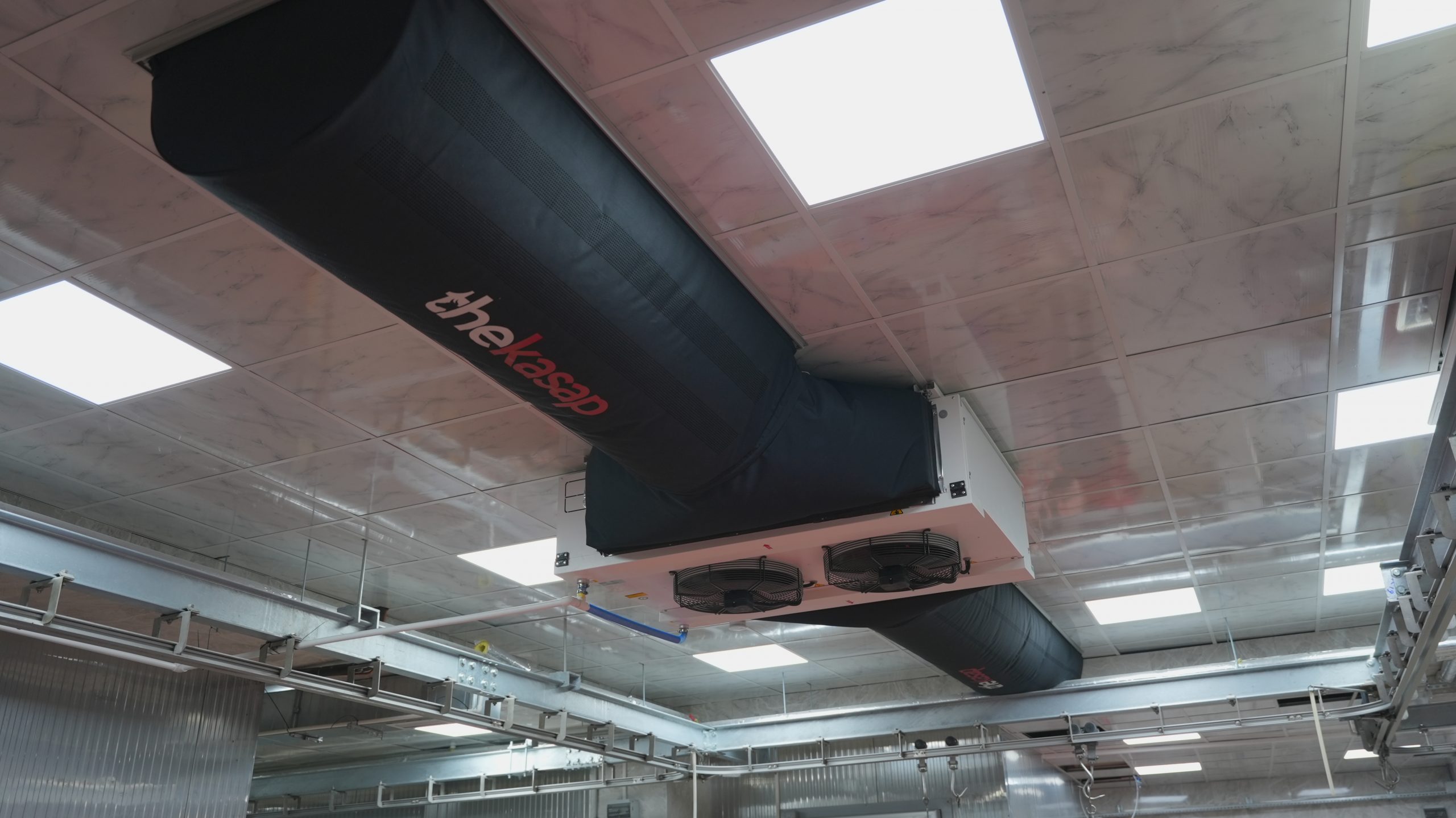
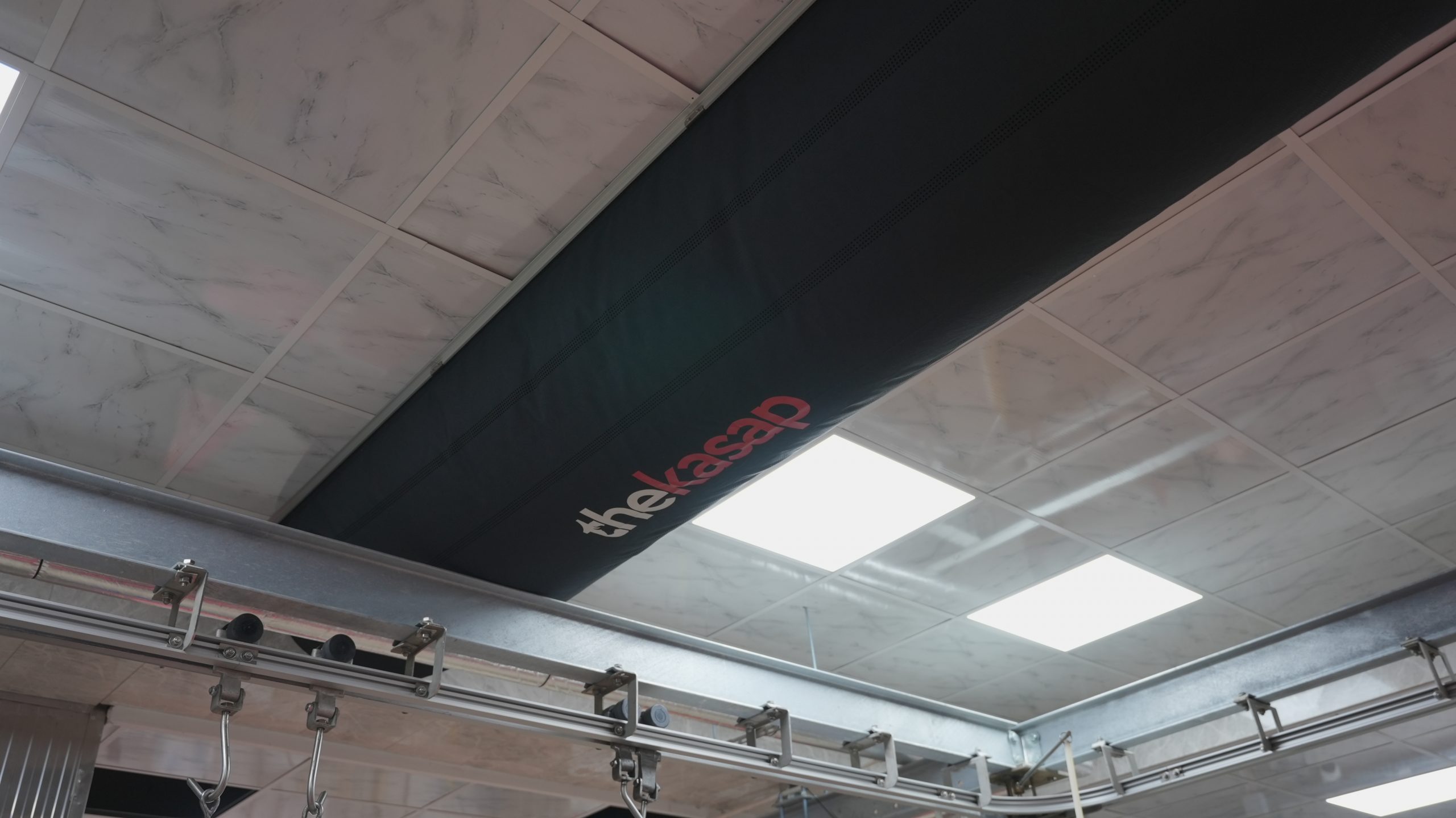
The meat processing zone, characterized by low ceilings and strict sanitation controls, required an advanced solution with antimicrobial performance. FabricAir® delivered antimicrobial textile ducts made from Combi 80 fabric, suspended via the Type 11A RapidSlider system.
Key Performance Features:
- Hygienic Standards. Combi 80 complies with ISO Cleanroom Class 3 and includes an antibacterial surface treatment that inhibits microbial growth.
- Condensation Control. The fabric’s air-permeable properties prevent dripping and moisture accumulation.
- Thermal Comfort. Ultra-low airflow velocities (as low as 0.02 m/s) and minimal temperature variation (ΔT ±0.5°C) ensure draft-free airflow.
- Operational Efficiency. The RapidSlider system allows fast disassembly and washing.
This solution delivers a sterile, thermally stable environment where hygiene is uncompromised and maintenance is efficient.
Retail Area: Brand-Driven Architecture
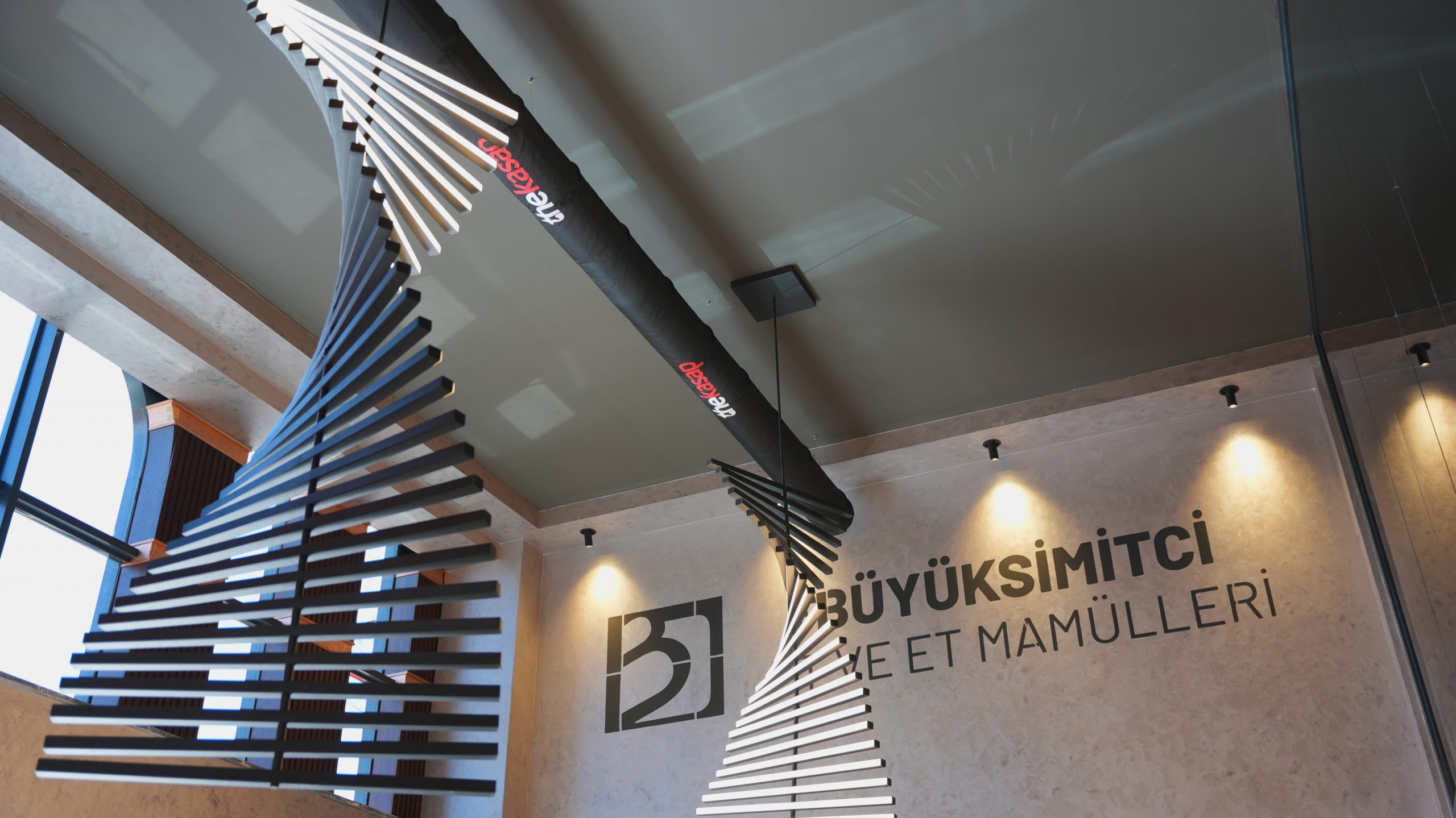
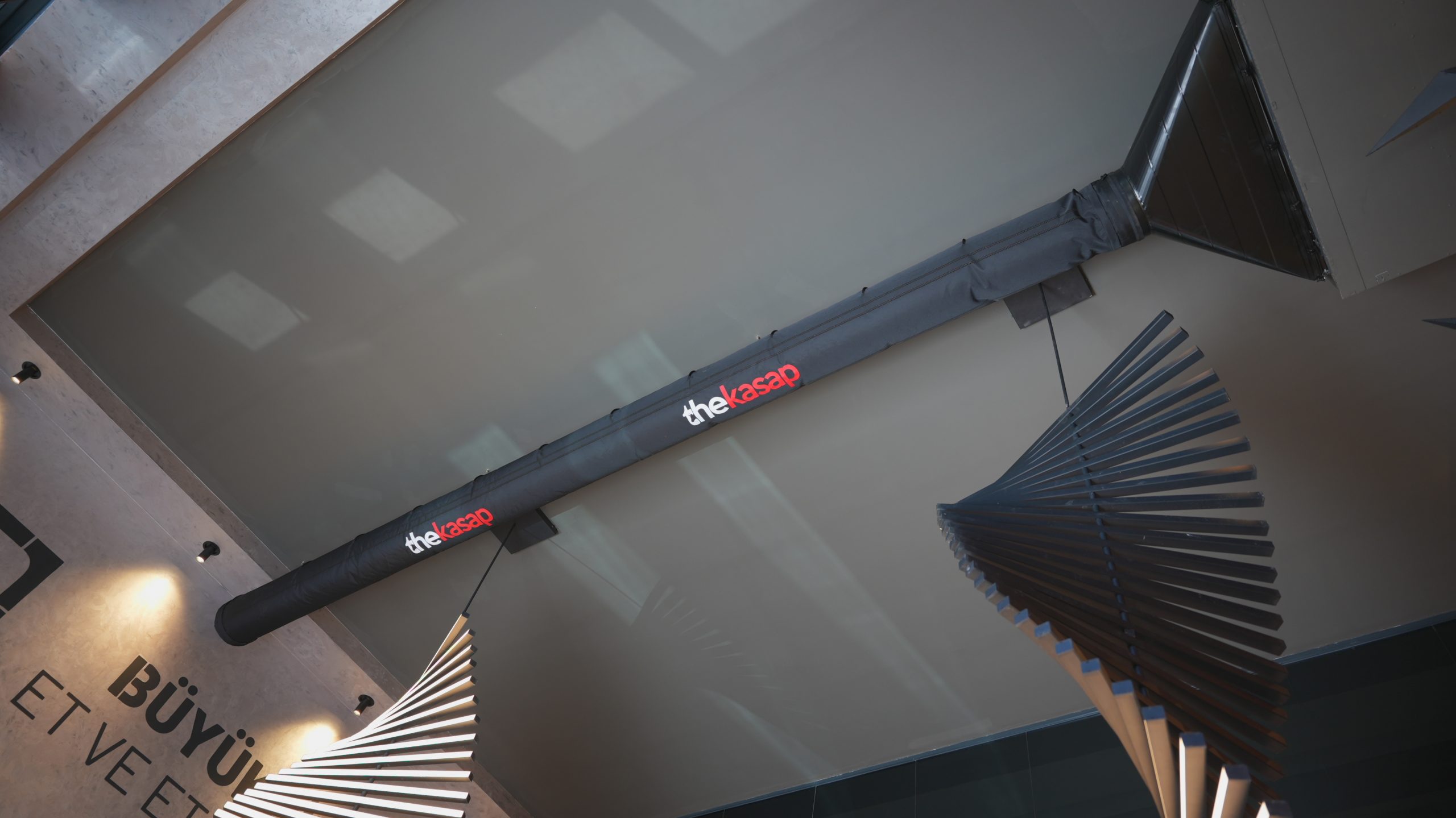
The retail space was envisioned as both a functional area and a reflection of Büyüksimitçi Et’s brand identity. To align with the facility’s high ceilings and premium interior, a round-profile duct system made from Combi 30 fabric was selected, paired with the Type 8 All-in-One suspension system.
Design and Functional Highlights:
- Architectural Integration: The fabric ducts were intentionally designed as aesthetic features, seamlessly blending into the ceiling structure.
- Branding: Black Combi 30 fabric complemented the space’s visual theme, with custom-printed logos reinforcing brand presence.
- Shape Retention: The All-in-One system ensures the duct maintains its form even when idle, contributing to the architectural rhythm of the space.
- Indoor Air Quality (IAQ): The system ensures silent, uniform air distribution, providing exceptional comfort for both staff and customers.
This solution delivers high-impact design with uncompromised functionality, establishing the HVAC system as a visual and technical asset.
Result
The Kasap Project demonstrates how fabric-based air distribution systems can elevate both technical and architectural outcomes in hygiene-critical environments.
Processing Area Benefits:
- Antimicrobial, ISO-compliant ducts ensure hygienic air distribution.
- Laminar, low-velocity airflow enhances food safety and worker comfort.
- Rapid maintenance through the RapidSlider system supports consistent hygiene cycles.
Retail Space Impact:
- Ducts double as architectural features, maintaining visual harmony with the interior.
- Custom branding reinforces a premium, trustworthy image.
- The system provides quiet, efficient, and invisible comfort with long-term design integrity.
Compared to metal ductwork, fabric air ducting systems are lighter, hygienic, easier to maintain, and visually adaptable. Low-pressure drop and tailored airflow design reduce energy consumption and precisely meet the spatial needs. This system addresses current demands while offering a future-ready infrastructure for evolving hygiene regulations, sustainable practices, and architectural integration.
Why FabricAir?
Compared to traditional metal ductwork, FabricAir® systems offer:
- Superior hygiene: corrosion-free, easy to clean, non-condensing
- Lower energy usage: tailored airflows and minimal pressure drops
- Architectural adaptability: lightweight, customizable designs
- Future-readiness: compliance with evolving food safety and sustainability standards