Solving Hygiene and Condensation Challenges in Fish Processing
Fish processing and retail facilities are among the most demanding applications for air distribution systems due to high humidity levels, low operating temperatures, and frequent wash-down requirements. In such environments, air distribution systems are expected not only to provide cooling, but also to support hygienic conditions, control condensation, and maintain a balanced indoor air environment across work areas.
In the New Sydney Fish Market (NSFM) project in Australia, FabricAir ducts were selected as a solution capable of adapting to these challenging conditions while delivering hygiene, durability, and reliable performance.
Before
In fish processing and retail facilities, air distribution systems are expected to distribute air in a controlled manner, limit condensation, and create a balanced indoor environment across working areas. However, in such facilities, conventional metal air ducts typically supply air at high velocity and from limited points, which often leads to unwanted air movement, as well as the formation of hot-cold spots, and dead zones within the space. This not only reduces employee comfort but also increases surface moisture, making hygiene management more difficult.
In addition, the cleaning and maintenance of metal air ducts present significant operational challenges, particularly in food facilities. Limited access to the internal duct surfaces means that cleaning procedures are often time-consuming and require specialized equipment and expertise. During these processes, production frequently needs to be stopped or restricted, resulting in both time losses and increased operating costs.
For these reasons, the project required a solution capable of overcoming the limitations associated with metal air ducts by distributing air at low velocity and in a controlled manner to achieve a more even indoor environment. Furthermore, priority was given to a system that would simplify hygiene management, reduce the risk of condensation, and allow cleaning procedures to be carried out without disrupting ongoing operations. In line with these requirements, FabricAir ducts were selected as the most suitable solution for the fish processing and retail facility.
Solution
The project was delivered in close collaboration with FabricAir’s local distributor, Air Conditioning Systems – ACS. The overall construction was carried out by Multiplex Constructions, while the installation works were executed by the Equilibrium/Climatech Joint Venture (ECJV), ensuring seamless coordination across design, installation, and commissioning stages.
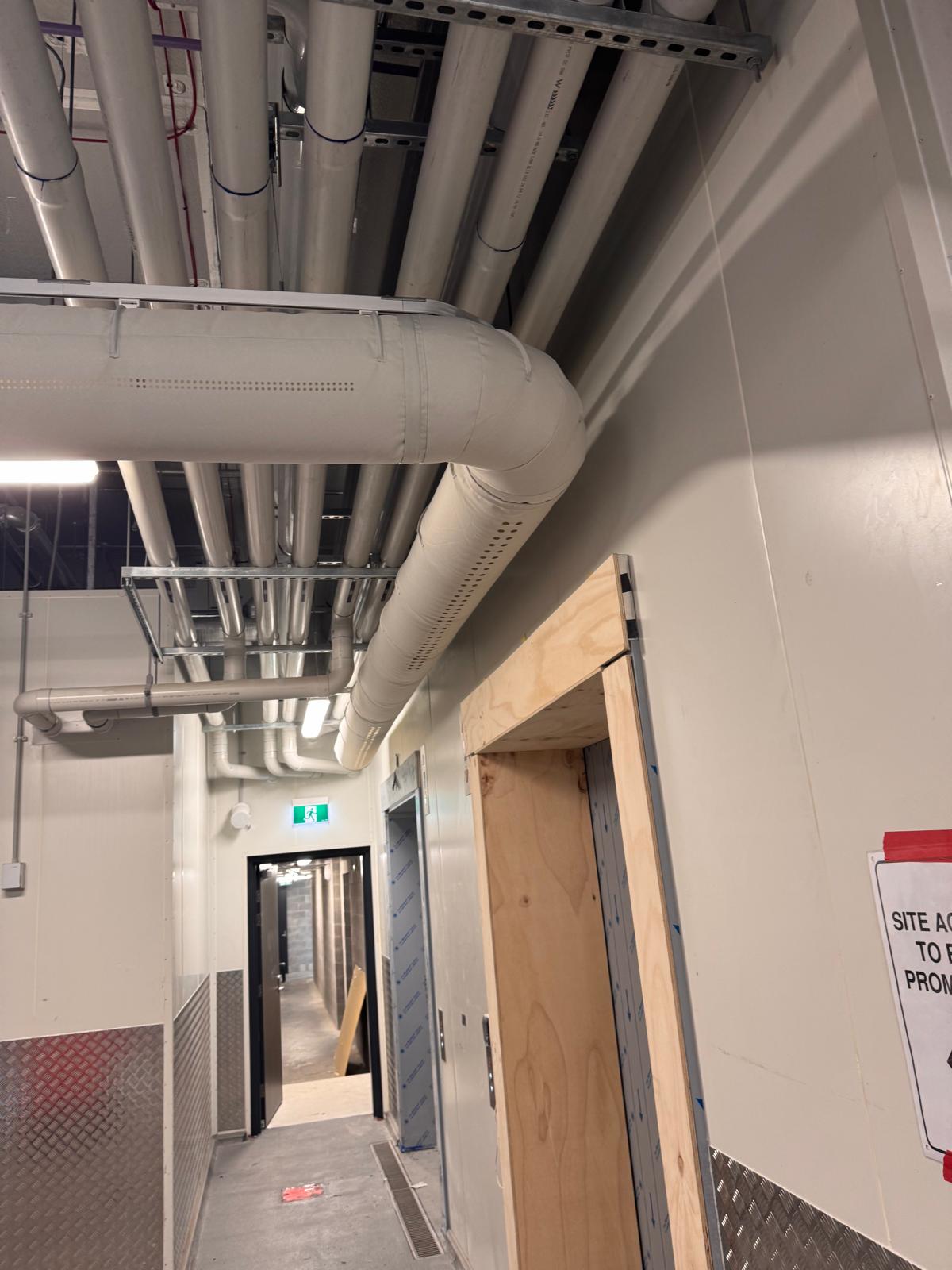
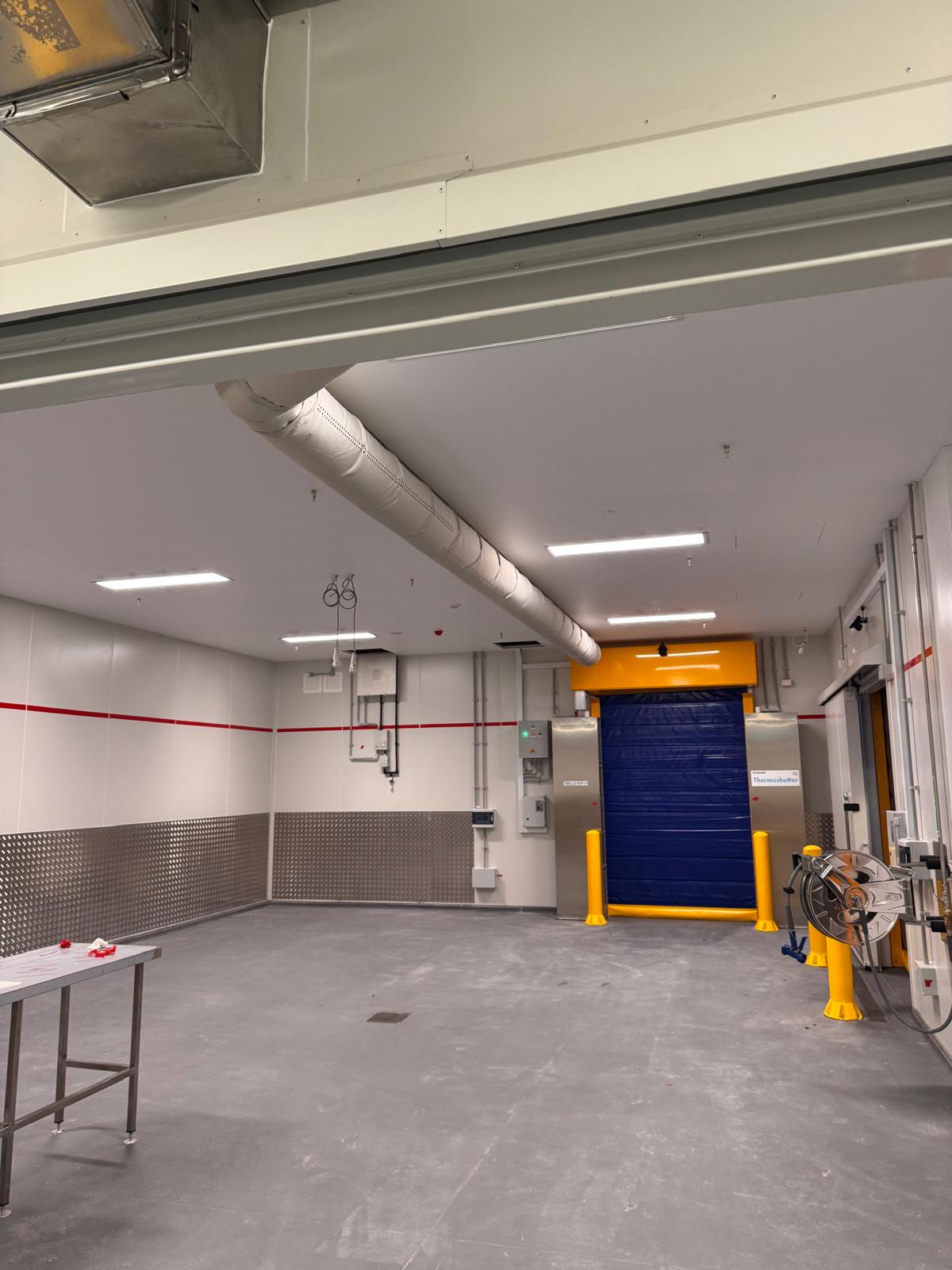
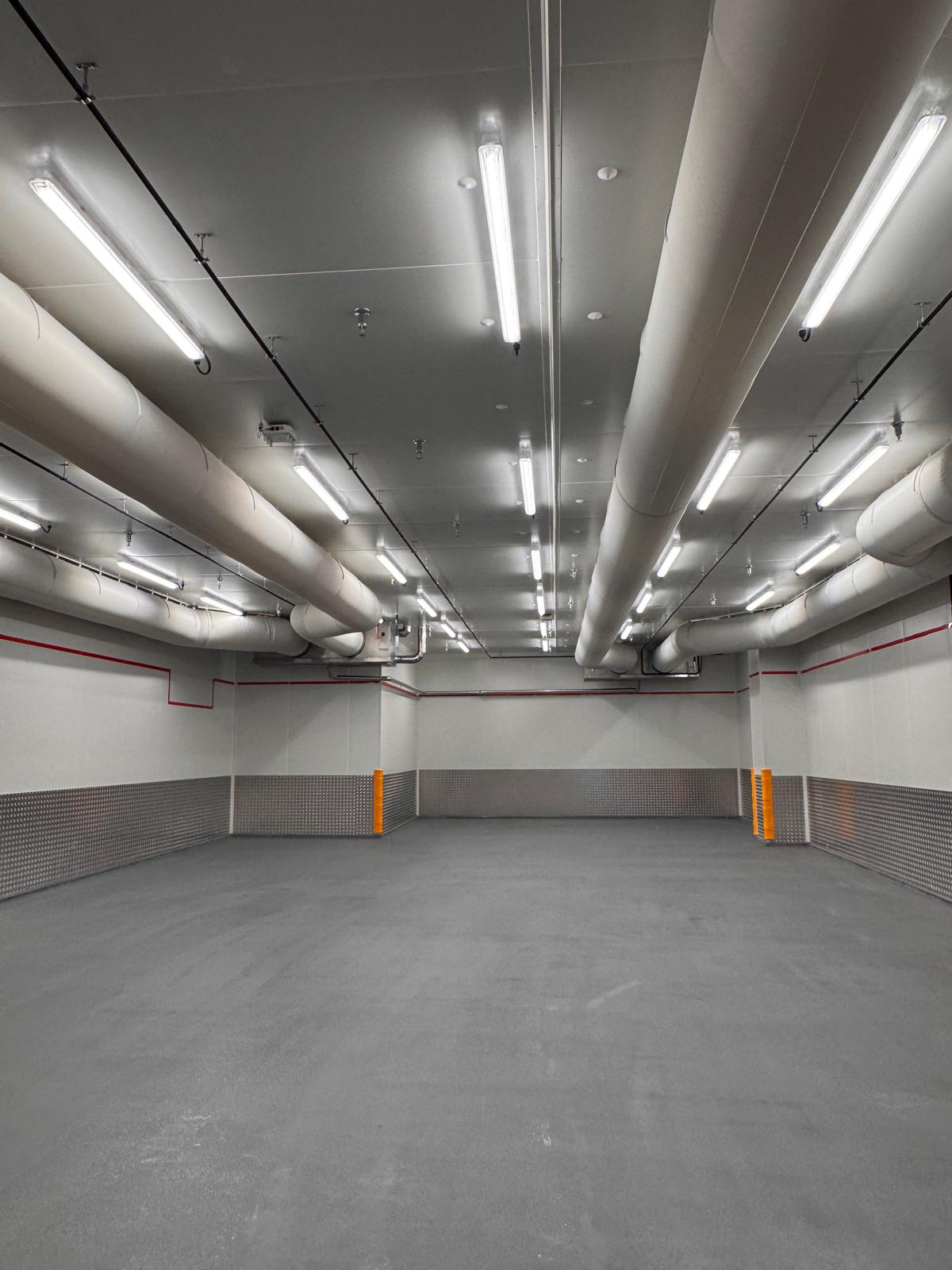
Within the same facility, customized air distribution solutions were designed for different rooms and work areas, based on the specific requirements of each zone. To meet the facility’s strict hygiene standards, Combi 80 fabric was selected, which complies with ISO Cleanroom Class 3 the highest hygiene classification available for fabric duct systems. Thanks to its permeable structure, Combi 80 helps prevent condensation, while its antimicrobial properties inhibit microbial growth on both the inner and outer surfaces of the duct. In addition, the fabric air ducts do not require specialized teams or equipment for maintenance. It can be removed within seconds and washed easily in standard washing machines using regular detergents. As a result, the fabric ducts significantly improved hygiene standards in the fish processing facility while also simplifying maintenance procedures.
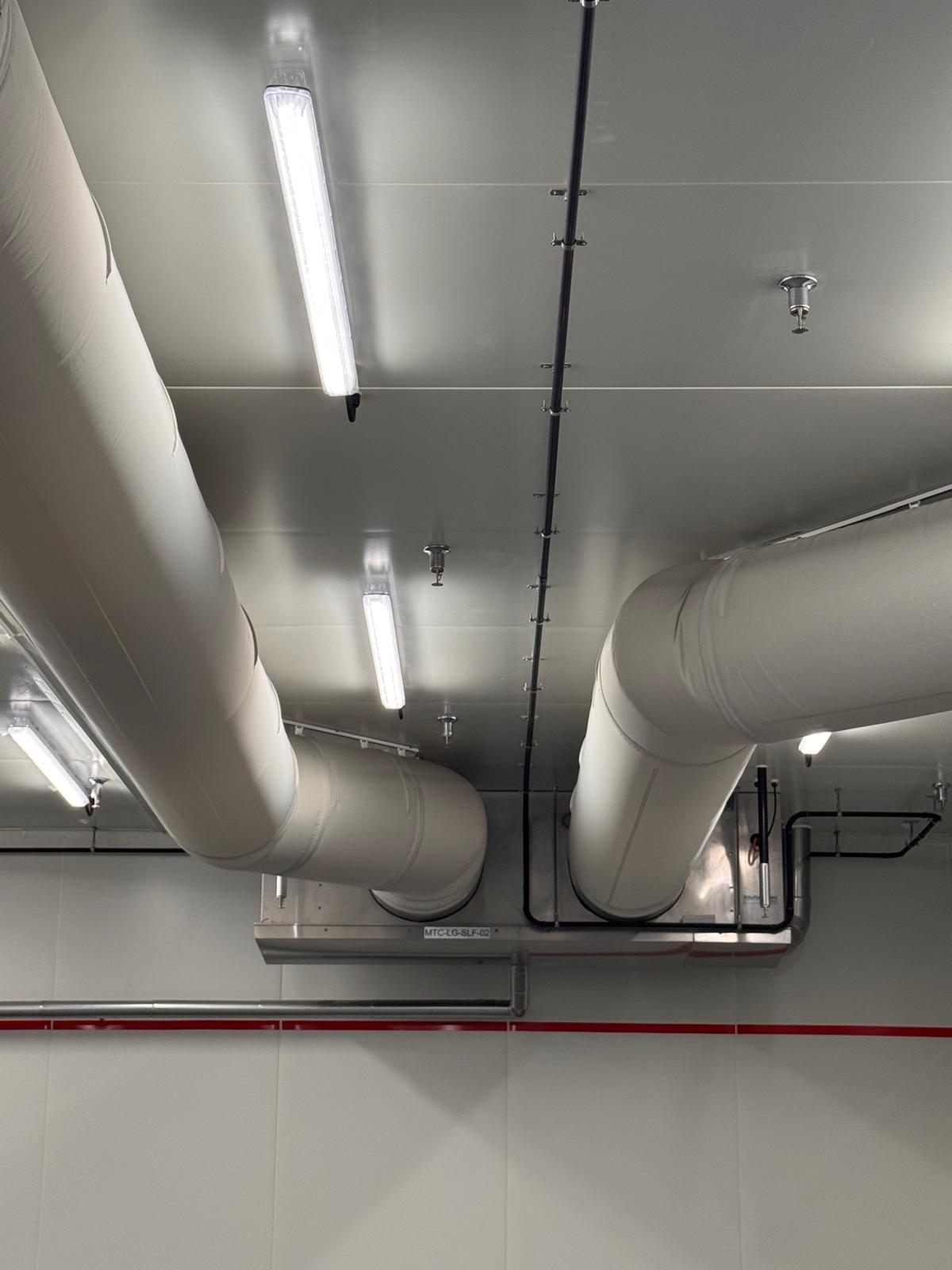
Air distribution was specifically designed for the different areas of the facility through the combined use of SonicFlow, MicroFlow, and Oriflow airflow models. This approach allowed air to be supplied at low velocity and across a large surface in certain zones, creating balanced air environment, while other areas received more directed and controlled airflow where needed. In this way, an even indoor environment was achieved throughout both production and retail areas without creating air drafts. A total airflow rate of 60,995 m³/h was evenly and consistently distributed through 352.273 meters of fabric ducts. The combined use of different airflow models prevented the formation of hot spots, cold spots, and dead zones, ensuring comfortable air distribution across the entire facility.
For the suspension system, Type 8 All-in-One and Type 3 All-in-One solutions were applied according to the installation conditions and the requirements of different areas. These systems allow the ducts to maintain their shape even when there is no air supply. Stainless steel suspension components provided resistance to corrosion in environments with high humidity, such as fish processing facilities, helping to preserve the hygienic performance of the system over time. Due to the lightweight nature of the fabric ducts, the suspension system imposed minimal load on the ceiling, offering structural advantages while contributing to an aesthetic appearance throughout the facility.
Results
A more balanced air distribution was achieved throughout the facility, and condensation-related issues were avoided. The removable and washable structure of the fabric air ducts enabled cleaning procedures to be carried out more quickly and regularly, making hygiene management operationally more sustainable. Thanks to the low-velocity air distribution, a more comfortable indoor environment was created without air drafts in the working areas. In addition, the system’s low-pressure operation supported optimized energy use, providing a more efficient air distribution solution across the facility.
The NSFM project clearly demonstrates how FabricAir ducts deliver an effective solution in challenging, humid food processing environments. By combining hygiene, condensation control, even air distribution, energy efficiency, and aesthetic appearance in a single solution, this project highlights fabric ducts as a strong alternative for fish processing and retail facilities. Overall, the project confirms that FabricAir solutions provide reliable, long-term, and operationally sustainable air distribution tailored to the specific requirements of food industry applications.