


How to Ensure an Ideal Indoor Climate in Swimming Pools: The Elektrėnai Project Experience
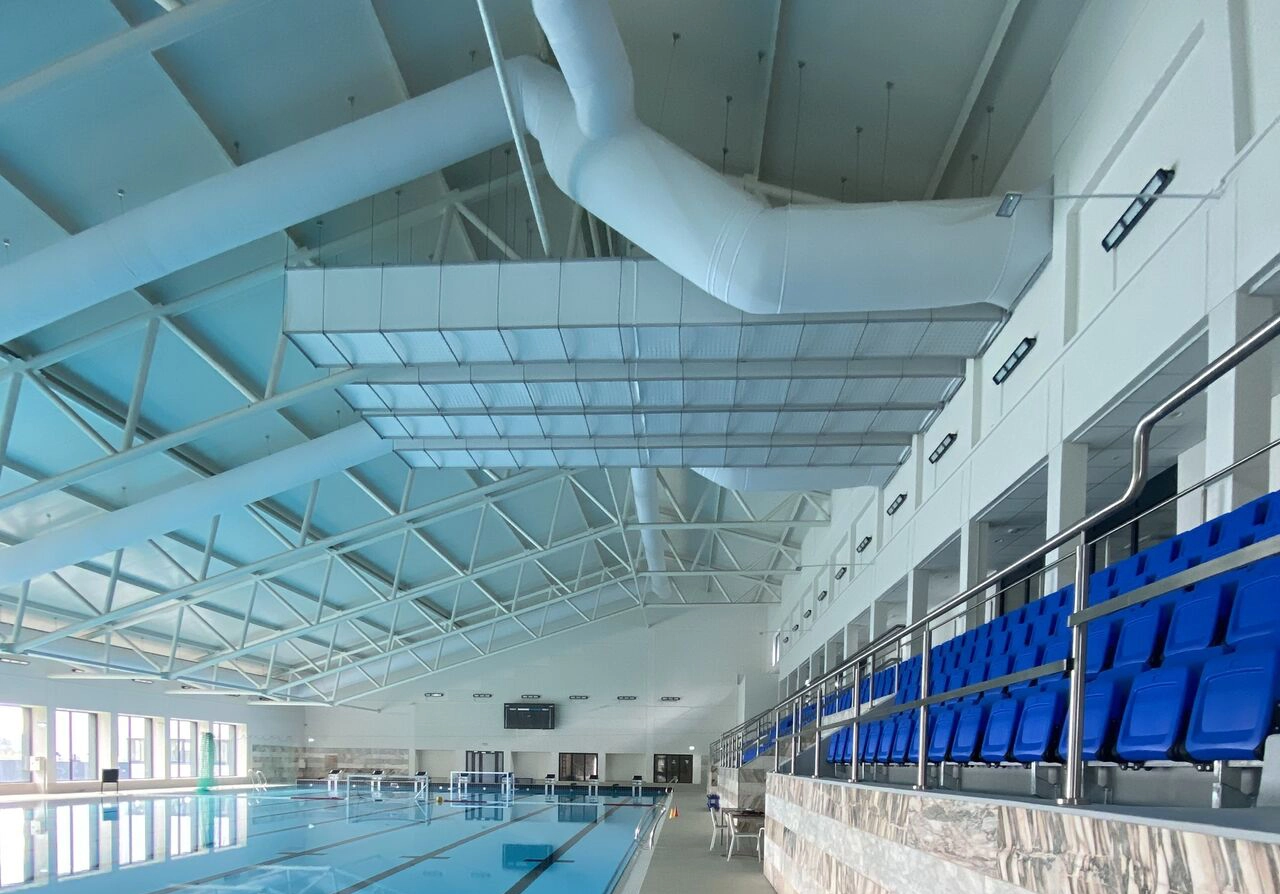
At the Elektrenai swimming pool in Lithuania, FabricAir was responsible for the design, manufacturing, and installation of fabric duct systems for the pool and SPA ventilation. The main objective of the project was to ensure uniform air distribution, prevent drafts and condensation, and maintain a high-quality indoor climate.
In pool environments, ventilation goes far beyond simple air supply – it is about precise climate control. It is essential to distribute air evenly throughout the space, avoid drafts that reduce visitor comfort, and, most importantly, control condensation. Poor humidity management can lead to mold growth, structural damage, and increased operating costs. These challenges are effectively addressed by fabric air dispersion systems.
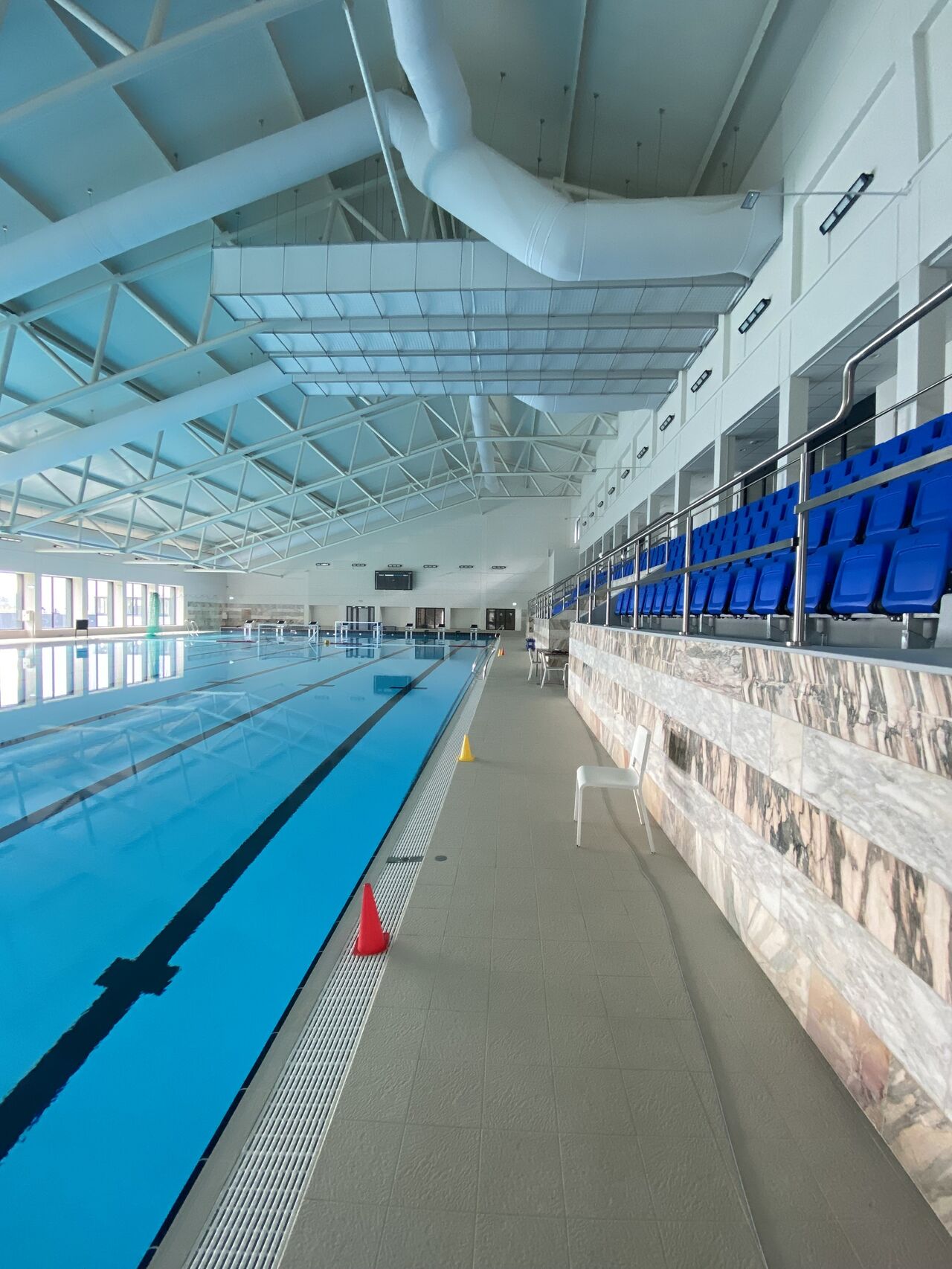
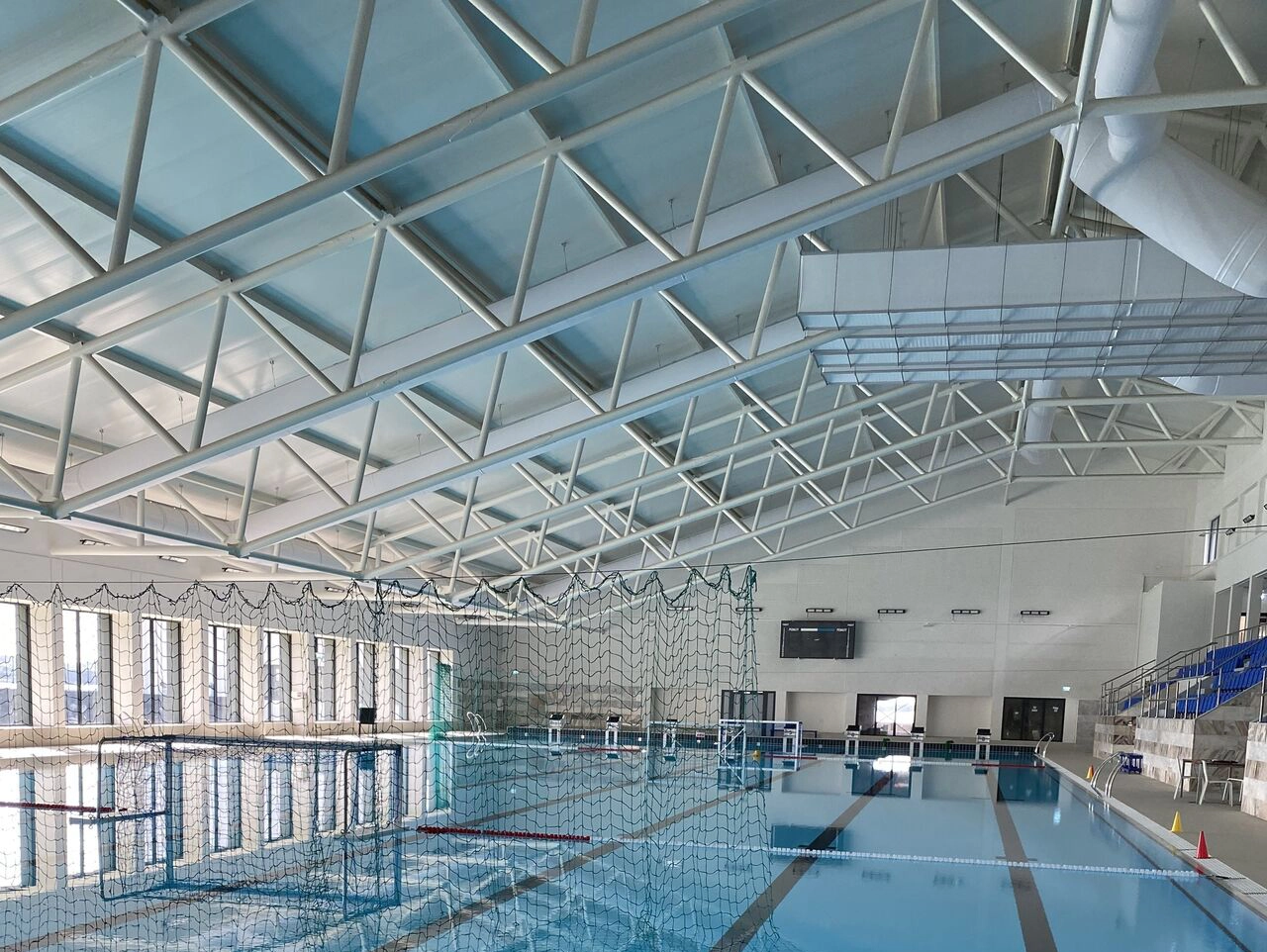
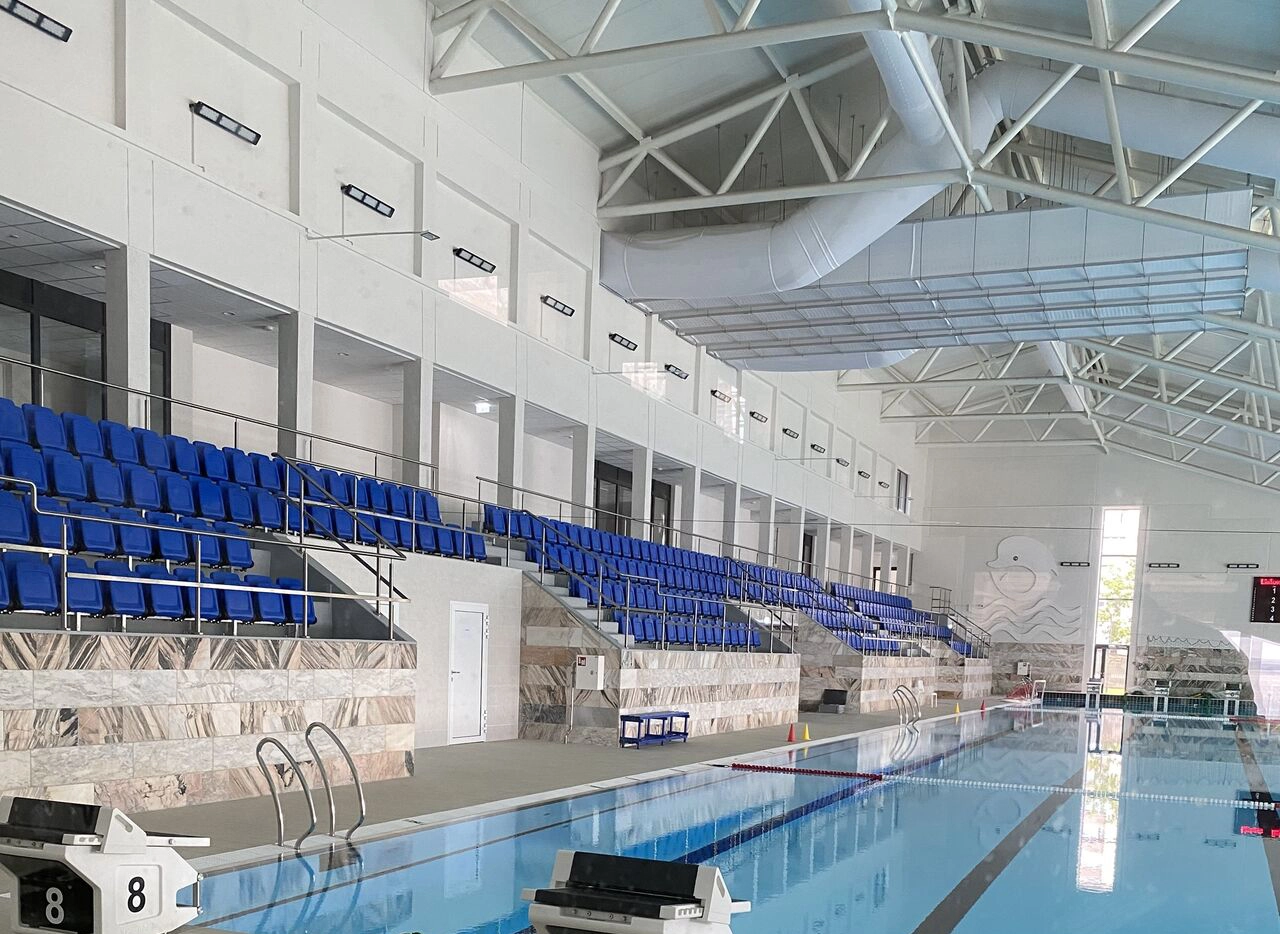
The installation was carried out in two stages: first, suspension systems were installed during the construction phase. Later, the fabric ducts were mounted. The project stood out due to its complex architectural and structural conditions. In large pool areas with high ceilings and specific load-bearing structures, lifting equipment could not be used, so installation was carried out using scaffolding, requiring careful planning and coordination.
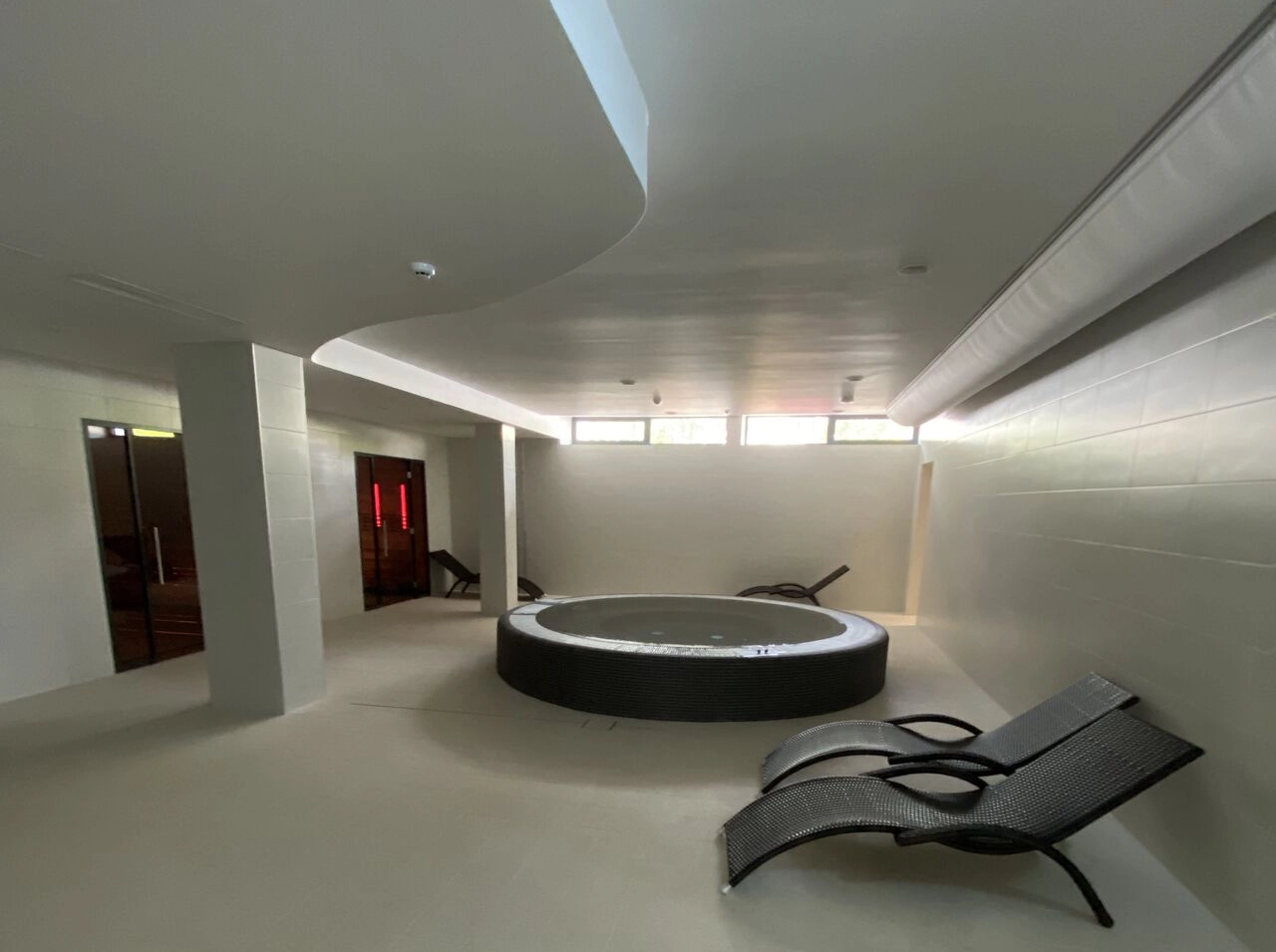
Additional complexity arose from integrating different duct types and sizes. The project included round ducts (Ø800 and Ø1250 mm), square ducts (1000×1000 mm), and semicircular ducts in the SPA area. Despite this diversity, the flexibility and lightweight nature of fabric ducts allowed seamless adaptation to structural constraints without adding load to the building.
“Through numerous swimming pool projects worldwide, we have gained valuable experience that enables us to adapt solutions even to the most complex environments. This expertise allows us to anticipate potential risks and deliver solutions that ensure both functionality and aesthetic integration. The result is a comfortable, healthy indoor climate and a long-lasting, reliable system,” says Justina Dumbliauskiene, Sales Manager at FabricAir.
An antimicrobial fabric was selected to prevent the growth of mold and bacteria – an essential feature in humid pool environments. Installation components were made of hot-dip galvanized steel and anodized aluminum to ensure resistance to aggressive conditions.
Technical properties: total airflow – 63,580 m³/h; approximately 286 meters of fabric ducts installed.
Swimming pool environments place highly specific demands on ventilation systems. The goal is not only to supply air but to maintain a stable indoor climate, prevent condensation, and ensure visitor comfort. Fabric air dispersion systems enable uniform air distribution, eliminate drafts, and efficiently control humidity.
Receive valuable content first
Enter your email and be among the first to get tips and articles from our experts about HVAC industry topics.


