


ClimaBarn
Fabric ducting systems for cows comfort
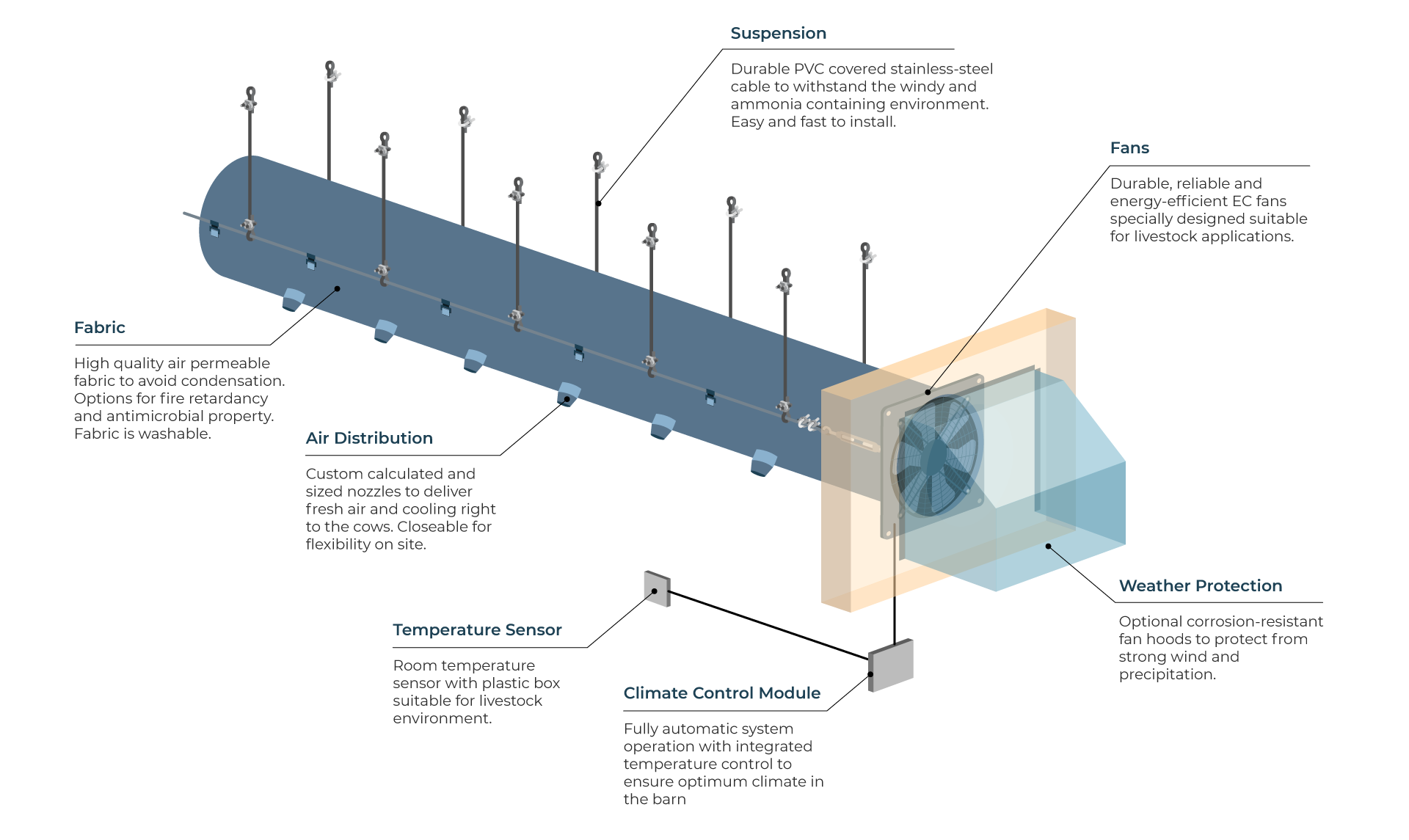
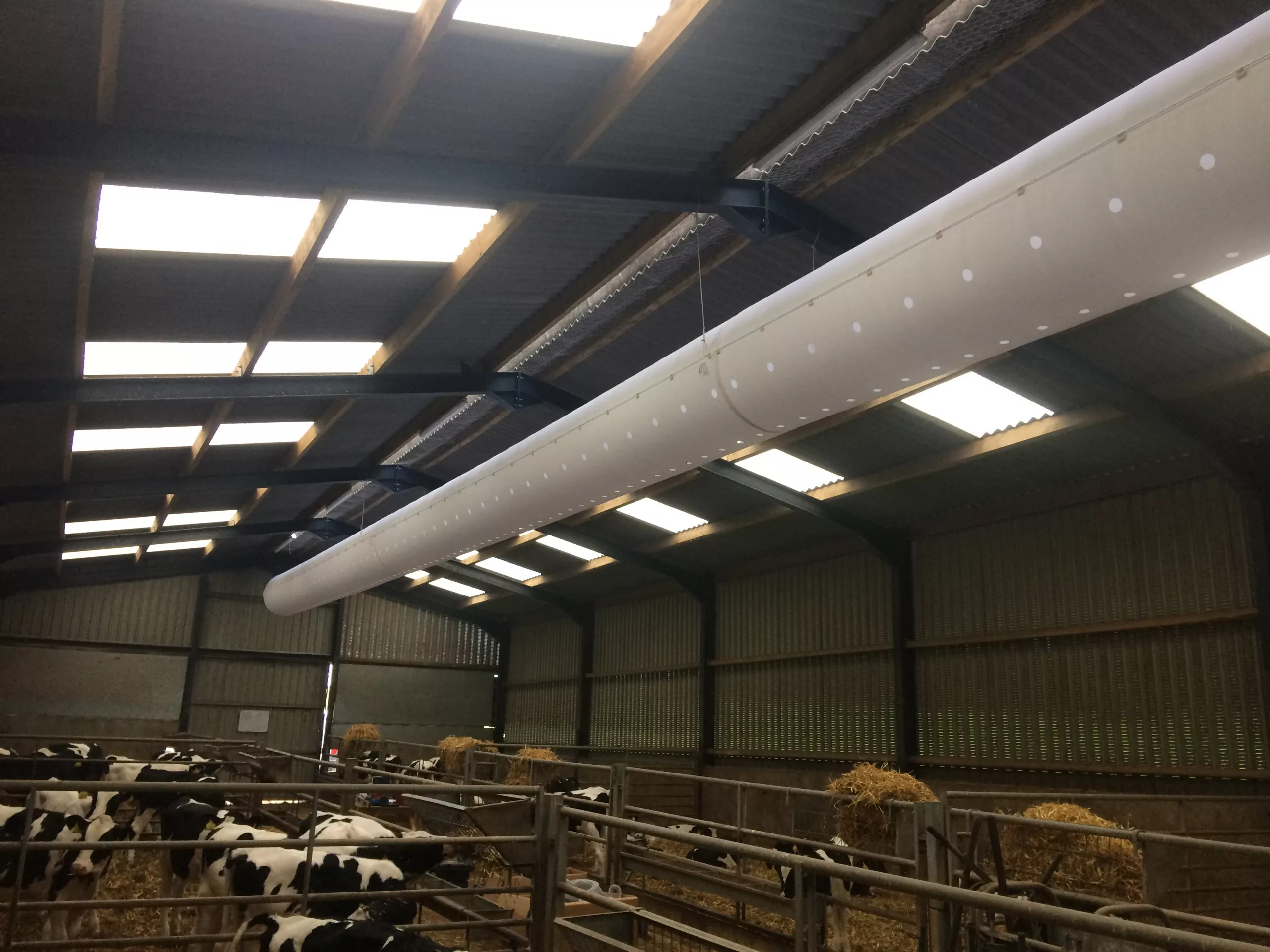
ClimaBarn is a custom-engineered ventilation solution designed to meet climate control demands of dairy cow barns. Each system is tailored to the specific layout of your barn, including milking parlors, feeding and laying areas. Using advanced air dispersion technology, the fabric ducts distribute fresh air consistently from end to end, eliminating hot spots, stagnant zones, and harmful drafts. This ensures an optimal barn environment – cool in summer, dry in winter, and well-ventilated year-round.
Features of ClimaBarn ventilation solution

Ensures consistent fresh air movement
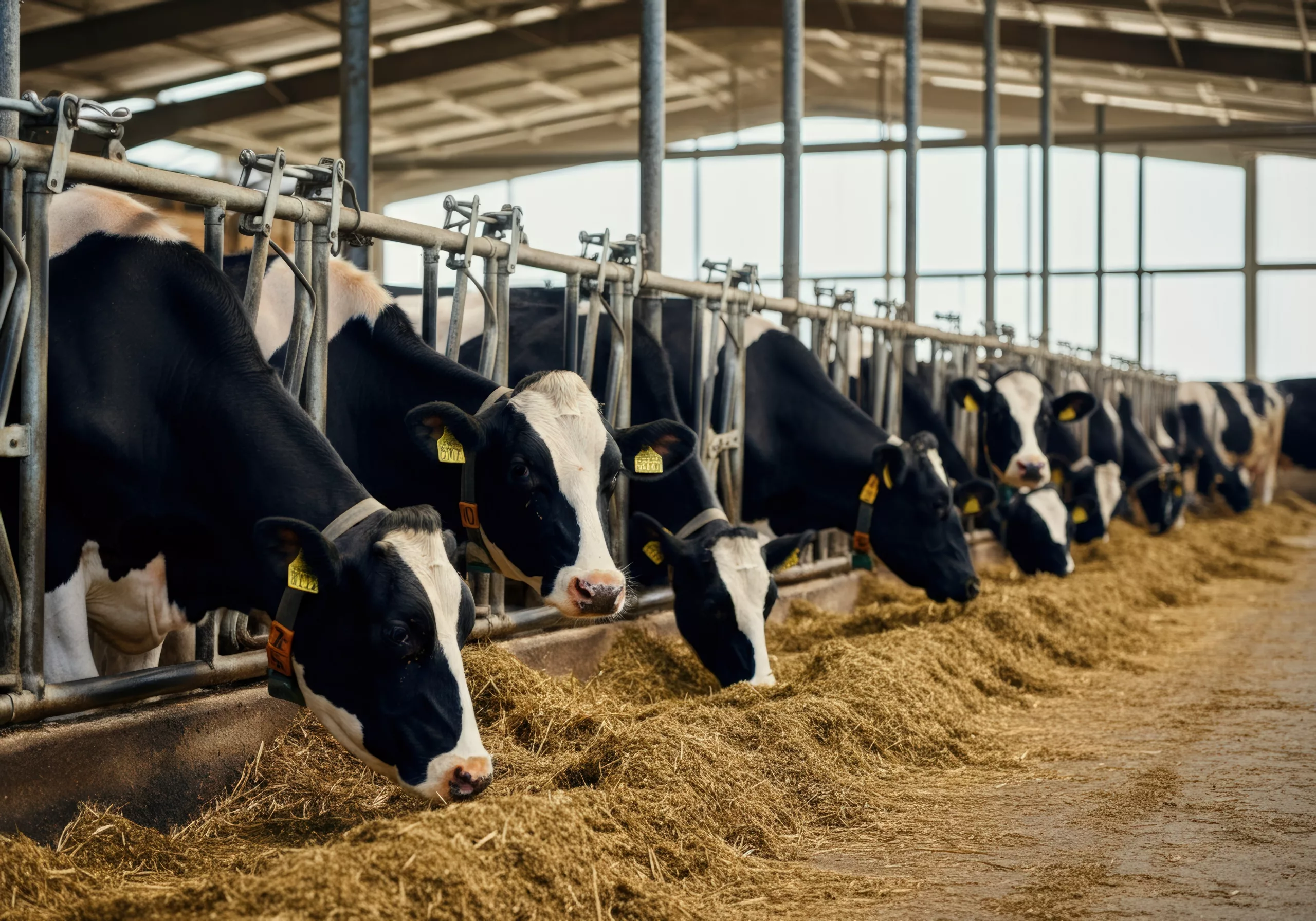
ClimaBarn ventilation system ensures a pleasant air flow for cows where they are supposed to be and eliminates hot spots, and stagnant zones. This prevents heat buildup, especially in large, enclosed, or poorly ventilated barns.
Lowers Temperature-Humidity Index (THI)
By reducing ambient temperature and moisture levels, ClimaBarn lowers the THI, a key index for measuring heat stress risk. A lower THI improves cow comfort and helps maintain normal behavior, feed intake, and milk yield.
Healthier animals
ClimaBarn effectively removes excess moisture, ammonia, and airborne pathogens, lowering the risk of respiratory illness. Cleaner air contributes to stronger immune systems and fewer veterinary interventions.
Prevents milk yield losses
By maintaining a comfortable temperature and dry bedding, even during periods of heat stress, ClimaBarn helps prevent milk yield losses. Comfortable cows eat more, rest more, and produce milk more consistently.
Complete Solution with Installation
ClimaBarn is delivered as a full-service package – from system design and in-house production to professional on-site installation. Our technicians ensure every component performs perfectly from day one.
Why proper ventilation is essential in dairy barns?
In dairy barns, where animals produce significant heat, moisture, and waste proper ventilation is especially vital. Good air exchange and distribution directly impact cow health, comfort, and milk production. Inadequate barn ventilation leads to heat stress, damp bedding, and high ammonia levels, which can cause respiratory problems and reduce milk production.
Read more
Discover how ClimaBarn’s advanced barn climate control systems optimize air quality, temperature, and humidity for all livestock areas — from dairy and poultry to swine and calf barns.
FAQ
How does ventilation system help cows rest more comfortably in the lying area?
ClimaBarn distributes fresh air evenly across all cubicles, preventing hot spots and stagnant pockets. Uniform airflow keeps the lying area cooler, reducing heat stress and encouraging cows to lie longer, which is directly linked to higher milk production.
What specific airflow is required in the reclining area?
The reclining area is where cows spend up to 12-14 hours per day resting and ruminating, so airflow must be steady and evenly distributed. The goal is to prevent heat stress that disturbs resting cows.
• Air exchange rates: About 4-6 air changes per hour in winter (to control humidity and ammonia without chilling) and up to 40-60 air changes per hour in summer to keep temperatures down.
• Air speed at cow level: Ideally 0.5-1.0 m/s in cooler months (barely perceptible movement) and up to 2.0-2.5 m/s in hot weather to provide a cooling wind-chill effect.
• Even distribution: Fabric ducts are especially effective in the lying area because they eliminate hot spots and stagnant zones, delivering directly the fresh air across all cubicles rather than just near fans or openings.
How does ventilation in the feeding area impact milk yield?
As a rule of thumb, every 1 kg drop in dry matter intake can reduce milk yield by up to 2 liters. By keeping cows cool and comfortable at the feed bunk, ClimaBarn helps prevent intake drops during heat stress supporting steady milk production.
How does poor ventilation affect feed intake?
In hot, stagnant conditions, cows reduce their feed intake, which directly lowers milk yield. Poor airflow can also allow heat and moisture to build up around the feed bunk, making cows less willing to eat and increasing the risk of digestive problems.
What specific airflow is required in the milking parlor area?
The milking parlor is a high-traffic zone where both cows and people are present, so it requires higher air exchange rates than the lying or feeding areas. Cows require 2.5 – 3.0 m/s air speed to prevent heat stress in summer whereas staff will enjoy up to 0.5 m/s gentle and uniform flow for their comfort.
How can ClimaBarn improve cow comfort in the milking parlor?
High temperatures in parlors can increase cow stress and movement, slowing milking and affecting hygiene. ClimaBarn provides uniform cooling along the entire holding area and milking stalls, keeping cows calmer and improving throughput.
What makes fabric ventilation better for managing heat stress than metal ducts or fans?
ClimaBarn can be precisely engineered for each zone, delivering air exactly where it’s needed. It also prevents condensation, is corrosion-resistant, and maintains even temperatures across the specific barn areas – all of which reduce the risk of heat stress.
Why is good ventilation especially important in calf barns?
Calves are highly sensitive to poor air quality. Without steady fresh air, they are at greater risk of pneumonia and digestive issues. Proper ventilation reduces disease pressure, lowers vet costs, and supports healthy growth.
How does ClimaBarn prevent drafts on young calves?
Air dispersion is engineered to deliver airflow gently and evenly. Instead of strong jets or cold spots, calves experience a stable climate that keeps them healthy without the stress of chilling drafts.
Featured
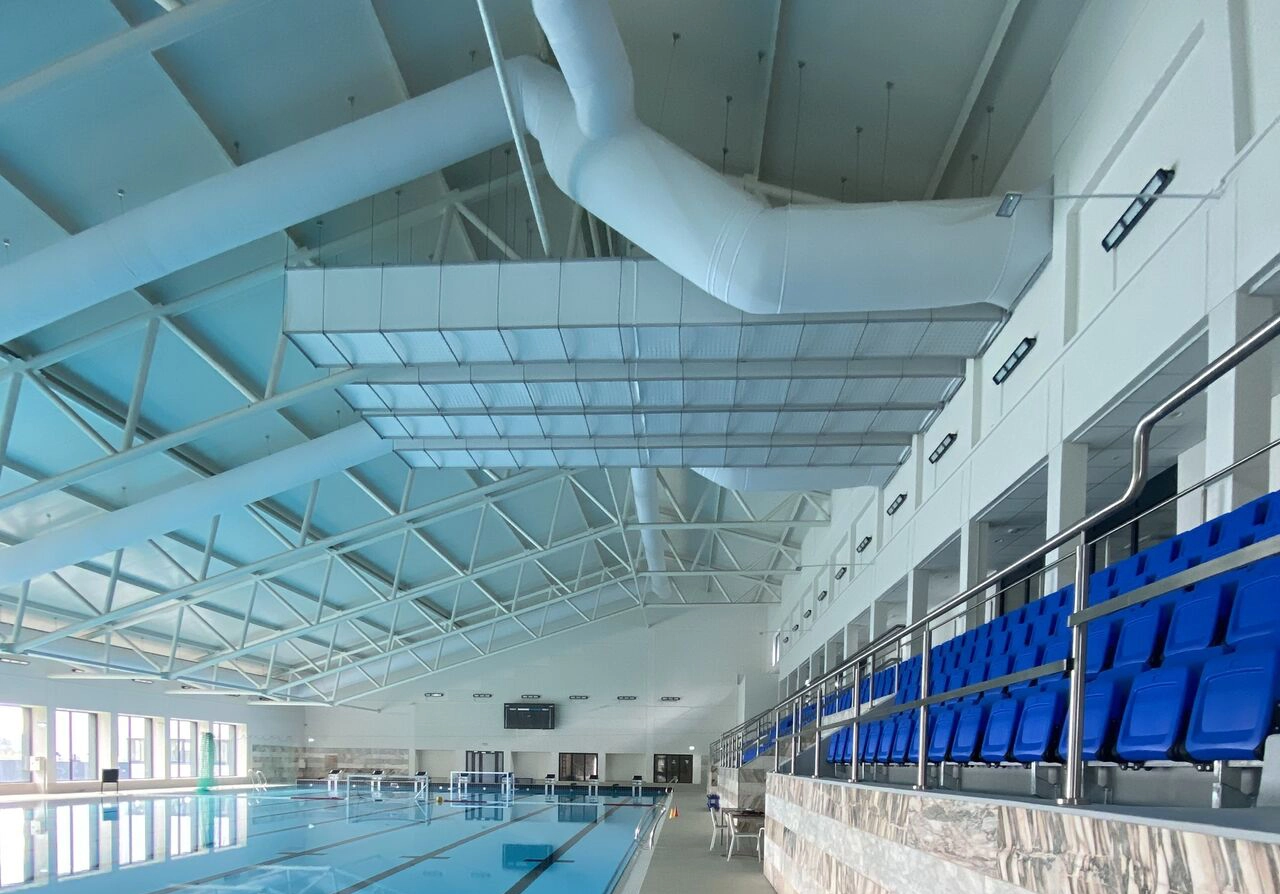
How do you maintain comfort in a humid pool environment? See how fabric ducts solved airflow and condensation challenges in ...

FabricAir introduces Combi Eco, a more sustainable version of its trusted Combi fabric, produced using advanced dope dyed yarn technology.
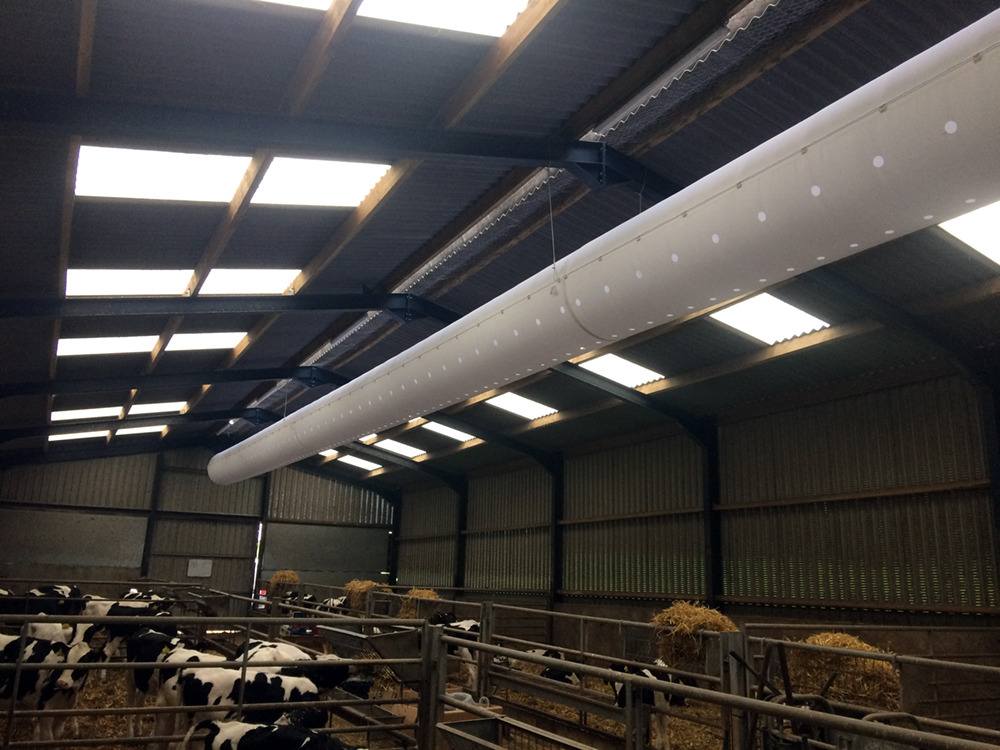
FabricAir is pleased to announce the launch of ClimaBarn, a new ventilation system designed specifically for dairy barns.
FabricAir experts will showcase fabric duct solutions at the 2025 ISK-SODEX Exhibition in Istanbul.
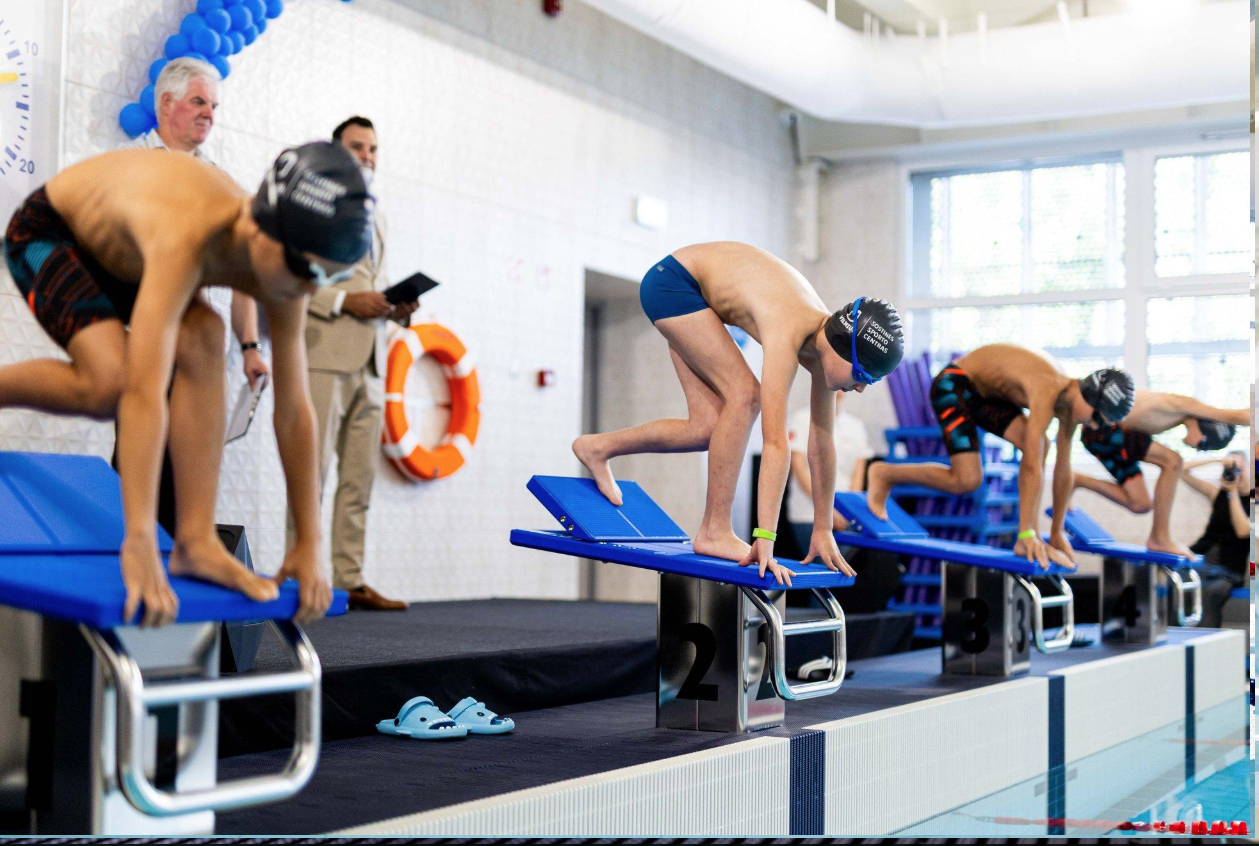
The renovated Zirmunai Pool in Vilnius features a custom FabricAir fabric duct system designed for corrosion resistance, energy efficiency, and ...

FabricAir, a provider of innovative HVAC solutions will be exhibiting at the AHR Mexico Expo in Monterrey, booth number 1035.
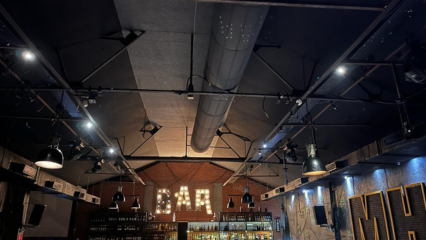
A new resto-bar in Thane, India, installed a custom fabric ducting system to deliver even airflow, thermal comfort, and visual ...

FabricAir’s ESG goals support HVAC engineers and contractors in meeting modern sustainability demands—from verified documentation to climate-neutral operations.
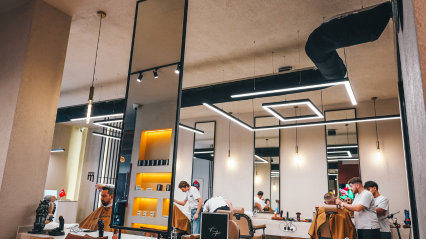
FabricAir helped a high-end salon in Turkey improve comfort, aesthetics, and efficiency with a custom-designed fabric air dispersion system.
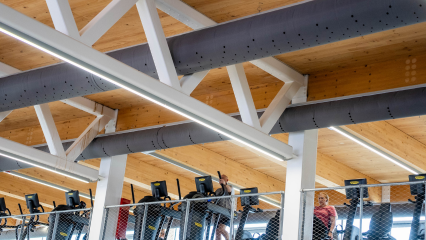
Sportrade Cuatro Caminos sports center selected a custom fabric air dispersion system to solve the challenge of delivering consistent, energy-efficient ...
How do you maintain comfort in a humid pool environment? See how fabric ducts solved airflow and condensation challenges in ...
FabricAir introduces Combi Eco, a more sustainable version of its trusted Combi fabric, produced using advanced dope dyed yarn technology.


