



Sustainability
Driving Circularity and Innovation
At FabricAir, sustainability is not just a goal—it is our responsibility. As a global leader in HVAC solutions, we are committed to reducing our environmental impact, advancing circularity, and driving industry transformation through sustainable innovation.

Climate Neutral (Scope 1 & 2) by 2027
60% Water Reduction by 2027
90% Recycled Input Materials by 2027
ESG Reporting in Compliance with CSRD
Net-zero (Scope 3) by 2030
Fully Circular Fiber-to-Fiber Model by 2030

A Clear Vision for a Greener Tomorrow
“In our journey towards sustainability, FabricAir recognizes that our impact on the planet and its people is just as significant as our financial success. Through our ESG governance framework and collaboration across our value chain, we’re committed to minimizing our impacts and shaping a greener future for all.”
Brian Refsgaard, CEO & Owner
Our ESG Goals
We have set ambitious sustainability goals that will shape the way we operate, manufacture, and innovate.

Environment
We are committed to reducing our environmental footprint through climate action, circular economy initiatives, and resource efficiency. Our key goals include achieving climate neutrality in Scope 1 & 2 by 2027 and net-zero emissions across our full value chain by 2030.
We are transitioning to 90% recycled input materials, reducing water consumption by 60%, and implementing fiber-to-fiber recycling to create a fully circular business model. These efforts align with global sustainability standards and drive innovation in cleantech solutions.

Social
People are at the heart of our sustainability journey. FabricAir is dedicated to ensuring fair labor practices, diversity, and community engagement across all operations.
We uphold international human rights and labor standards, actively promote employee education on sustainability, and strengthen supplier accountability through our Code of Conduct. By fostering a culture of inclusion and shared responsibility, we are building a sustainable future that benefits both people and the planet.

Governance
Strong governance is the foundation of our ESG strategy. We operate with integrity, ensuring compliance with the EU Corporate Sustainability Reporting Directive (CSRD) and adhering to best practices in anti-corruption, responsible business conduct, and ESG reporting.
Our governance framework integrates sustainability into decision-making, drives transparency across our supply chain, and reinforces our commitment to ethical leadership in the cleantech industry.
Code of conduct
EPD (Environmental Product Declaration)
Additional Resources
Additional Resources
Transparency and accountability are at the core of FabricAir’s sustainability journey so we provide key resources that outline our commitments, progress, and impact. Explore the documents to learn more about our ethical business practices, ESG performance, and product sustainability.
Explore More
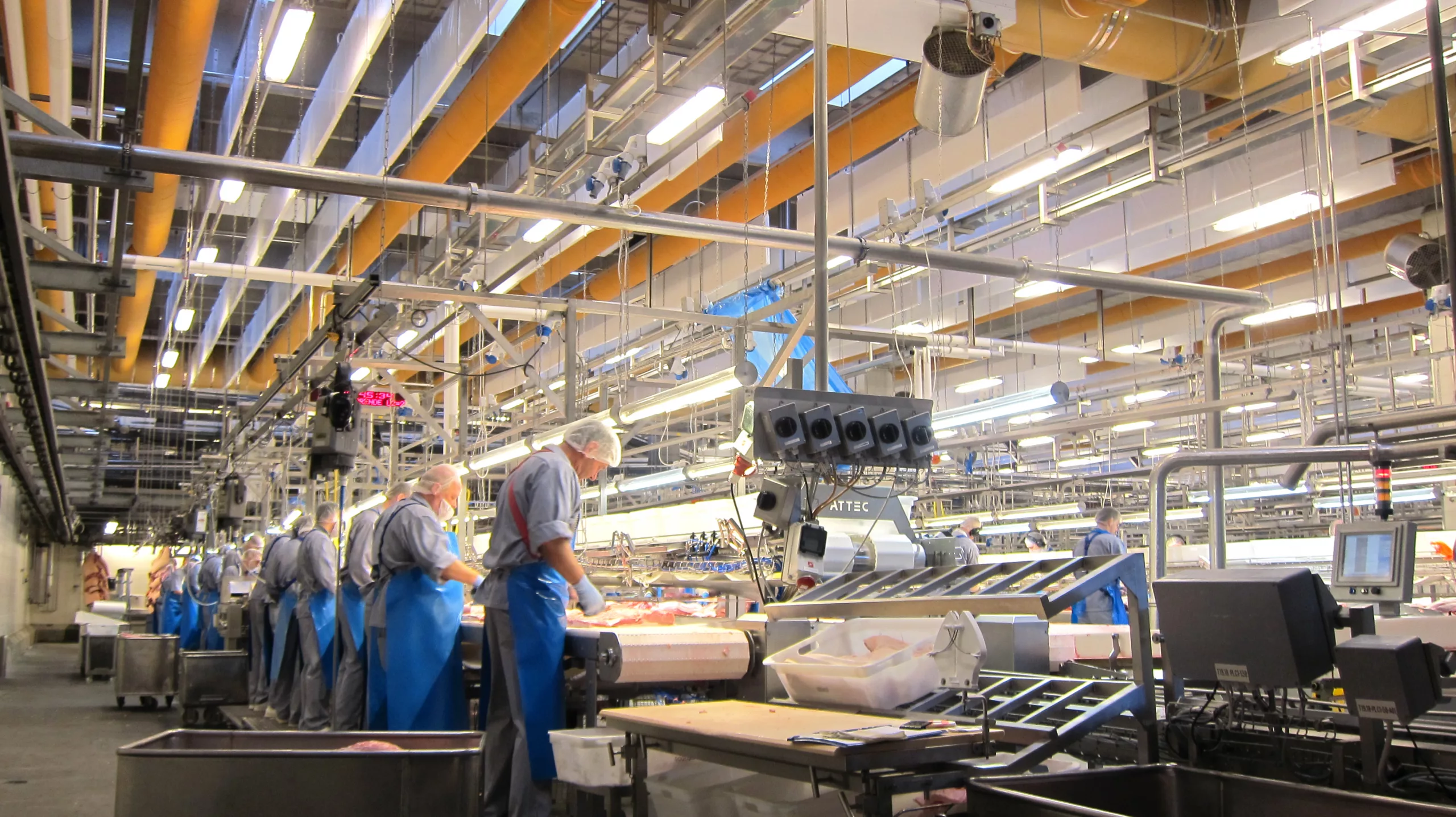
Case Study: Sustainable Solutions for Challenging Environments
FabricAir ducts are a sustainable solution for this food processing facility. The ducts were originally hung in 1973 and continue to ensure efficient cooling and comfortable indoor climate at the facility in Denmark.
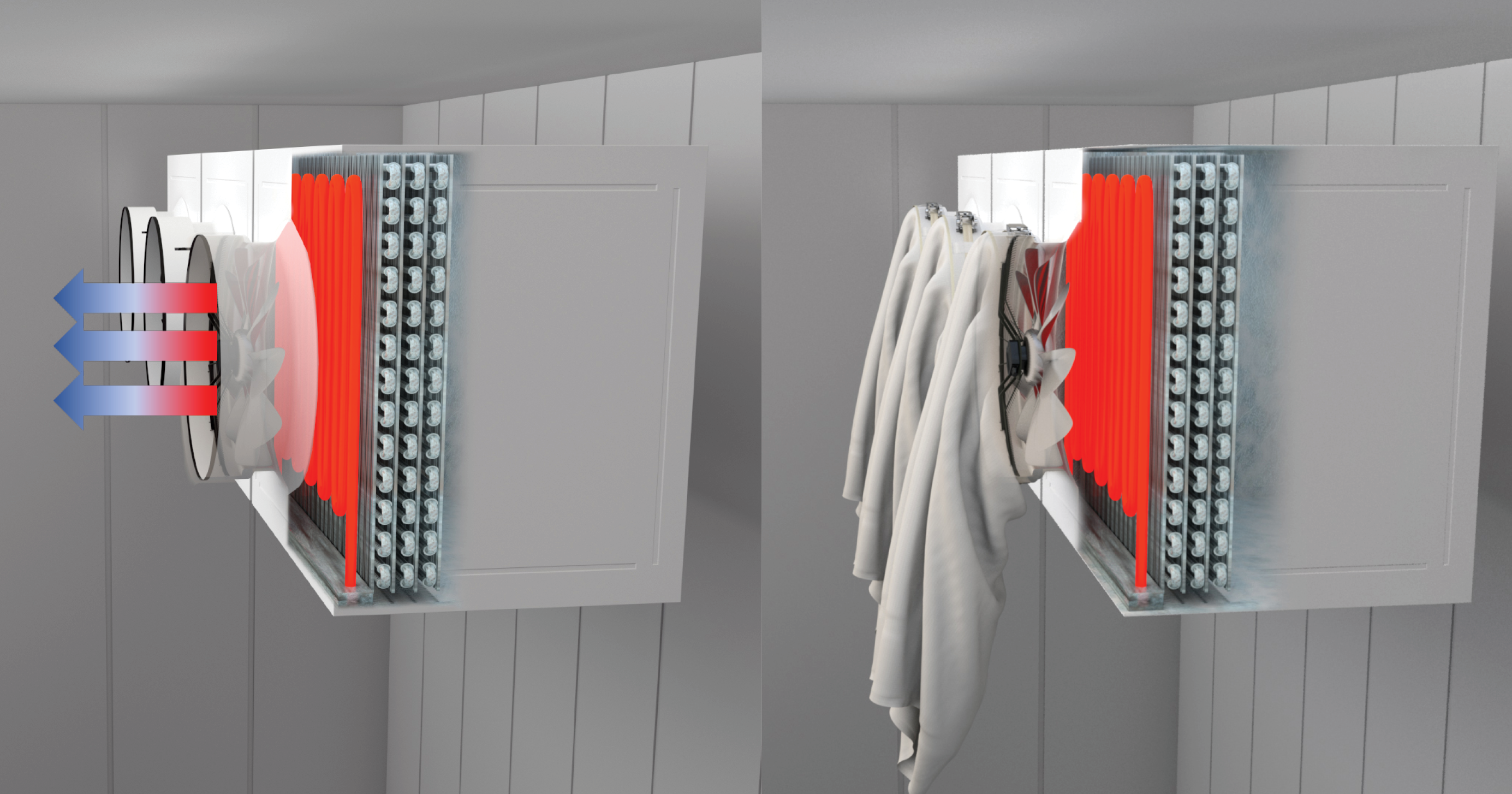
Blog: Maximizing Energy Efficiency in Cold Storage
Electric defrost can account for up to 21% of energy usage in a cold storage facility — find out how Defrost Duct reduces energy consumption in this blog post.

Ensuring Consistent Energy Production for Wind Farms
The cyclical BorealisWind “system as a service” model avoids system maintenance burdens and supports wind farm ESG objectives. We take complete responsibility for the system performance.


