How Poor Indoor Air Quality Affects Students
How much does the air inside a classroom influence a student's ability to learn?
More than many people realise. Across Europe, research shows that the majority of classrooms do not receive enough fresh air, creating indoor environments that can affect concentration, wellbeing and even academic performance.
In this article, we explore the latest scientific findings, examine why natural ventilation often falls short, and explain how modern ventilation solutions can help create healthier learning environments for both students and teachers.
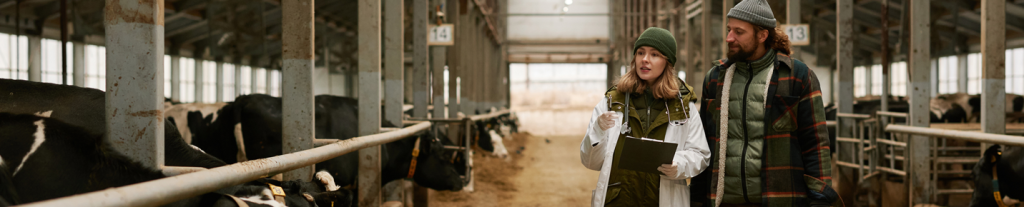
How modern ventilation solves heat stress in dairy barns
Discover how modern barn ventilation prevents year-round heat stress, improves cow comfort, and boosts dairy productivity.
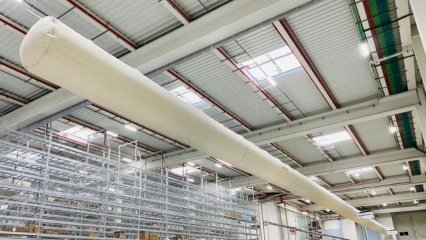
Why Global Industry Leaders Choose Fabric Air Dispersion Systems
Fabric air dispersion systems are increasingly chosen by leading global brands – find out why!
Rethinking Air Distribution
Discover how fabric ducts is transforming air distribution systems, offering lighter, more efficient, and aesthetical alternatives to metal ducts.
Sustainable HVAC Through Fabric Ducting: Balancing ESG Goals and Performance
Fabric ducting systems are more than lightweight alternatives to metal—they offer a path to energy efficiency, improved IAQ, and verifiable ESG progress. Textile-based air dispersion supports green building goals and provides metrics for sustainability reporting.
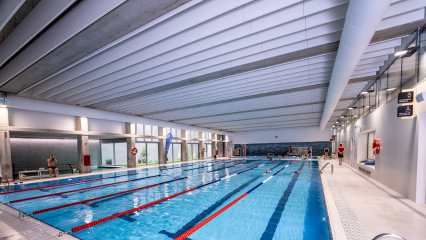
Why Fabric Ducts Outperform Metal in Harsh Environments
Metal ductwork often corrodes in humid, chemical-heavy spaces like pools and food processing facilities. Fabric ducts offer a durable, corrosion-resistant alternative that improves air quality, reduces maintenance, and performs under pressure.