3 reasons why architects choose fabric-based air distribution
When designing the overall architecture of buildings, it is impossible not to think about air diffusion systems. They are simply unavoidable in architectural work and many architects simply turn a blind eye to horrible-looking ceiling elements.
Care-free air distribution: 4 reasons to choose fabric
Perfect air dispersion is draft-free and increases comfort. It has positive effects not just on people, but also on the durability of buildings and equipment by eliminating condensation and preventing dampness and mold growth.
Solving natatorium air dispersion and condensation challenges
Indoor pools are challenging environments for design engineers, especially when considering indoor air quality and the longevity of exposed metal components. A natatorium’s corrosion-potential environment of high humidity, gaseous pool chemicals, and condensation is a recipe for disaster for metal heating, ventilation, and air conditioning ductwork.
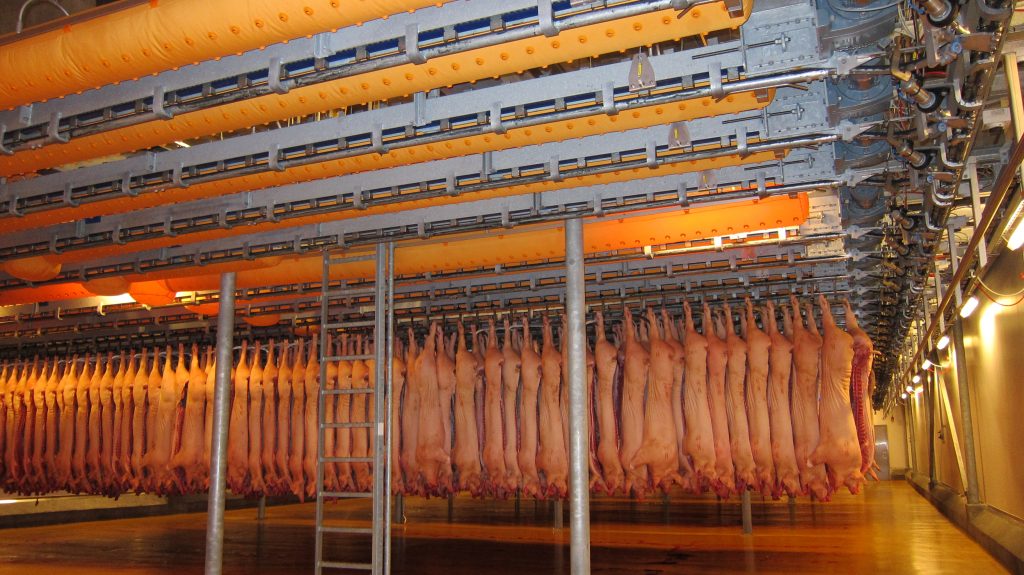
3 ways IAQ supports quality meats
Food processing industry experts know there are many factors in play in order to deliver the best quality meats for their clients. While efficient air distribution in food production facilities is a key to optimizing conditions and ensuring product safety, it also improves worker comfort.
Effective environmental controls key in managing grow house VPD, transpiration
Temperature. Relative Humidity. Airflow. While these are indisputably the core variables in the HVAC industry, managing them through effective environmental controls takes on a heightened role in the booming U.S. cannabis indoor grow market.
Fabric vs metal ducting – 4 key differences for HVAC systems
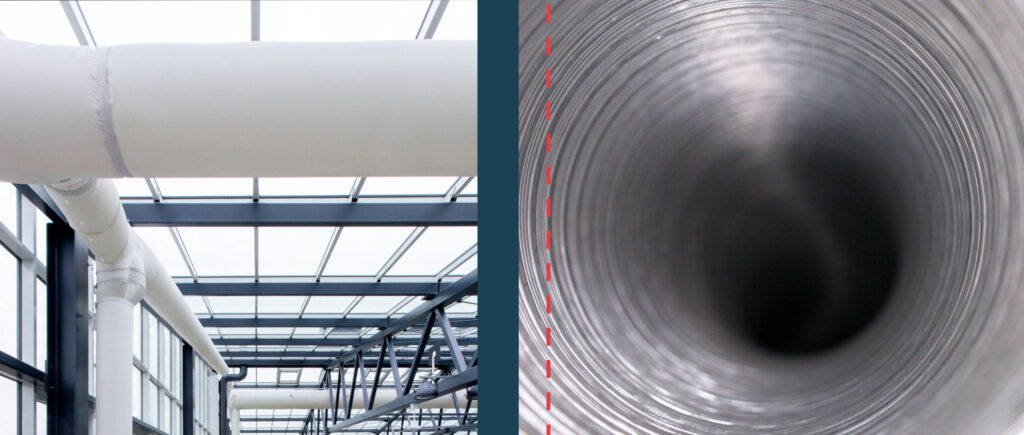
When undertaking a new construction or renovation project, the air diffusion system is near the top of the list of considerations to ensure high indoor air quality (IAQ). For decades, the construction industry overwhelmingly looked to traditional metal-based ducting HVAC solutions.